 Shopify
 AWS Architecture
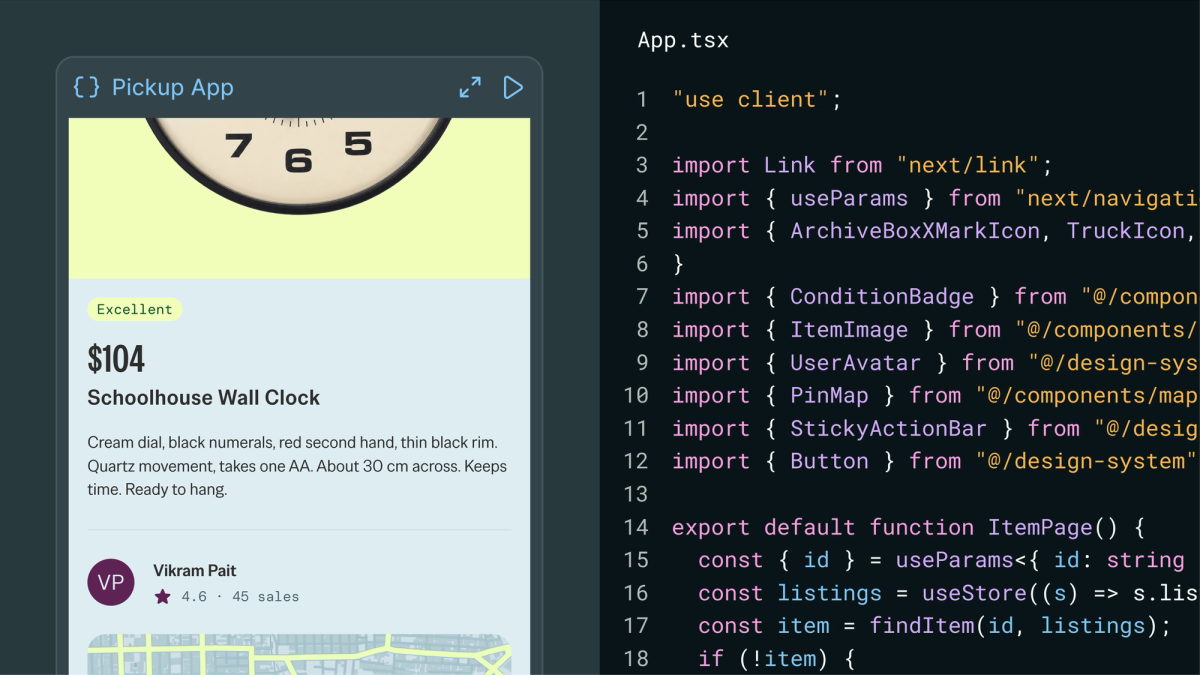
Figma released code layers in open beta, letting teams embed code on the canvas to experiment, align stakeholders, and accelerate development.
Company blogs
Engineering and data science write-ups straight from the teams at 30 companies. Each one summarised in a line or two and sorted by subject. New posts are added every morning.
Reading the blogs of
Loading posts…
Figma released code layers in open beta, letting teams embed code on the canvas to experiment, align stakeholders, and accelerate development.
Databricks introduced Spark Declarative Pipelines so AI agents can author over 70% of production data pipelines, simplifying pipeline creation.

Databricks deployed a real‑time energy trading and analytics solution on its platform, addressing needs beyond raw speed for trading desks.

Google Research applied foundational generative AI models to frontline tuberculosis screening, improving diagnostic workflows.

Netflix built Quasar, a tool that links proposed Java API changes to actual references in consumer repositories, enabling measurement of a library change’s blast radius.

Figma explained how to integrate a design system with the Figma agent so the agent can use product principles and guidelines effectively.

Netflix created single‑tenant Titus, adding VM‑level isolation to its multi‑tenant Kubernetes‑based container platform for stronger tenant separation.

Databricks outlined a new economics framework for AI cost management, helping enterprises control and predict AI spending.

Databricks built a Fraud Analyst AI coworker that detects telecom fraud in real time on a single platform, improving detection speed and coverage.

Microsoft Research created Flint-interactive, a language that lets AI agents build and manipulate interactive data visualizations through clicks, filters, and highlights.

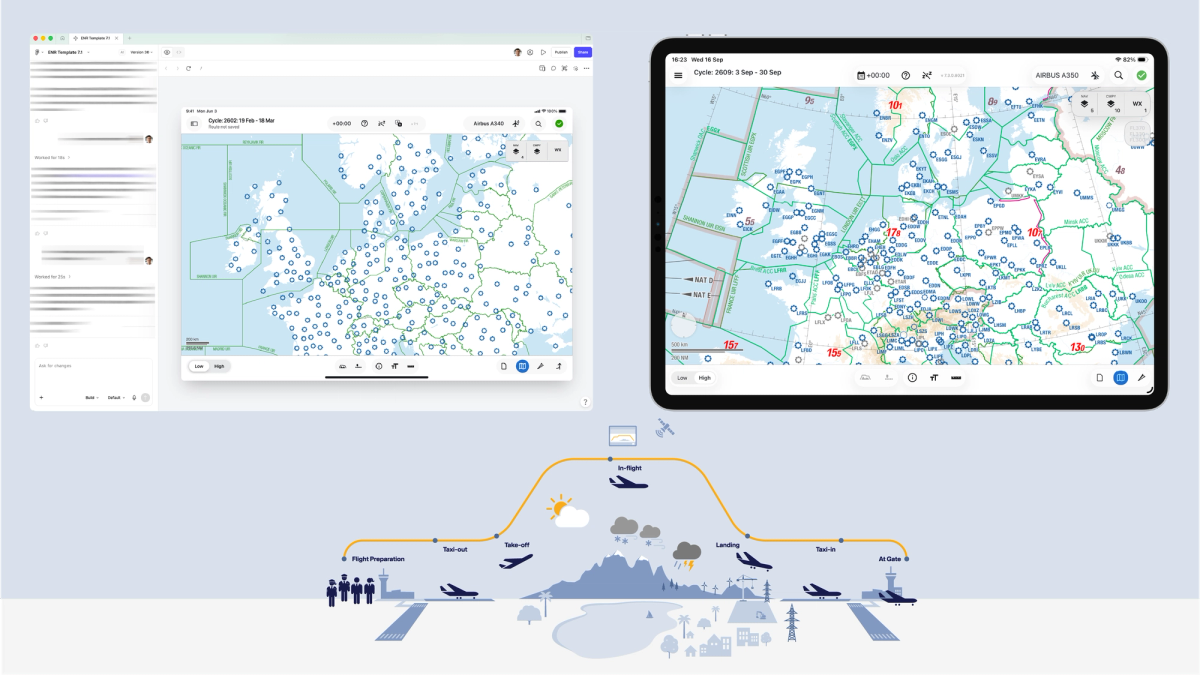
Figma enabled Lufthansa Systems to prototype realistic cockpit maps using Figma Make, allowing dynamic user‑testing of navigation interfaces.
Shopify built Remote Dev so AI agents can develop and test mobile applications in parallel without overloading developers’ laptops.

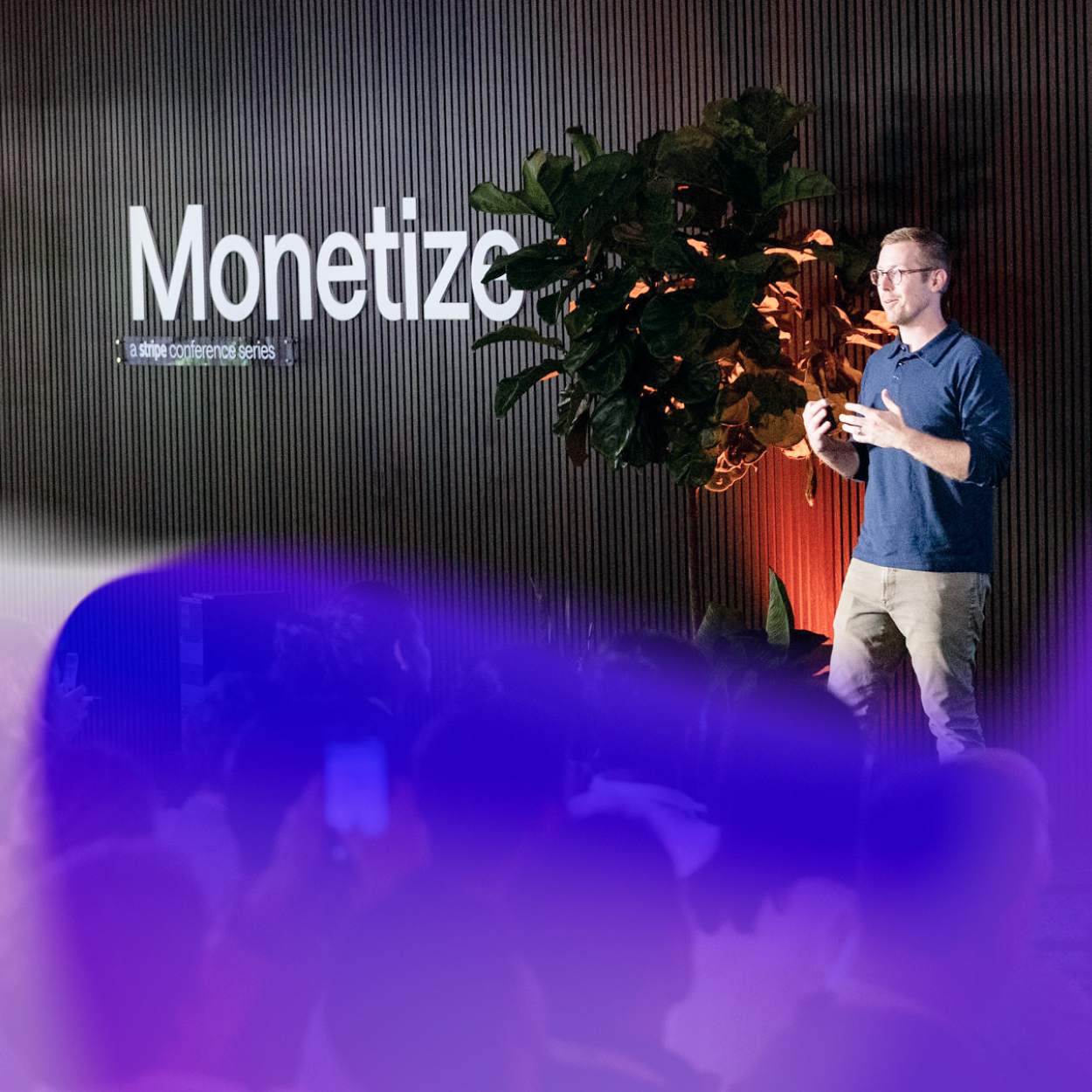
Stripe highlighted three Money20/20 2026 trends—stablecoins, AI agents, and always‑on money—that are making financial services operate behind the scenes.
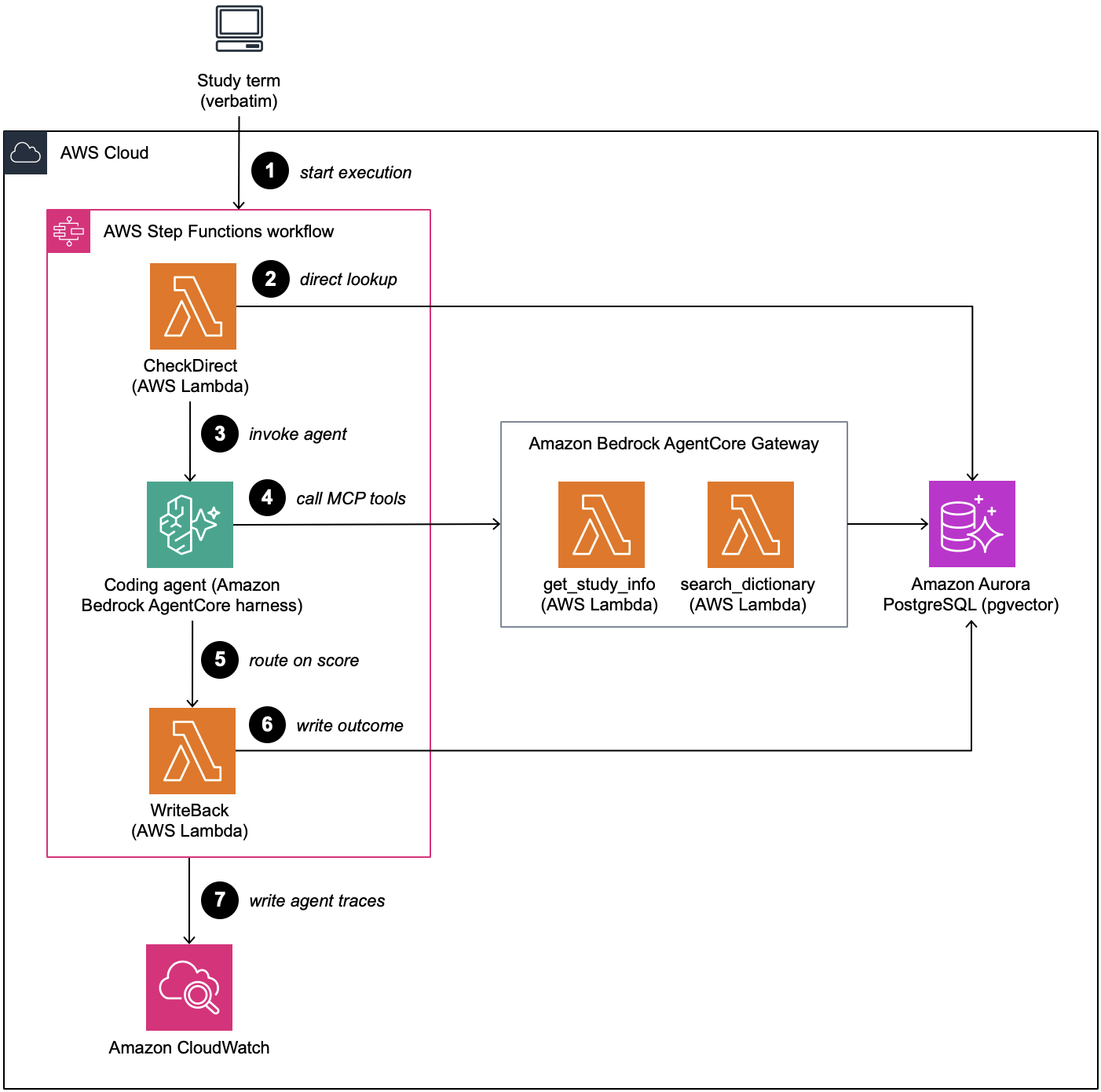
AWS Architecture combined Step Functions with Amazon Bedrock AgentCore to orchestrate a medical coding workflow that uses deterministic steps first and invokes an AI agent only for judgment‑heavy terms, keeping routing auditable.
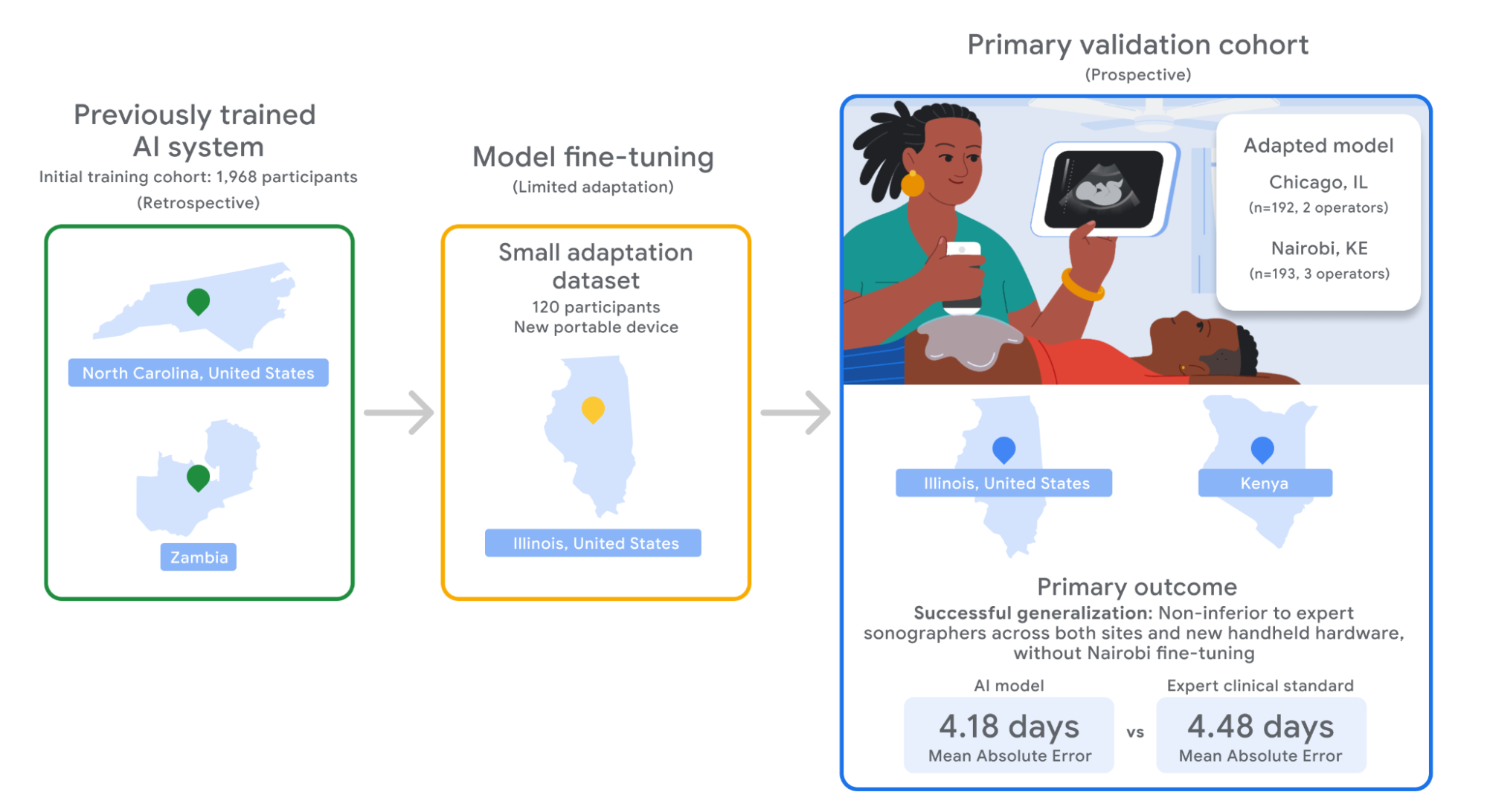
Google Research title "Empowering frontline maternal care with AI‑assisted ultrasound" suggests AI tools are being used to support ultrasound diagnostics in maternal health.
GitHub moved a copy of 99.99999% of its repositories to Azure, using per‑reference quorums and object storage to let reads scale independently and plan to bring over the rest.

Microsoft Research resolved the 31‑year‑old KLS conjecture, removing a major theoretical obstacle to understanding the efficiency of randomized algorithms used across science and computing.

Databricks announced AI Runtime with NVIDIA GPUs to simplify customizing open models using enterprise data.
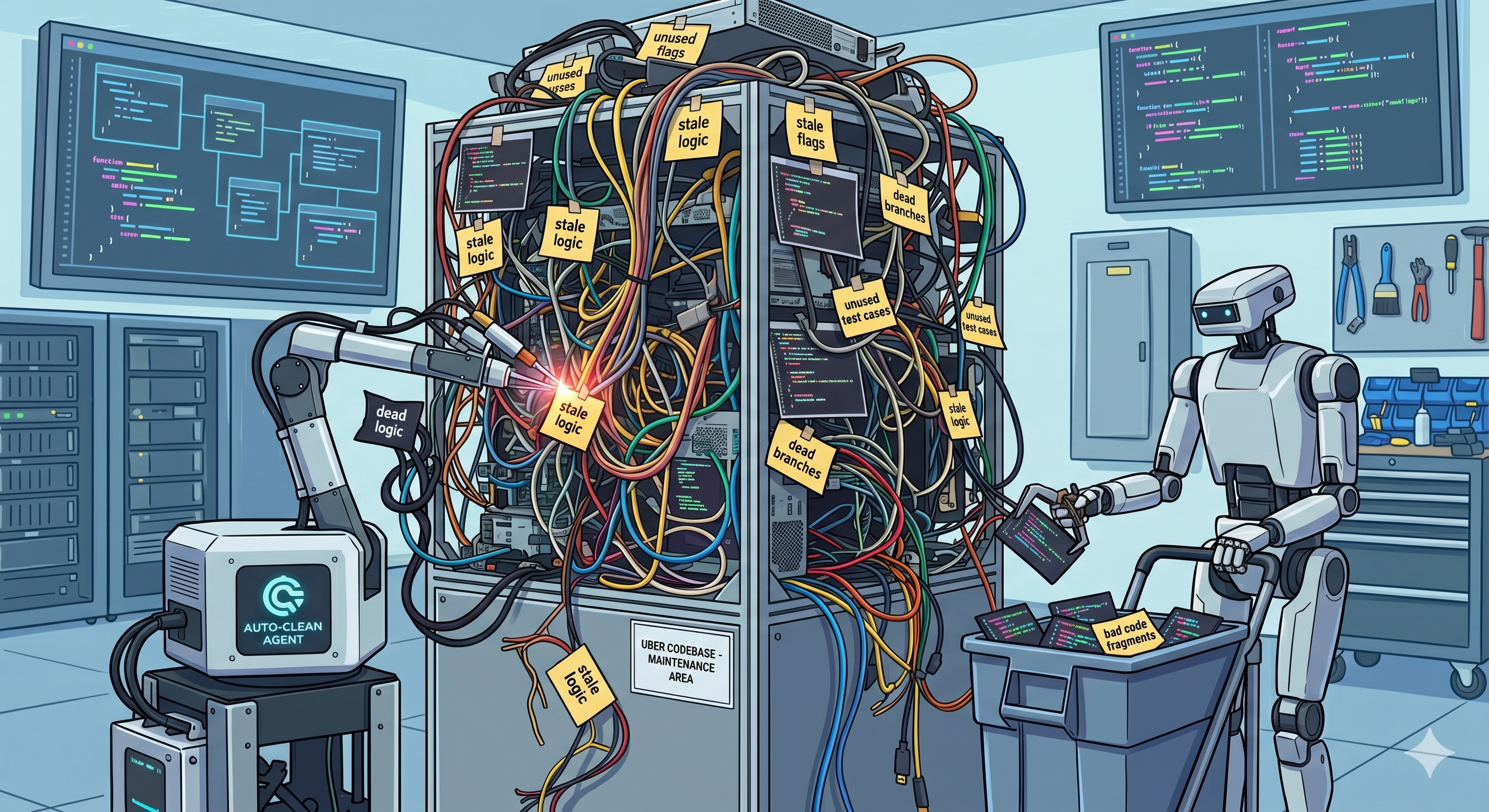
Uber built AutoClean, an agent‑based system that safely deletes stale feature flags at scale by combining deterministic rewrites with strong validation to reduce tech debt.
Databricks enabled deployment of RFD4‑Proteina on its platform, offering AI‑assisted development and serverless NVIDIA GPU compute for research data.

Shopify uses Sidekick’s frontier model to route heavy token work to post‑trained open models it serves, leveraging NVIDIA hardware to build faster, cheaper task experts.

Grab improves Android app stability for its super‑app by implementing a layered defense that addresses increased change volume from AI coding assistants across millions of code lines.

Databricks built MemCurrent, a persistent memory system for production AI agents, enabling state retention across runs.

Databricks introduced agent memory on Agent Bricks, allowing developers to store and retrieve state for AI agents.

Microsoft Research highlights Chris White’s work on wartime data analysis and tools for combating human trafficking, showing real‑world impact.

Shopify built a cross‑store product clustering system that groups listings across millions of stores using tiered matching models, graph partitioning, and learned merge decisions.

Razorpay improved deployment reliability by investing in the deployment process, adding safeguards across hundreds of services to prevent incidents.

Shopify rebuilt its exposure scanner with cloud inventory and probing, delivering accurate detection of running configurations missed by the original file‑based scanner.

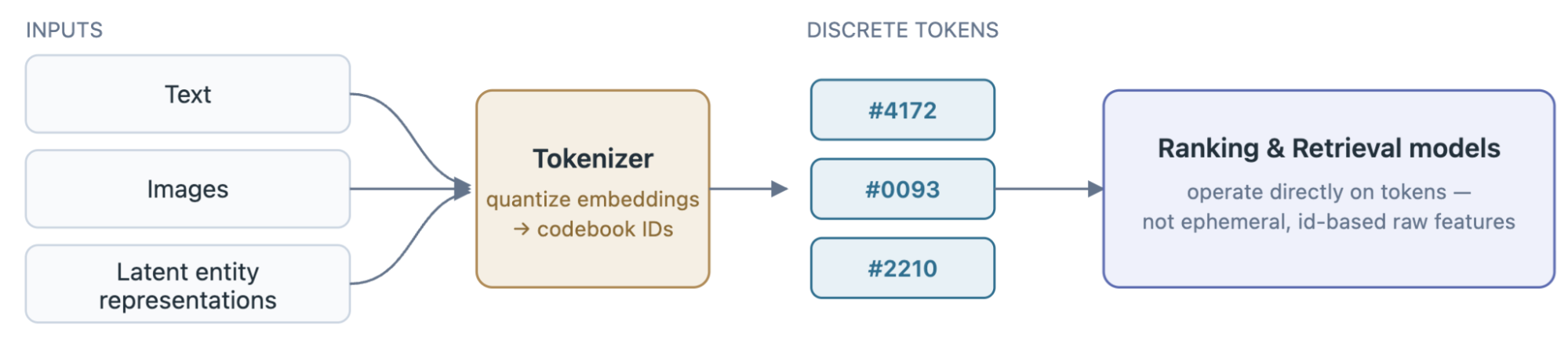
Meta created GenRecs Tokenization, a stable model vocabulary that encodes ads and user preferences, enabling generative recommender models to reason about content and improve ad matching.
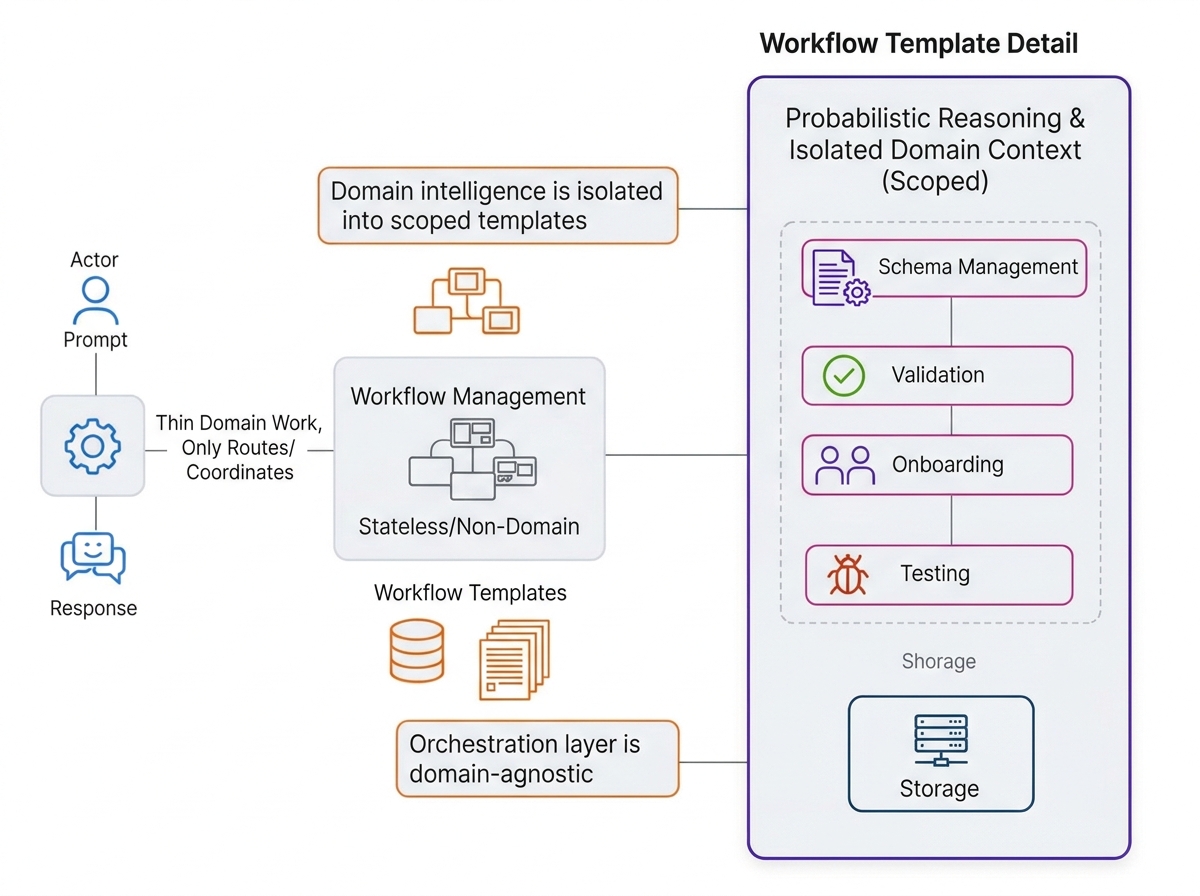
Meta built a thinner orchestration layer for its AI agents that only routes work and enforces reliability checks, letting specialized agents handle domain reasoning, which improved efficiency and accuracy.
Pinterest introduced ModuleLens, a tool that visualizes PyTorch modules to help engineers test and debug large distributed recommendation models.

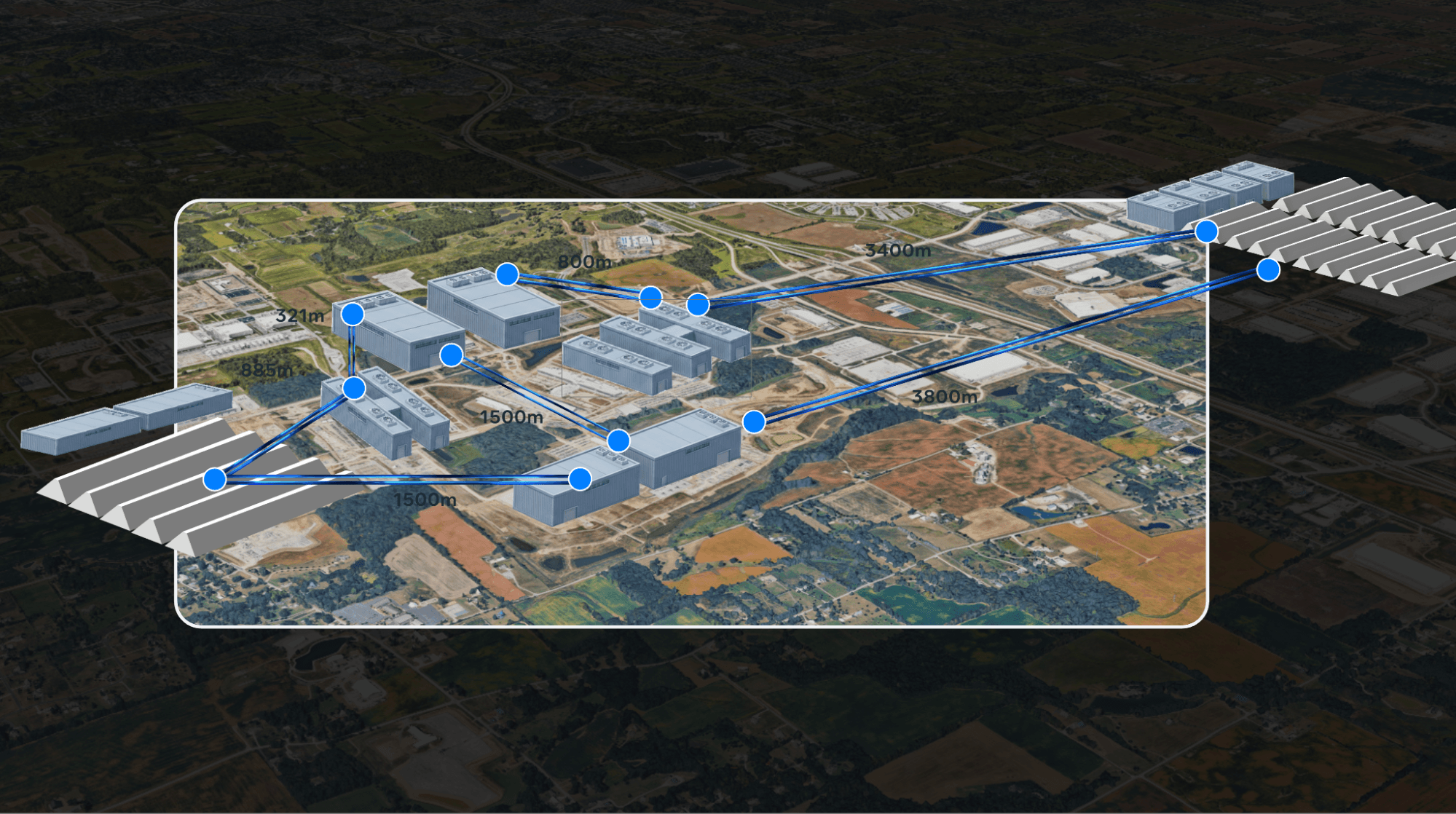
Meta built the Prometheus gigawatt‑scale supercluster, targeting around one million GPUs and employing closed‑loop liquid cooling to support its Muse foundational models.
Hotstar trimmed Kafka telemetry events from 7.5 KB to about 1.1 KB per consumer, eliminating waste and saving roughly $350 K annually.

Netflix built an ontology‑driven observability system that generates an end‑to‑end knowledge graph, providing real‑time insight into billions of requests and logging events at Netflix scale.

Spotify partnered with NVIDIA to run generative recommendation inference using TensorRT LLM, boosting performance for personalized content delivery.
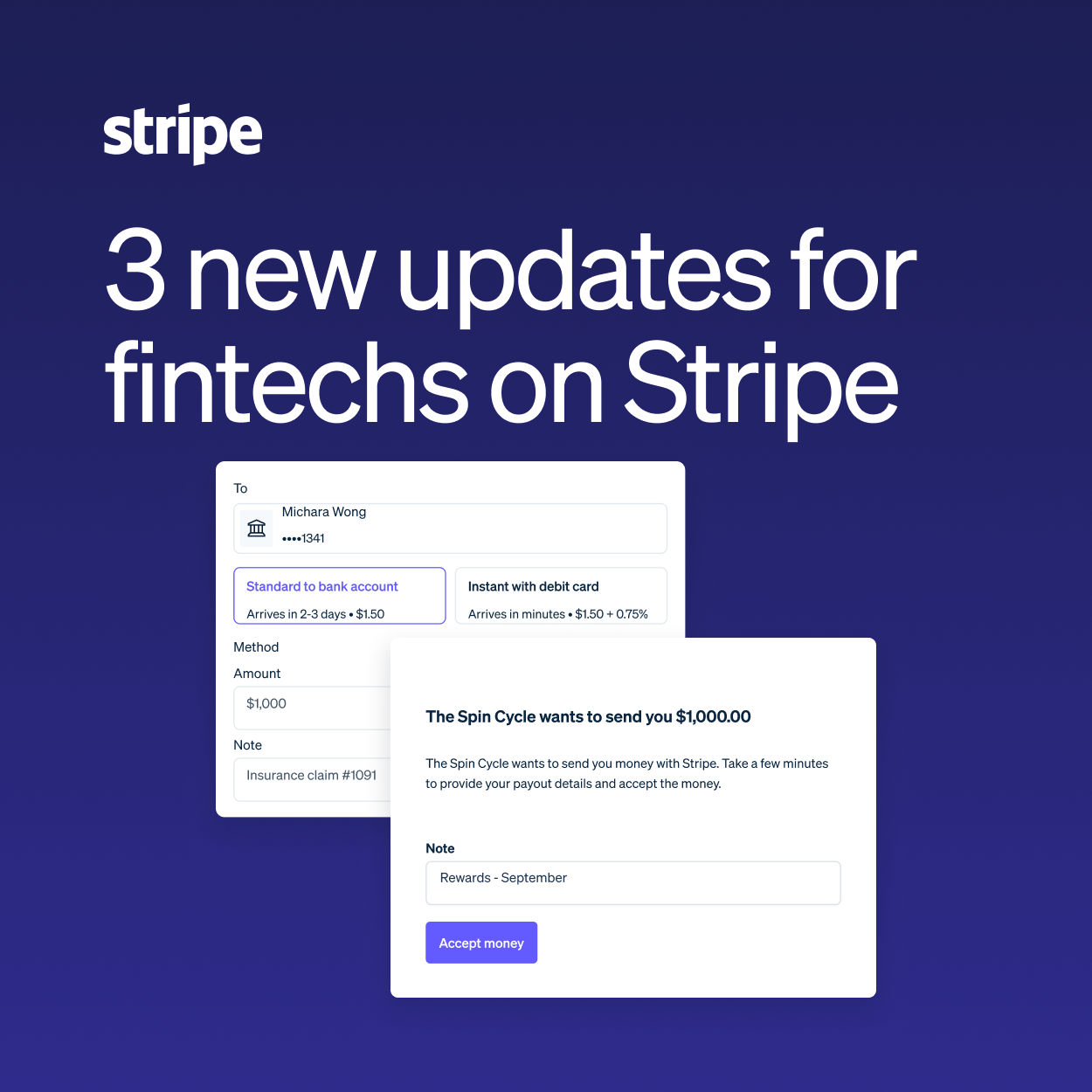
Stripe introduced Global Payouts, expanded stablecoin card support, and unified APIs to simplify fintech product launches and international growth.
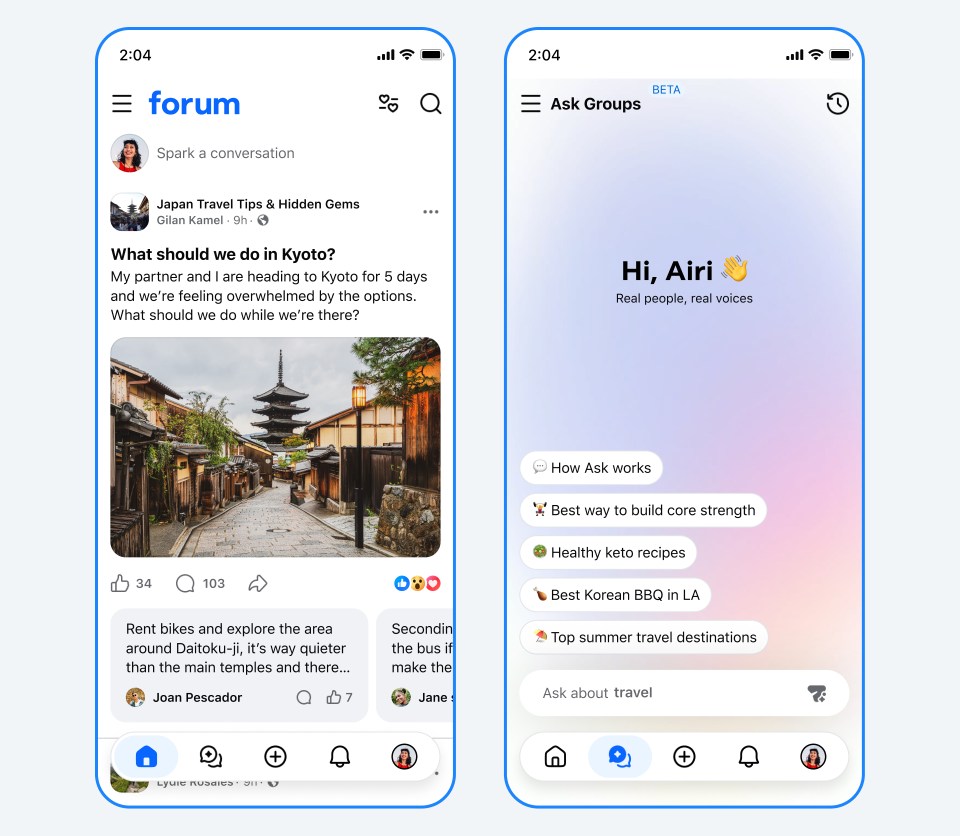
Meta built the Forum app by integrating an AI agent into its development workflow, enabling deeper conversation experiences in Facebook groups.
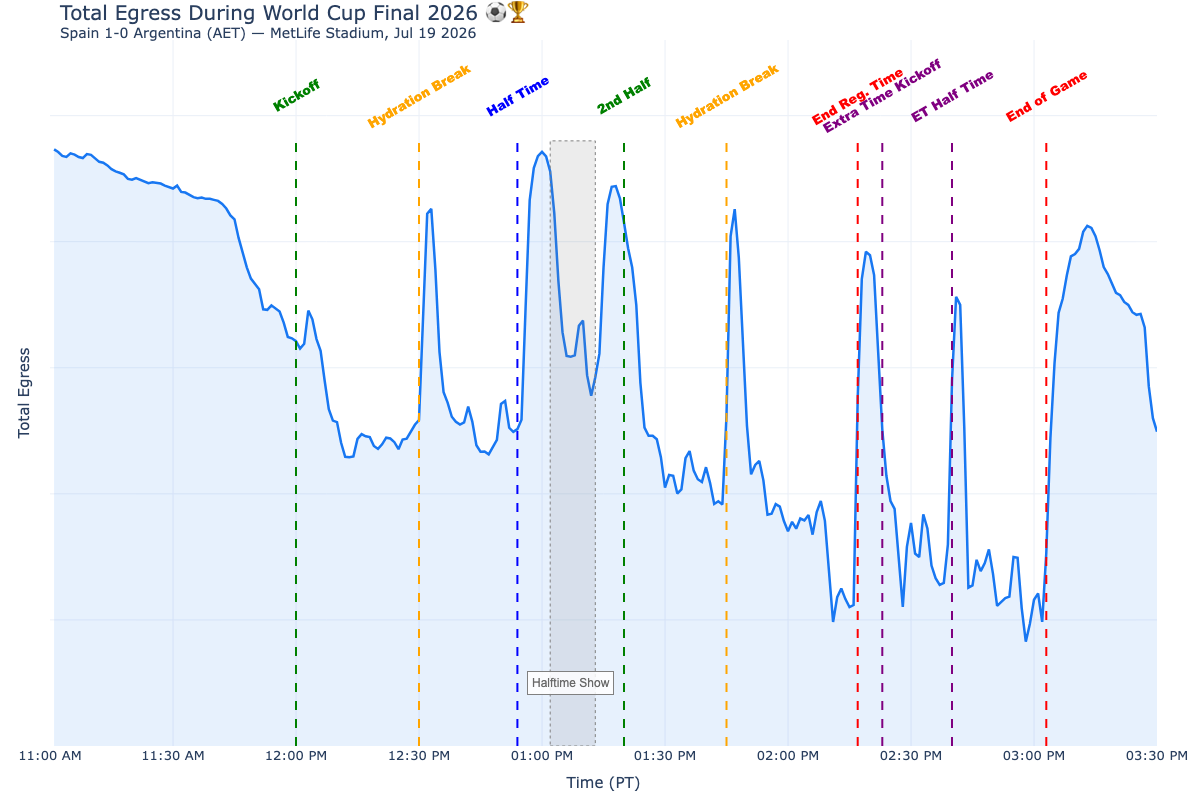
Meta described how its infrastructure handled record traffic during the 2026 World Cup, highlighting scalability and reliability improvements.
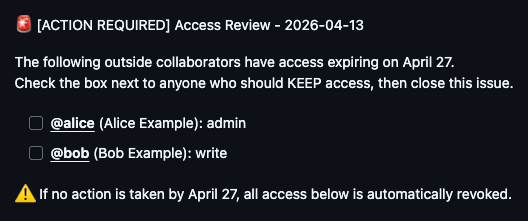
GitHub automated review of outside collaborator access and archiving of stale repositories using native features to maintain secure access and repo hygiene.
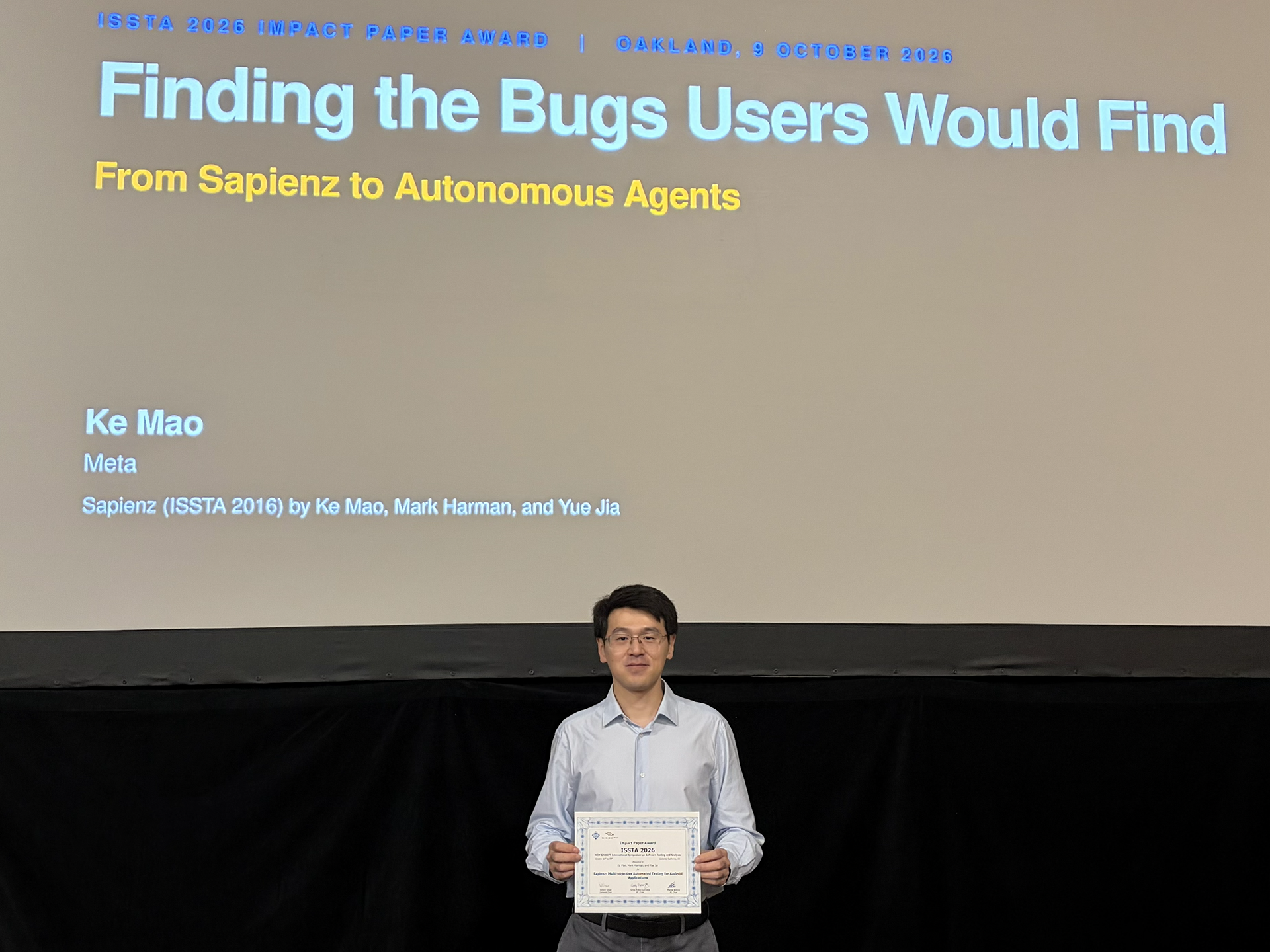
Meta highlighted that Sapienz, a multi‑objective automated Android testing tool, received the ISSTA 2026 Most Influential Paper Award.
Microsoft Research built Magnetar, a framework that brings zero‑knowledge proofs to general‑purpose computing with language support, speed gains, and quantum‑resistant security.

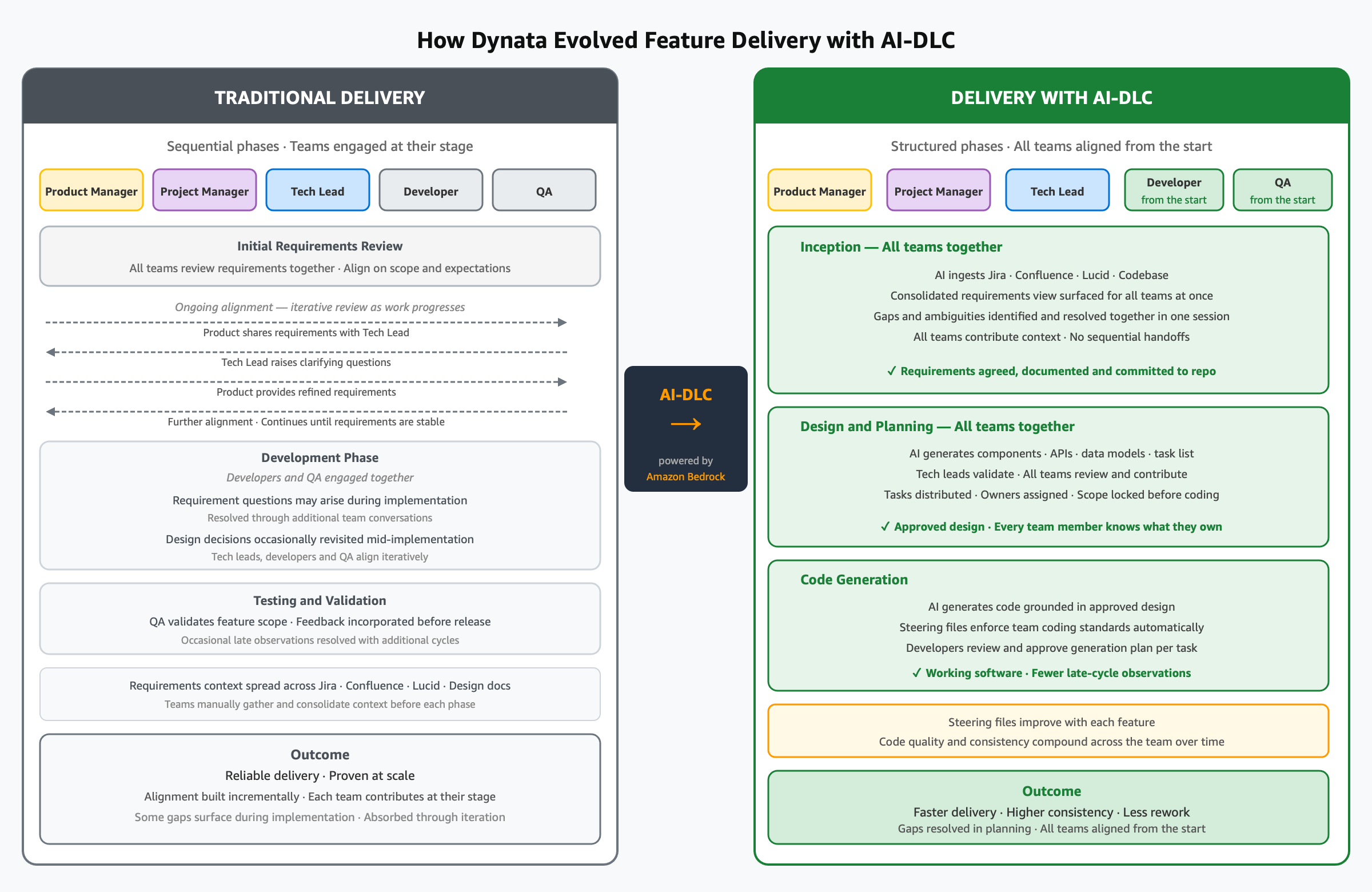
Dynata adopted the AI‑Driven Development Lifecycle and Kiro IDE to scale AI across its development process, cutting feature development from three‑four sprints to about one.
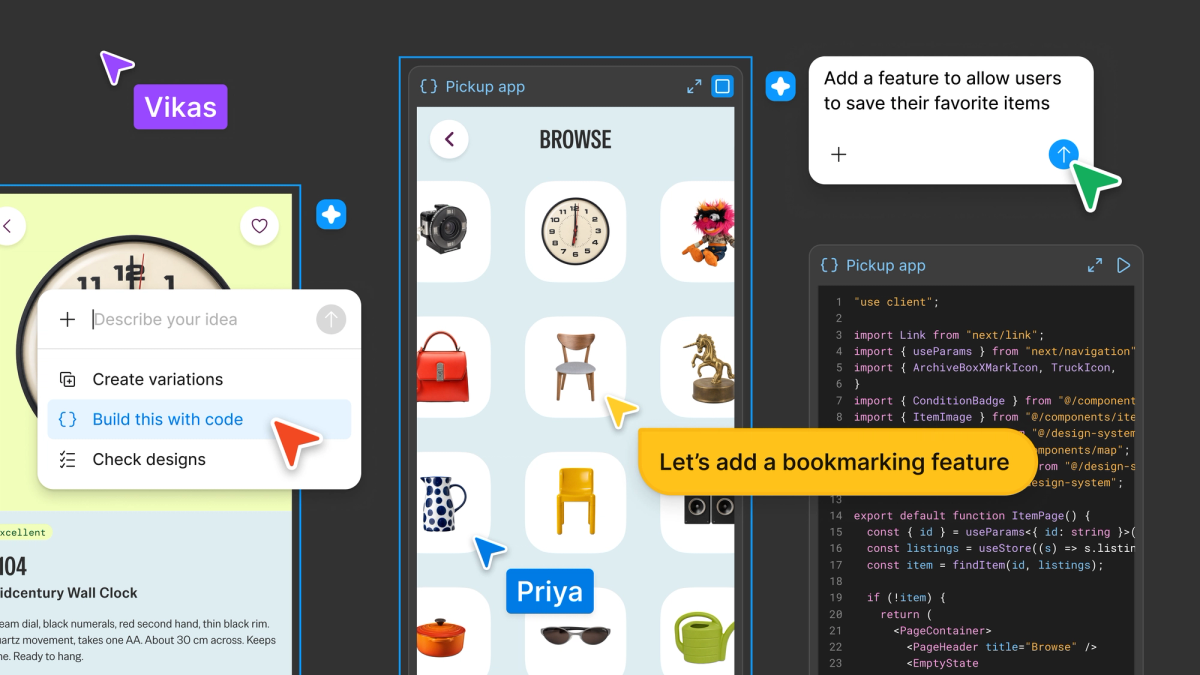
Figma expanded its presence in India by launching an education program, new research, and an MCP partnership as part of its largest international Config.

Figma introduced new workflows that integrate teams, agents, design, code, and context into its full‑stack creative canvas.
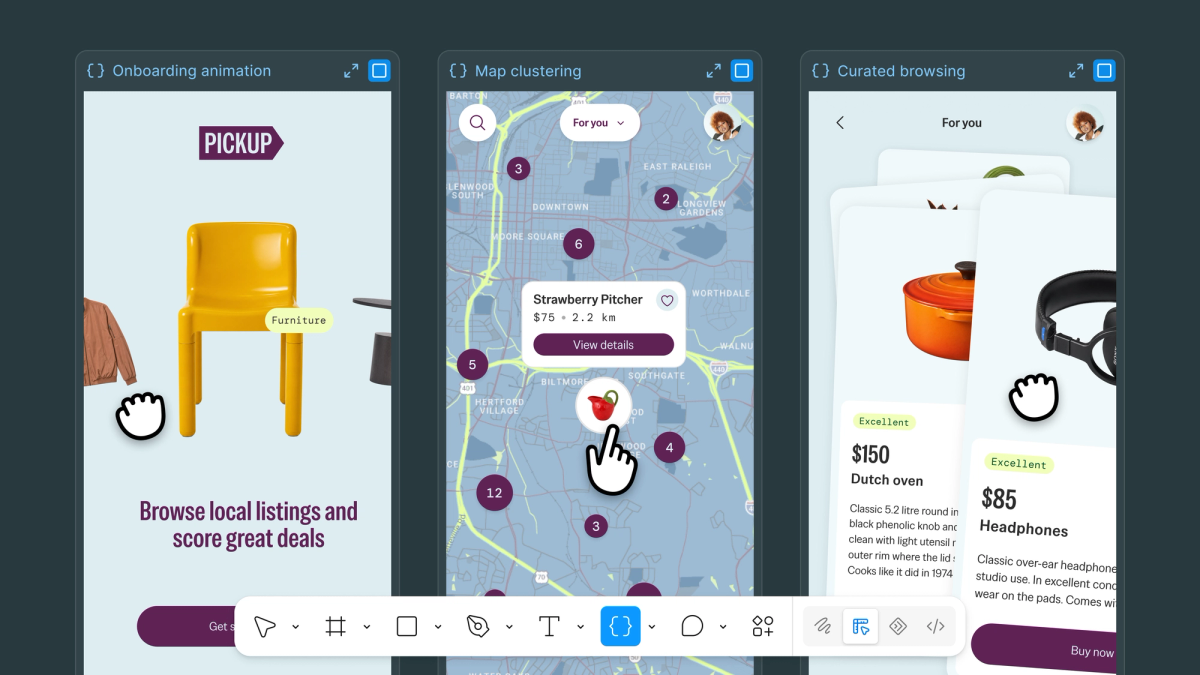
Figma launched the open‑beta of code layers, letting teams build prototypes backed by code directly on the canvas.
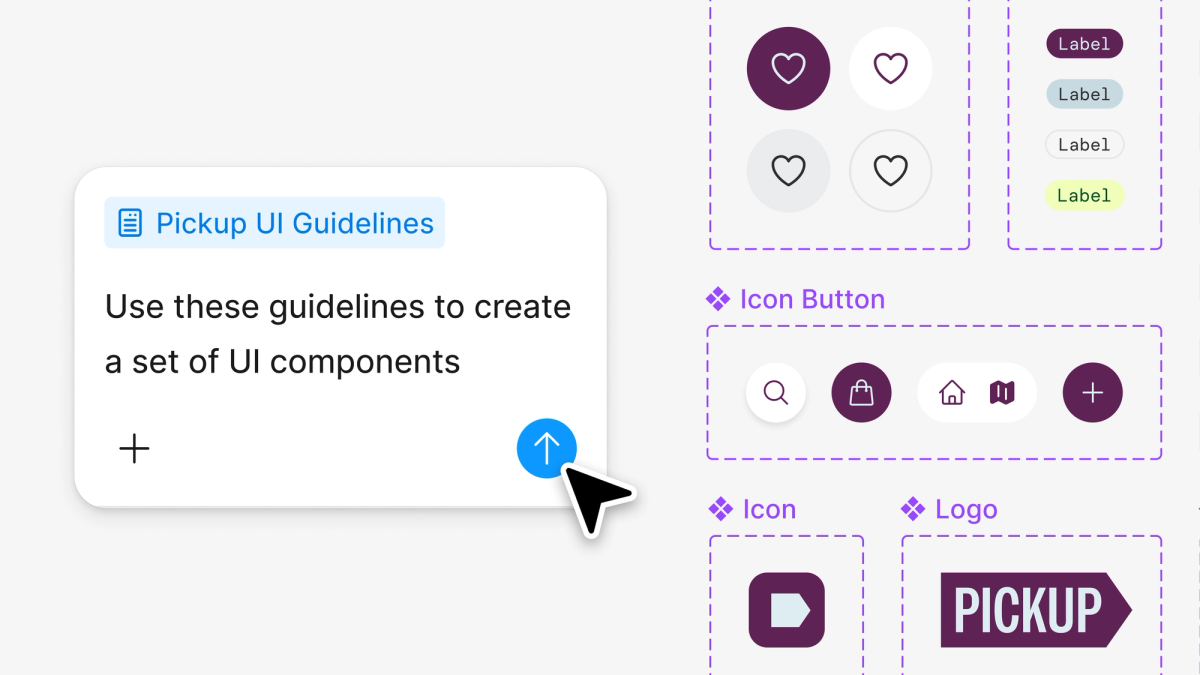
Figma released Specs, a Markdown‑based container that lives on the canvas to hold contextual information.
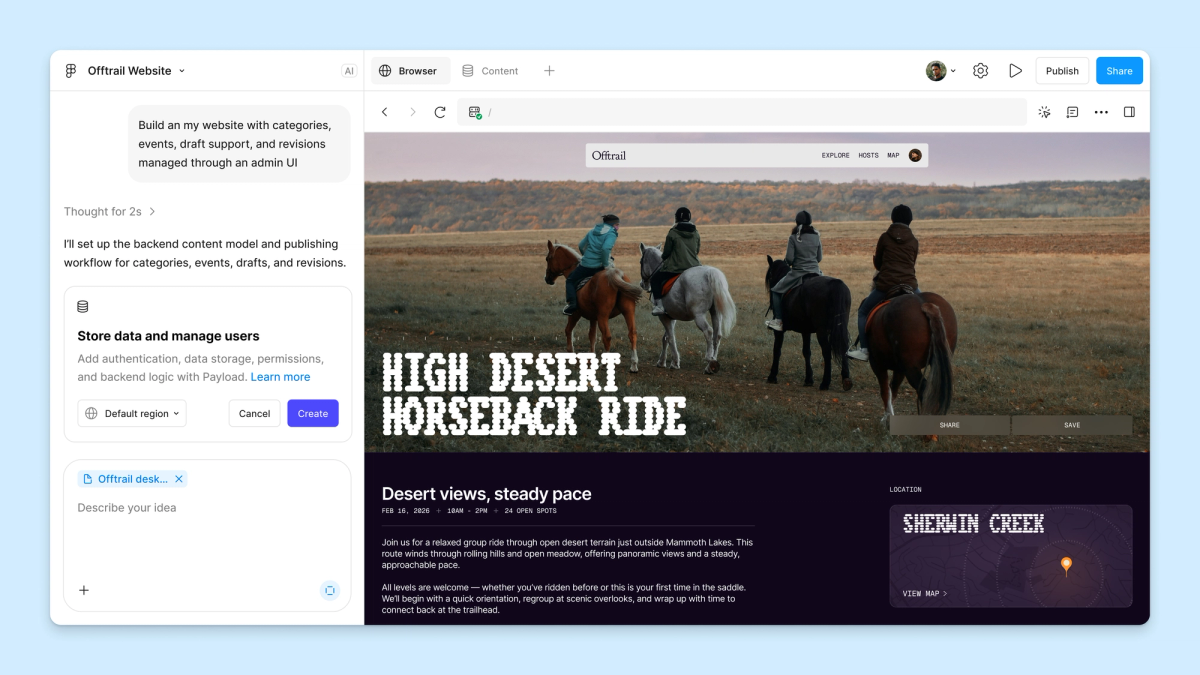
Figma added Payload integration, enabling teams to prototype, ship, and manage data‑backed websites with content and data in one place.
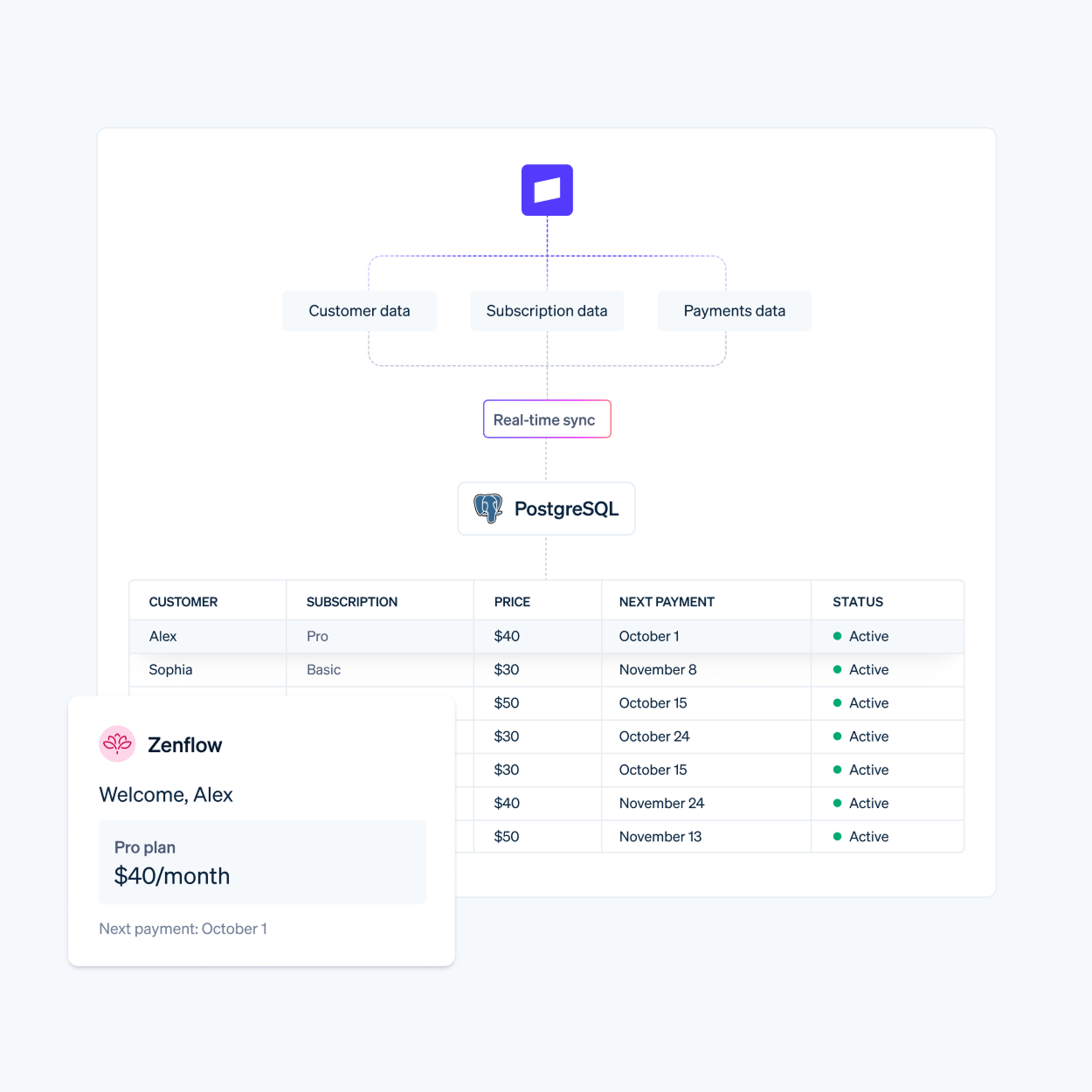
Stripe introduced a real‑time sync that streams Stripe data into Postgres, removing the need for custom integration code.
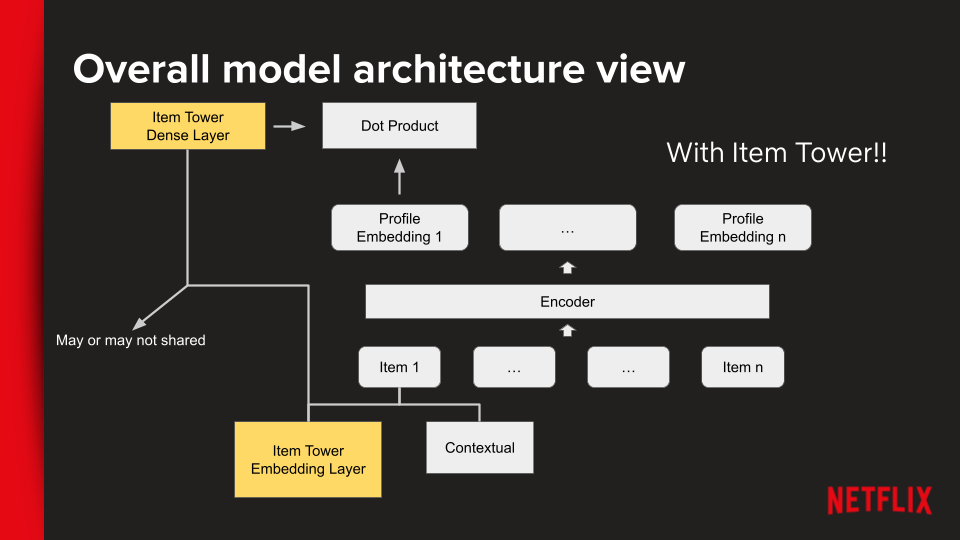
Netflix built a Foundation Model for personalization that learns from large‑scale user interaction and content data and shares its insights across downstream models.
Netflix open‑sourced DataJunction, a metric platform that consolidates scattered metrics, streamlines data workflows, and improves insight generation for experimentation.

Netflix described methods for measuring the value added by personalized recommendations, separating title appeal from personalization impact.

Netflix built a tiered storage system that moves older time‑series data from hot Kafka/Flink streams to native Cassandra cold reads, reducing storage costs while maintaining low‑latency access.

Netflix evolved its Ads Event pipeline into a centralized Ads Event Publisher that enriches ad telemetry and streams a unified feed to downstream consumers, improving consistency and handling encryption end‑to‑end.

Netflix expanded its internal Conductor workflow orchestration engine, rebuilding it to support higher scale after discontinuing the open‑source version, enhancing reliability and observability of micro‑service processes.

Netflix created a framework to run multiple Apache Spark experiments in parallel, automating monitoring and result tracking, which accelerated tuning of the member‑sessionizer pipeline at production scale.

GitHub rebuilt its star history API to return trend counts instead of individual stargazer identities, cutting request volume from 2,500 to 24 and eliminating heavy database queries.

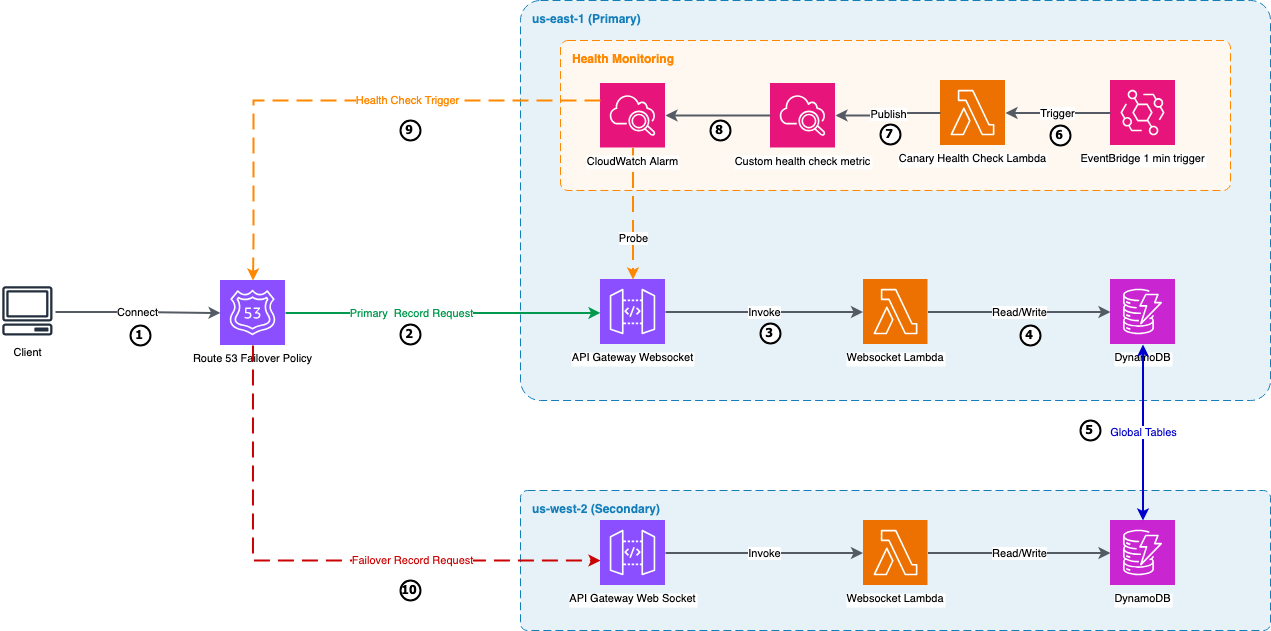
AWS Architecture built a multi‑region disaster recovery pattern for Amazon API Gateway WebSocket APIs using Route 53 failover, DynamoDB Global Tables, a canary health probe and client‑side reconnection to automatically restore sessions during a regional failover.
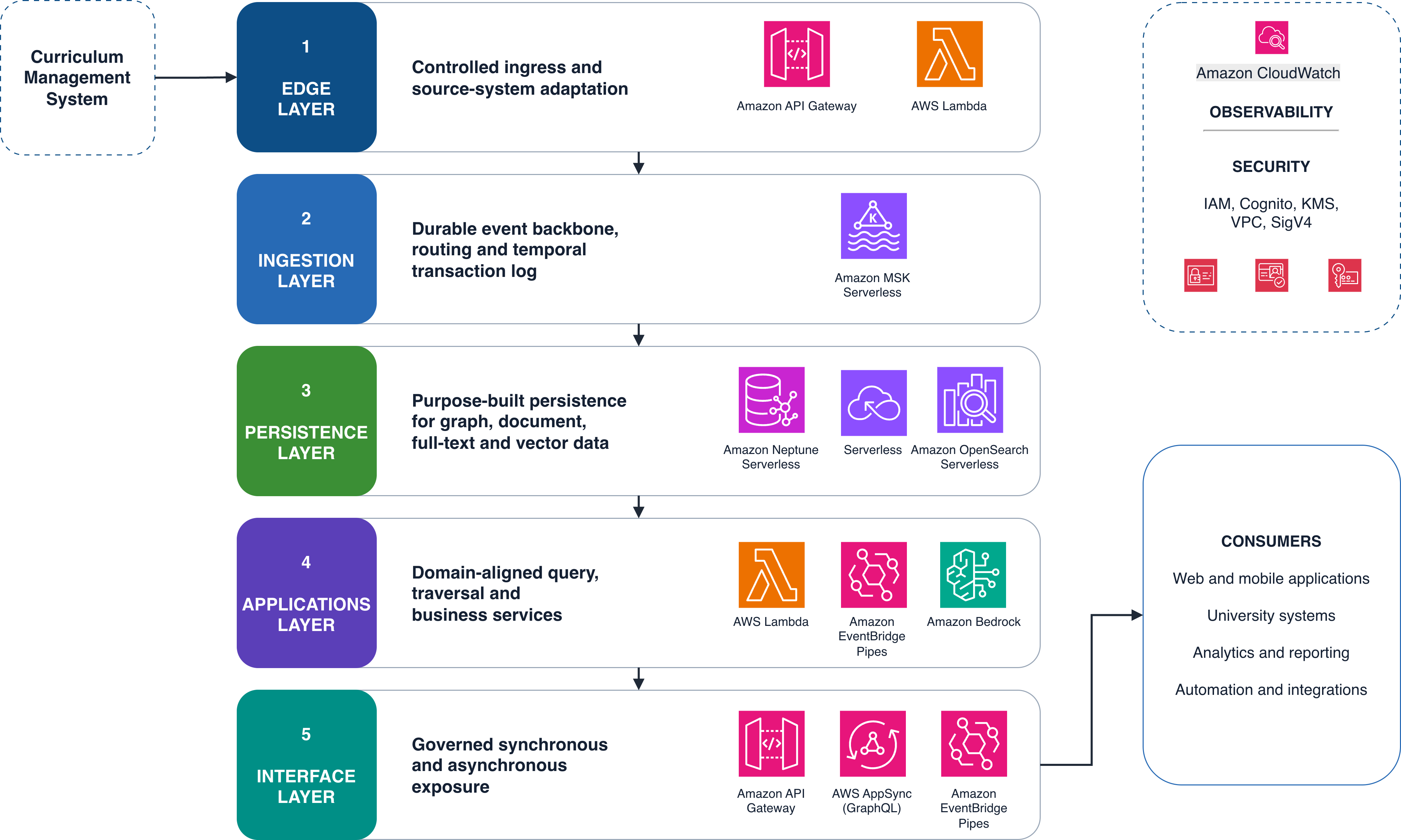
AWS Architecture enabled the University of Technology Sydney to create a governed, reusable curriculum data services foundation on AWS, exposing data via APIs, graph traversal, semantic search and event delivery while keeping the source system authoritative.
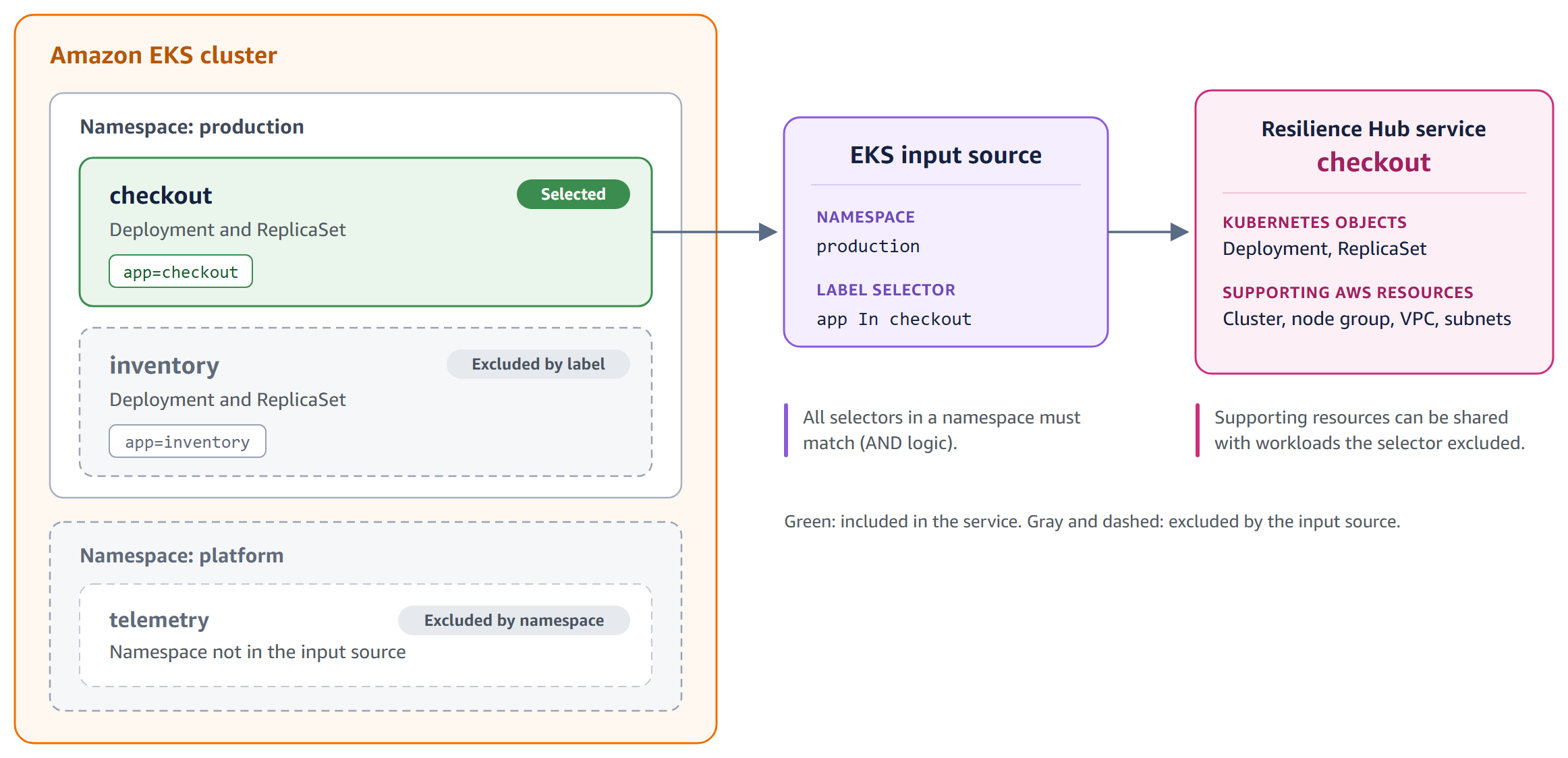
AWS Architecture added EKS label support, generative AI‑powered Dependency Insights and organization‑wide policy sharing to AWS Resilience Hub, helping keep workload scope and resilience requirements aligned with the running environment.
Airbnb built CASTLE, a system that generates synthetic queries and relevance labels from de‑identified booking and search signals to train its natural language search model, overcoming the cold‑start problem and enabling guests to search using free‑form intent.

Meta scaled its Generative Ads Model (GEM), the largest recommendation‑system foundation model, by expanding compute and intelligence transfer with next‑generation hardware and extending the model across the entire ads ecosystem.
Anthropic migrated to an in‑house version control system over five months to handle a tenfold increase in daily merges, removing a major development bottleneck.

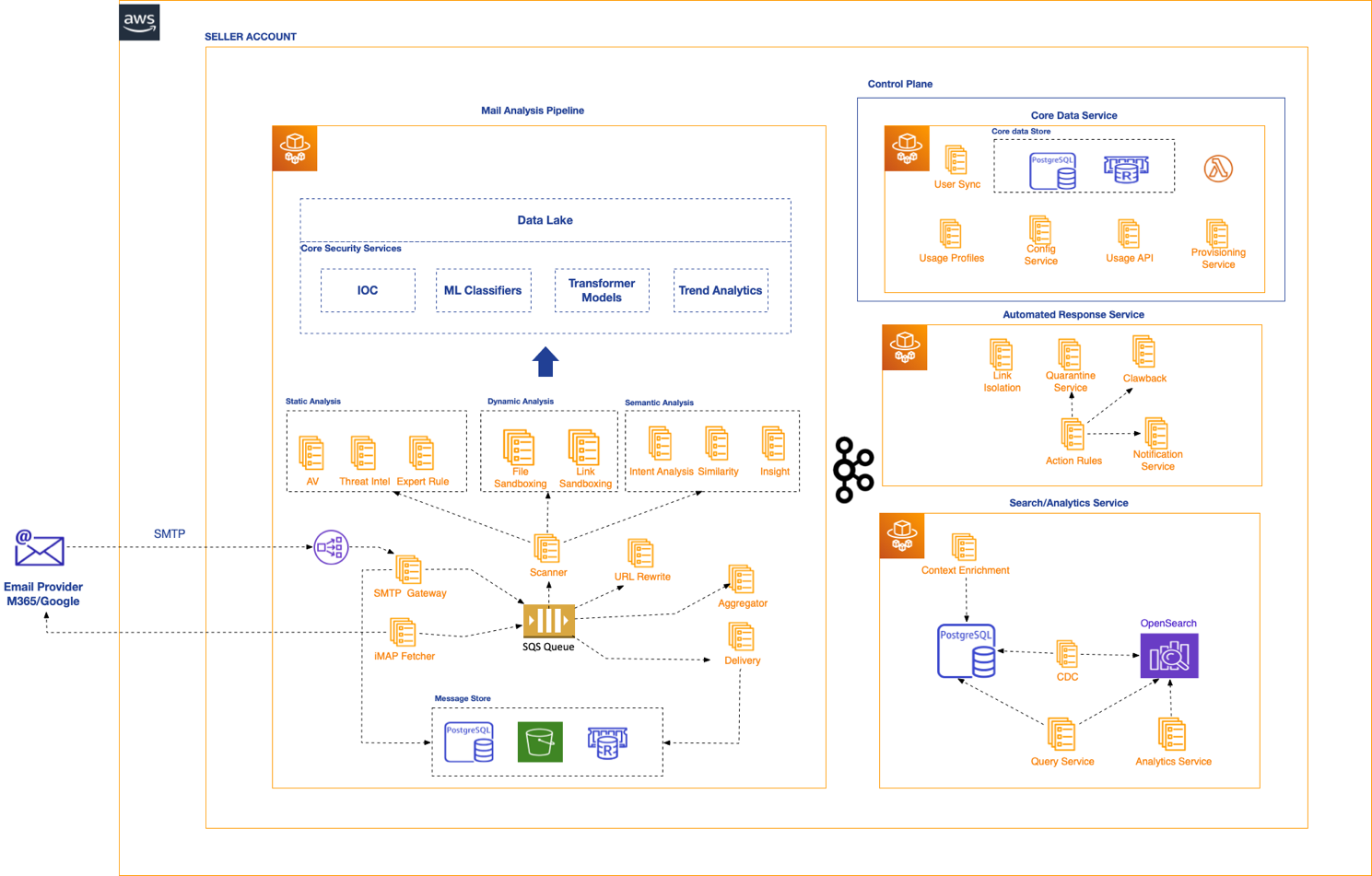
AWS Architecture shows how VIPRE Security built an AI‑powered email security solution on AWS using machine learning, serverless ECS, SQS and S3 to detect and block business email compromise in real time without MX record changes.
AWS Architecture built a Bulk Executor tool for Amazon DynamoDB using AWS Glue, detailing design tradeoffs, surprises, and workarounds for bulk tooling on Glue.

Razorpay built an RTO risk model that automates the ML lifecycle—from reproducible releases to deployment in checkout, monitoring, and retraining—to decide when to offer cash on delivery.

Grab built an early‑stage concept that analyses aggregated GrabMart transaction data to spot unusual product demand as a signal for disease outbreak detection.

Stripe built a discussion of AI monetization economics, showing how companies combine subscriptions with usage‑based billing and spend controls for AI products.
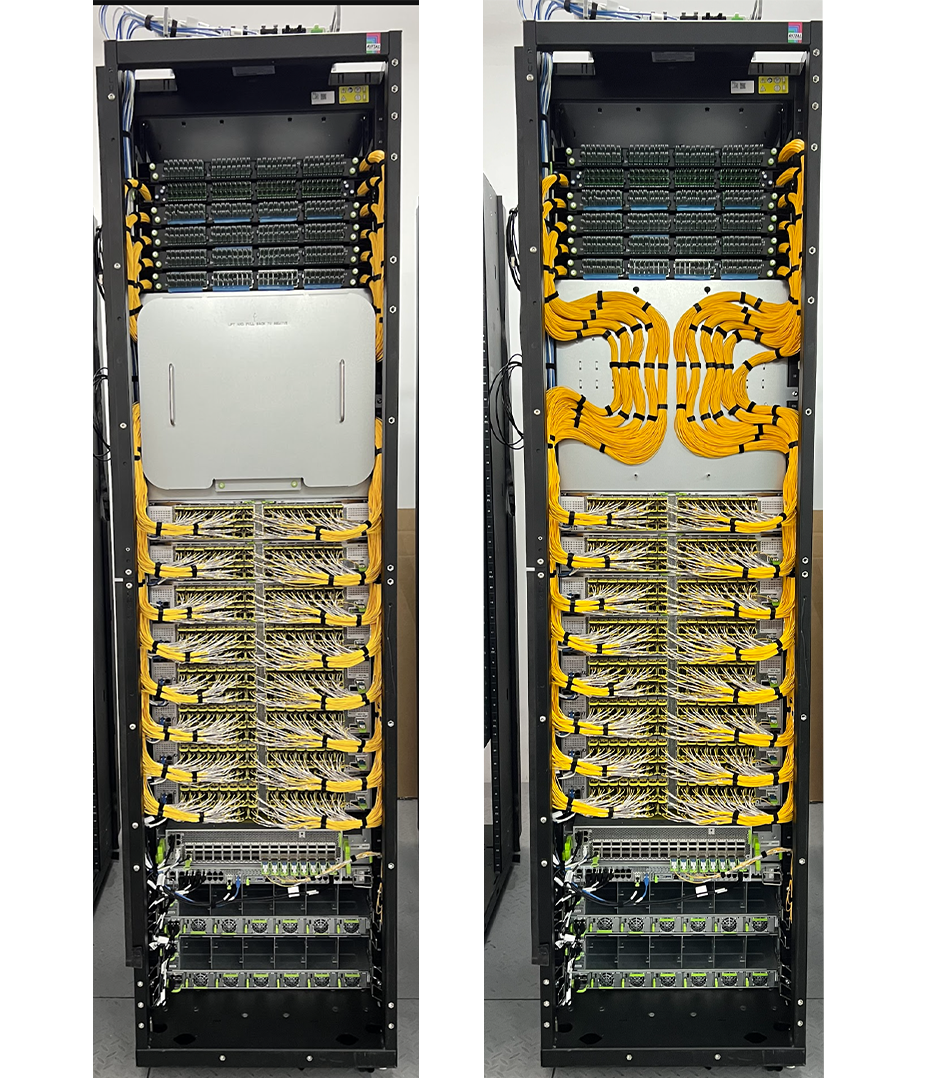
Meta built next‑generation open networking hardware, including a liquid‑cooled rack (IcePack), a 102.4 T switch platform (IceCube), Flattened Planar Fabric, and the MetaRoCE AI transport protocol.
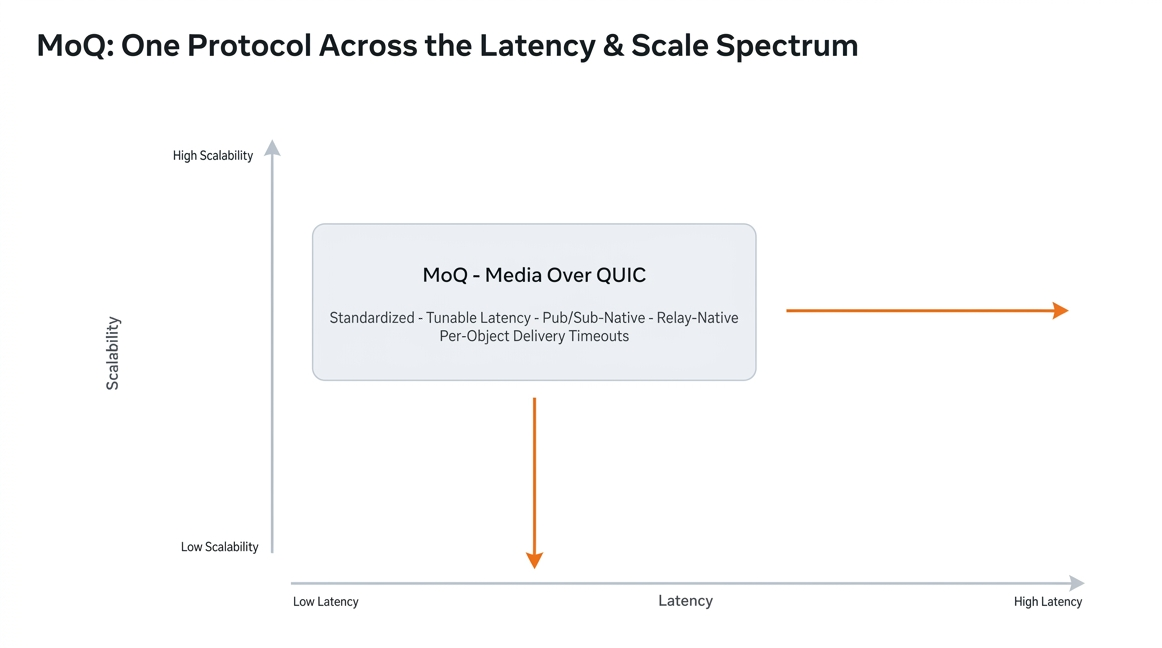
Meta built a Media over QUIC (MoQ) deployment for Instagram Live ingest, simplifying the streaming protocol stack and improving live video experience at scale.
Microsoft Research built StudentSim, a simulation system that models student interactions to evaluate and improve AI tutoring tools across subjects.

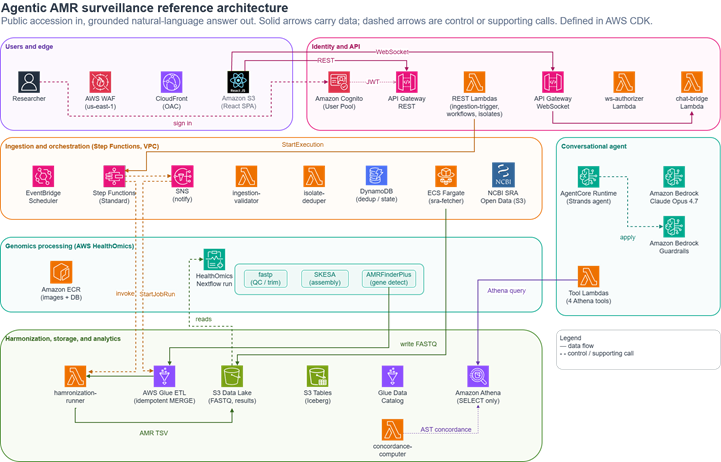
AWS Architecture built a reference architecture that combines AWS HealthOmics and Amazon Bedrock AgentCore to turn public sequencing data into plain‑language answers about antimicrobial‑resistance genes.
Figma outlines four team rituals that help teams adopt AI, describing practices used at Figma, Sephora, Mercari, and Atlassian to turn individual productivity gains into broader team value.
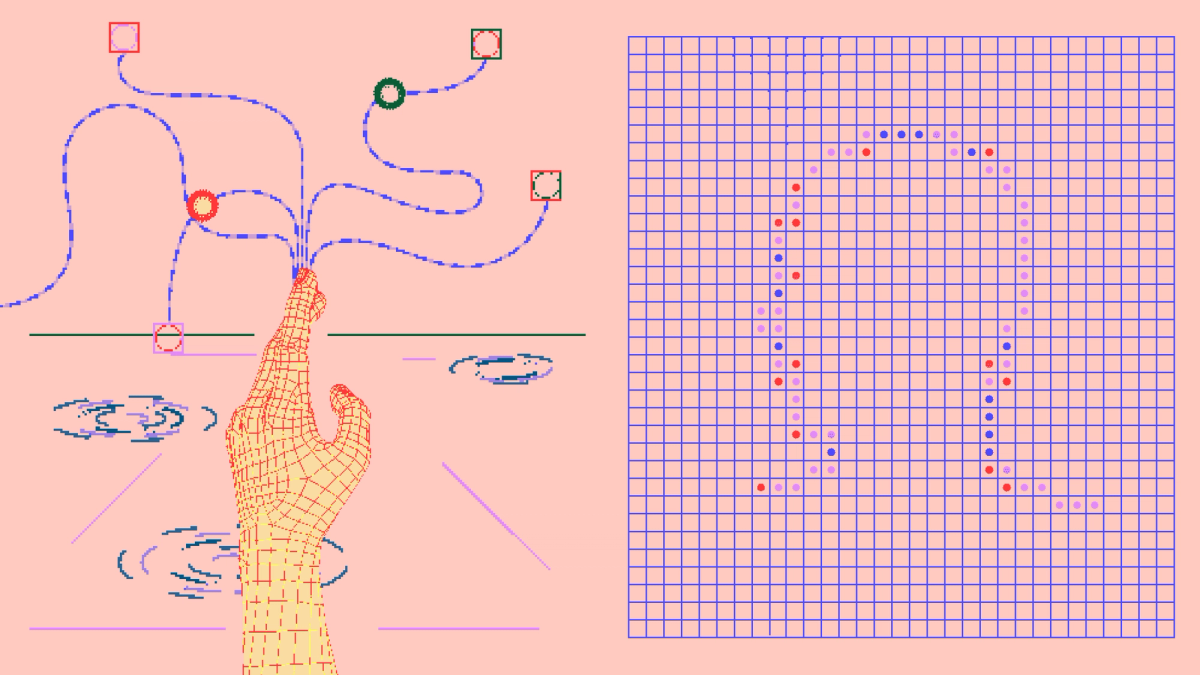
Pinterest describes how it uses large language models to transform activity signals into intent, generating user journeys that improve personalization beyond the last clicked Pin.

Figma challenges teams to elevate AI usage, urging higher standards for adoption and impact.
Booking.com migrated its 250 PB Hadoop data lake (500 PB with replication) to a new platform on schedule and without downtime, detailing the architecture and processes that enabled Europe’s largest data lake move.

Spotify announces Spotify Technology, a suite of tools proven internally now offered to external developers.
Microsoft Research introduces Agent Lightning, a 3,500‑line lightweight framework that connects existing AI agents to reinforcement‑learning training, simplifying agent improvement without rebuilding.

GitHub is rebuilding its Git infrastructure to support agent‑scale software development while keeping the service operational.

Airbnb built a system that captures real MySQL-compatible database traffic and replays it offline to load‑test, plan capacity, and de‑risk upgrades.

Uber built Odin’s hybrid core allocation that provides dedicated CPU when needed and elastic sharing otherwise, improving scaling efficiency.

Microsoft Research explains what AI gets wrong and what failures teach about handling complexity.

Pinterest built Metrics Board, an end‑to‑end platform that organizes a petabyte‑scale metrics ecosystem for reliable, agent‑ready metric serving.

Figma explains how the agent can automate repetitive design system upkeep, from library maintenance to compliance checks.

Figma shows three ways product designers use the Figma agent to boost craft, speed, and creative expression.
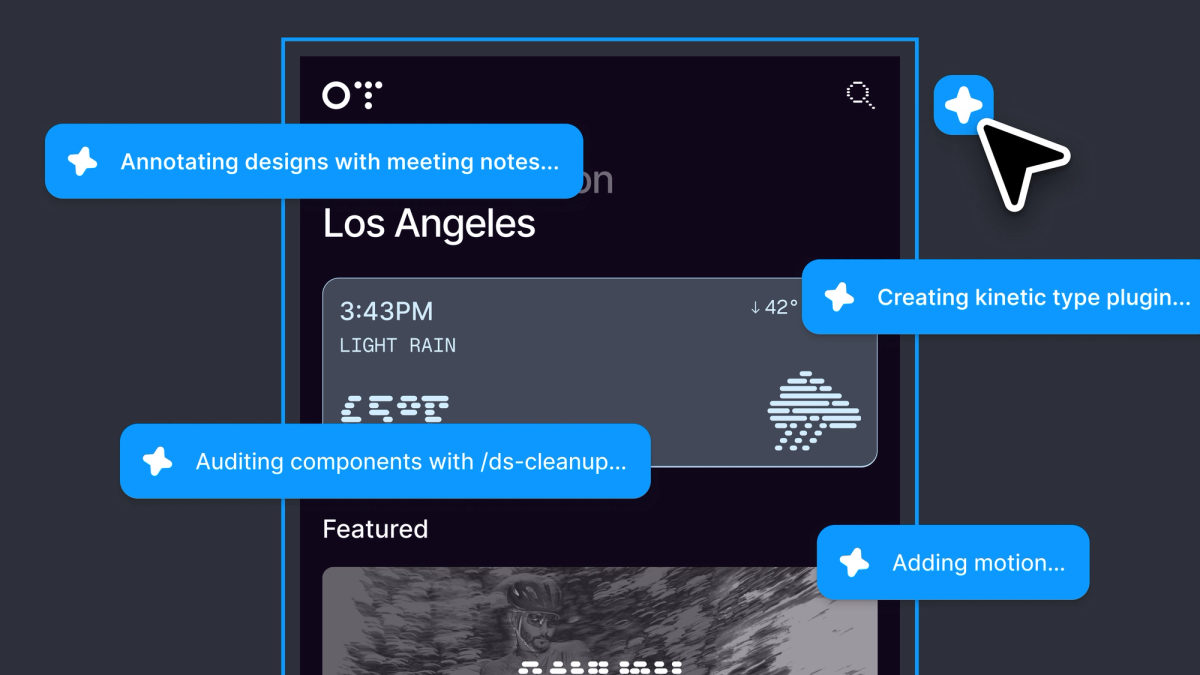
Figma demonstrates a workflow where the agent handles library updates, critique feedback, and a design system spec draft to keep designers in the flow.

Grab added residential property data to user profiles to create regional affluence segments that improve price‑sensitivity personalization.
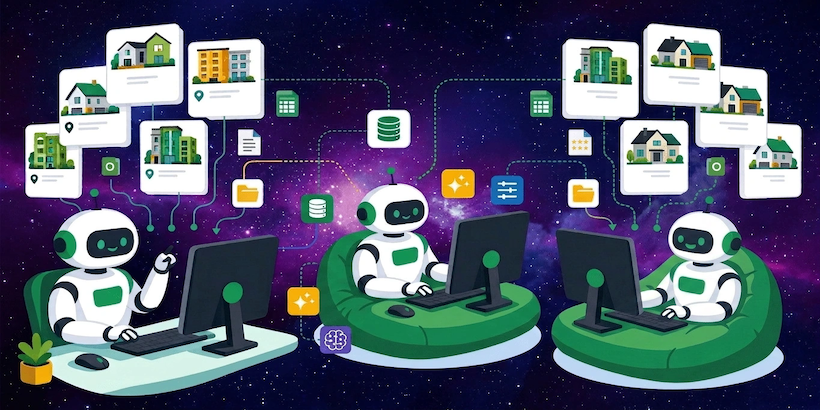
Google Research outlines emerging privacy and security challenges for autonomous generative‑AI agents.

Grab built a city‑scale simulation platform that models real‑time dispatch decisions, enabling AI‑led research on driver assignment and order batching.

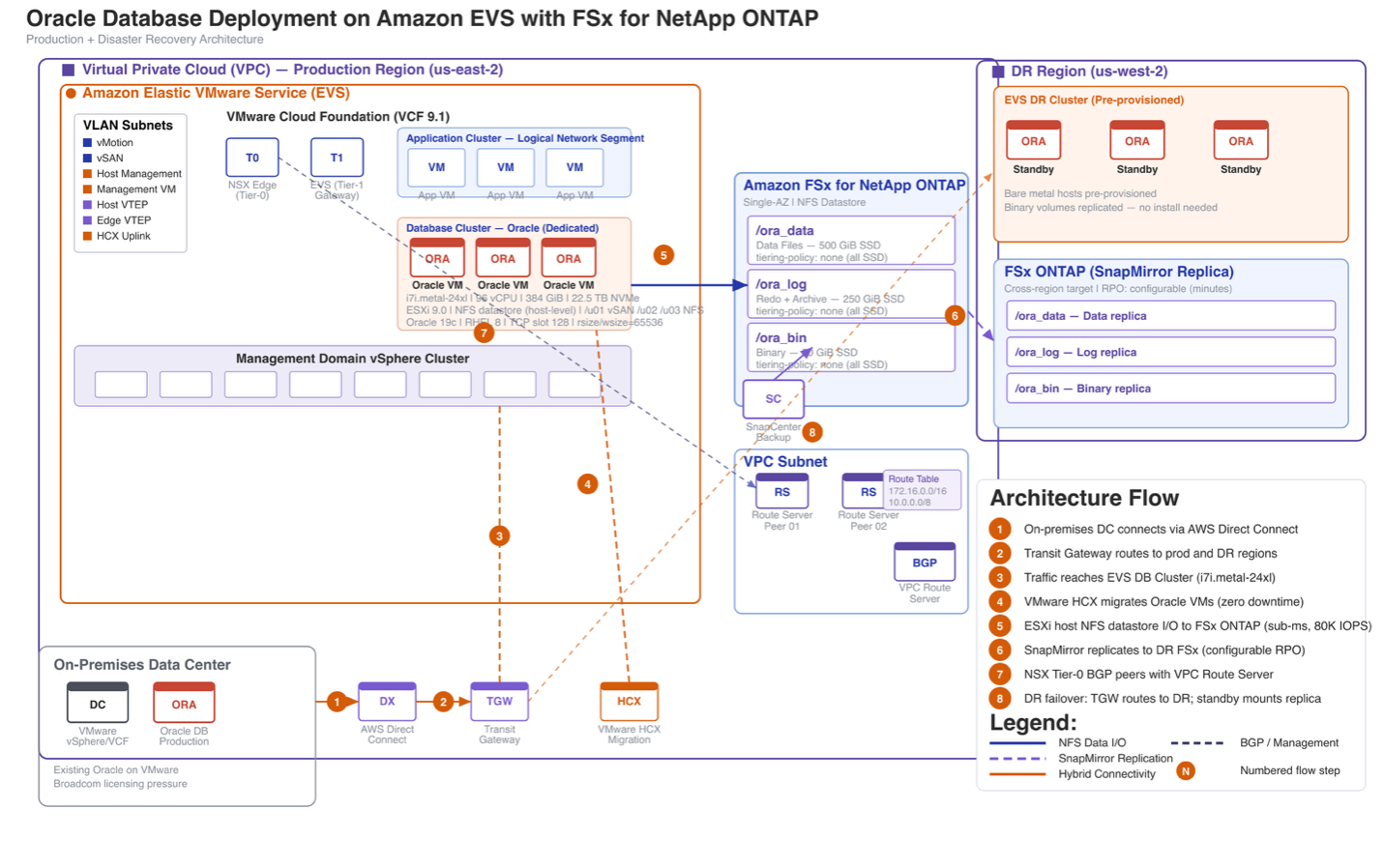
AWS Architecture provides step‑by‑step instructions to deploy Oracle Database on Amazon EVS with FSx for NetApp ONTAP as an NFS datastore.

AWS Architecture describes how to architect a highly available Oracle Database on Amazon EVS and FSx for ONTAP using bare‑metal instances, vSAN tiering, NSX networking, and cross‑region SnapMirror.
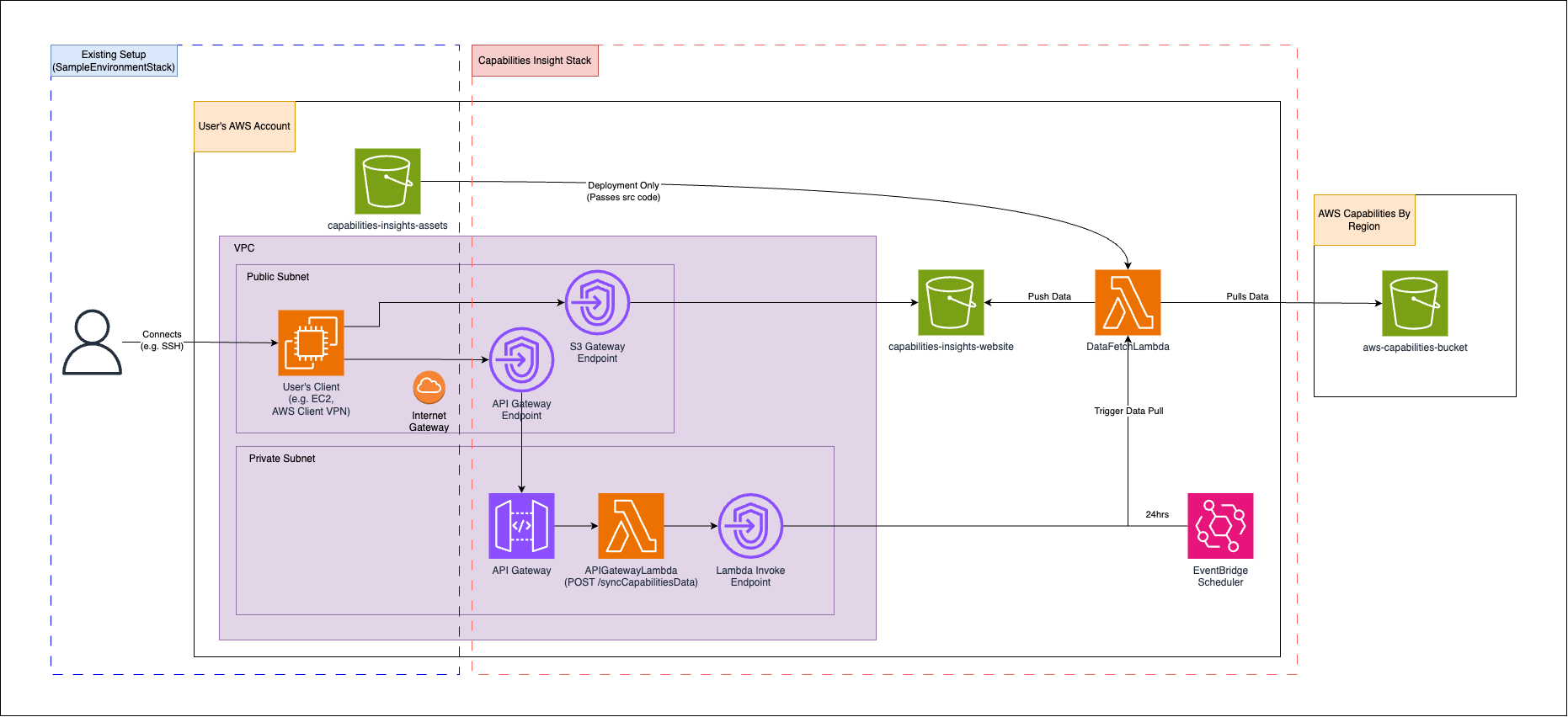
AWS Architecture shows how to deploy self‑hosted regional availability dashboards and workload analysis tools inside a VPC.
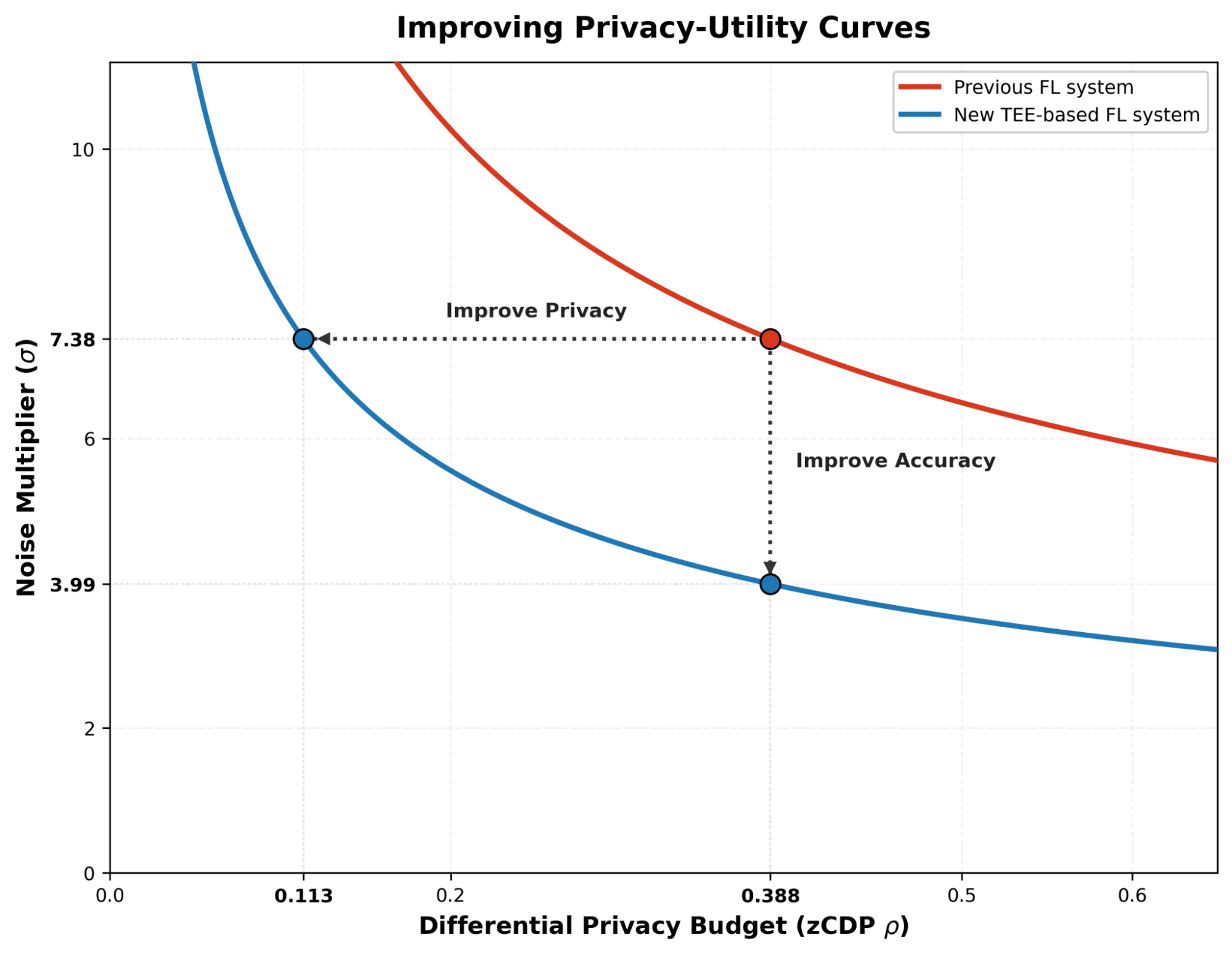
Google Research presents methods for provably private learning from federated data, advancing privacy‑preserving machine‑learning techniques.
Figma built a workflow that uses the Gen Effect and Figma nodes to turn design system assets into brand campaign collateral.

Shopify built ShopGym, a sandbox generator that creates realistic online stores and shopping tasks so developers can repeatedly test shopping agents under consistent conditions.

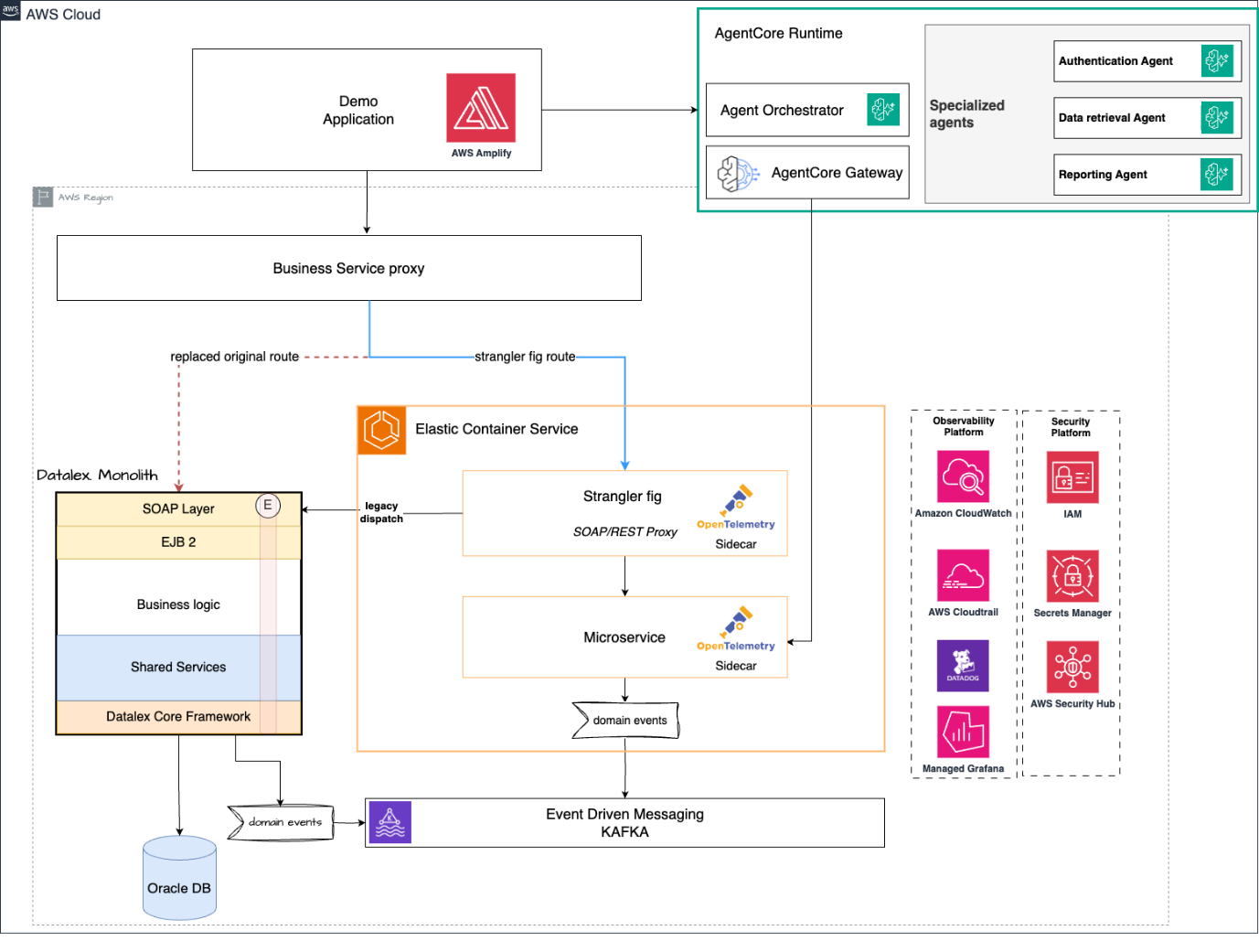
AWS Architecture helped Datalex modernize by migrating a core reservation component from EJB/Java 8 to Spring Boot/Java 21, adding a secure CI/CD pipeline, observability, and agentic AI integration.
Stripe evaluated token billing as a pricing model, found it problematic for customers, but ultimately kept it after weighing its infrastructure benefits.

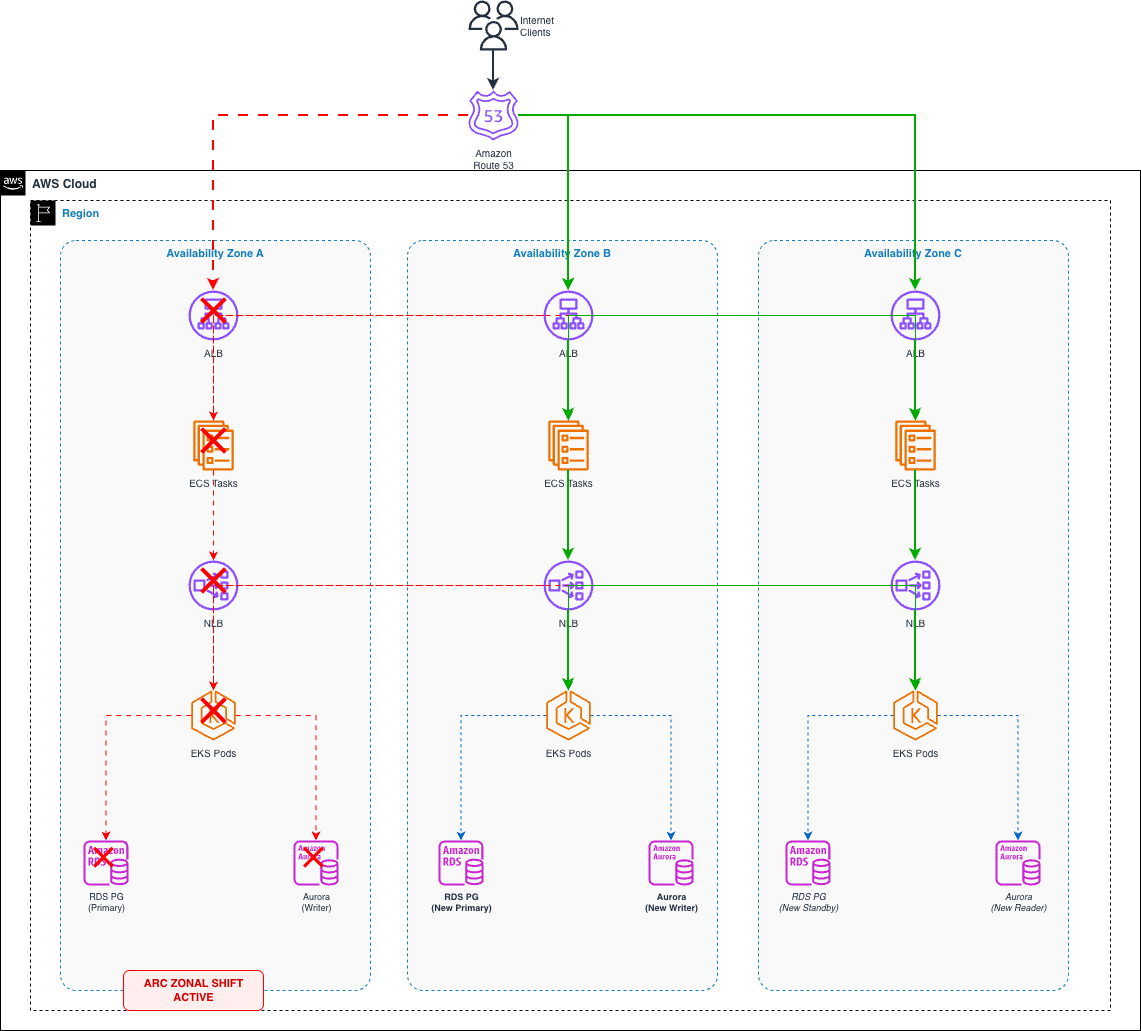
AWS Architecture detailed how to run a multi‑day (48‑72 hour) Availability Zone evacuation drill with ARC Zonal Shift across ECS, EKS, RDS for PostgreSQL, and Aurora PostgreSQL, including CLI steps and metrics.
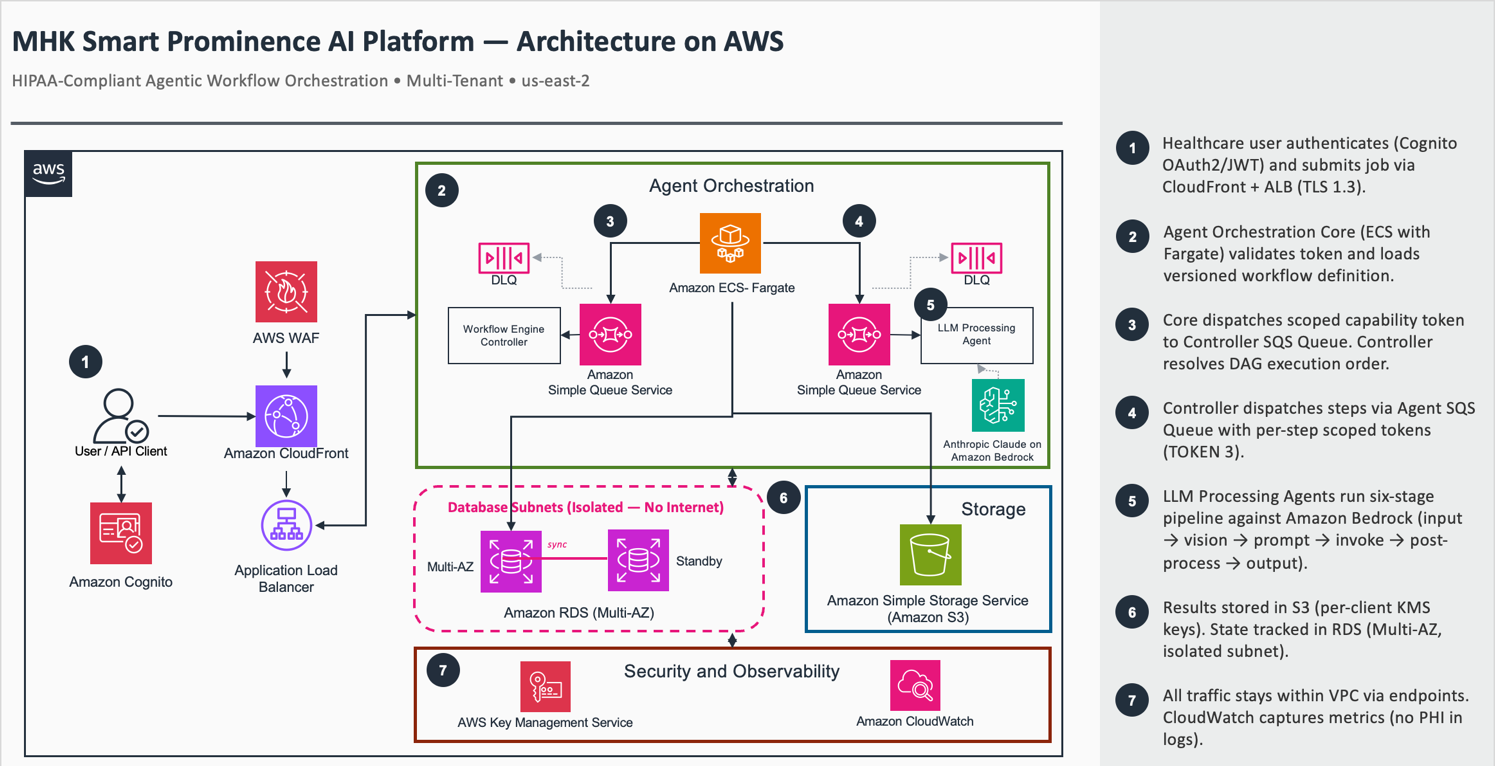
AWS Architecture described how MHK built the SmartProminence AI Orchestrator, a HIPAA‑eligible agentic AI workflow on Bedrock and ECS, reducing manual medical review effort by 90% and cutting feature deployment from months to weeks.
Microsoft Research built a machine‑learning system that forecasts space‑weather risks on power grids, predicting likely damage 30‑60 minutes before a storm arrives.

Uber tuned Go's runtime stack allocation, achieving a 10% CPU utilization gain for a service running on over 2 million cores.
Airbnb uses proximity signals to personalize experiences for users without login or history, addressing cold‑start challenges in search ranking and recommendations.

Microsoft Research introduced Quine, a multimodal AI system that models biology across scales to help scientists explore hypotheses before lab work.

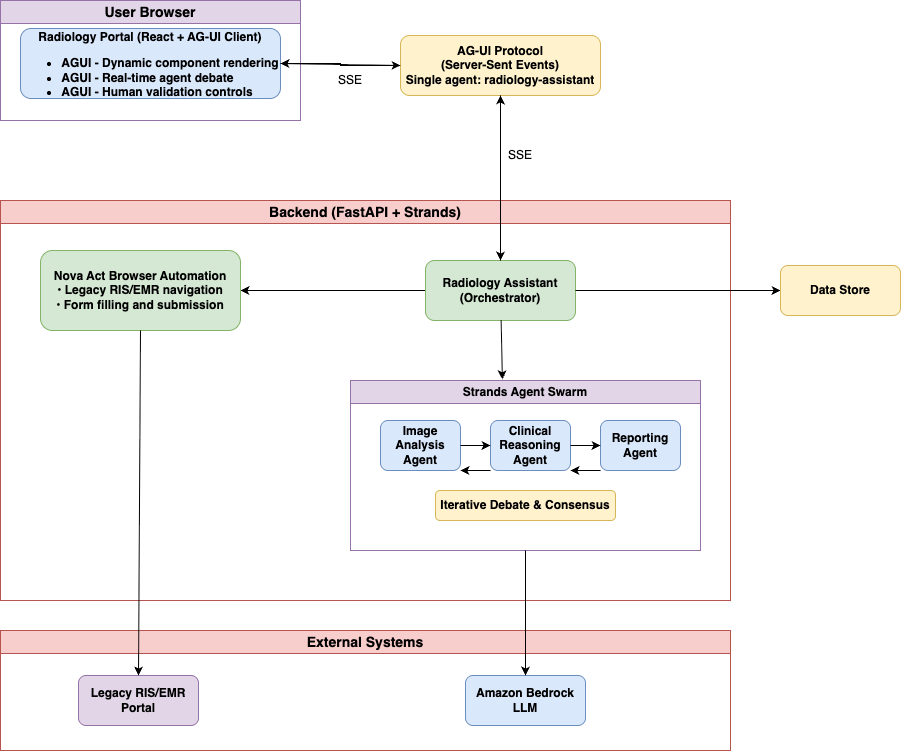
AWS shows how to build adaptive AI interfaces with the AG‑UI protocol, agent swarms via the Strands SDK, and Nova Act for legacy system integration.
Etsy examines the rising environmental impact of AI computing and the difficulty of measuring and reducing that footprint.
Booking.com re‑engineered its largest Node.js service, cutting compute costs by 38%, using fewer pods, 20% less memory per pod, and reducing latency without code changes.

Dropbox redesigned its Reclaim calendar assistant to be AI‑native, handling natural‑language requests while keeping the familiar scheduling experience.

Stripe added three major improvements to Link, enabling personal agents to navigate checkout flows and build consumer trust more reliably.
Microsoft Research Asia – Singapore highlighted a year of building collaborations with government, academia, and industry while applying frontier AI research to real‑world problems.

Hotstar benchmarked various knowledge‑base and code‑graph tools to determine how they improve coding agents' understanding of codebases, aiming for better context and lower token usage.

16 product announcements and marketing posts are hidden. Show them
 Shopify