Shopify
 AWS Architecture
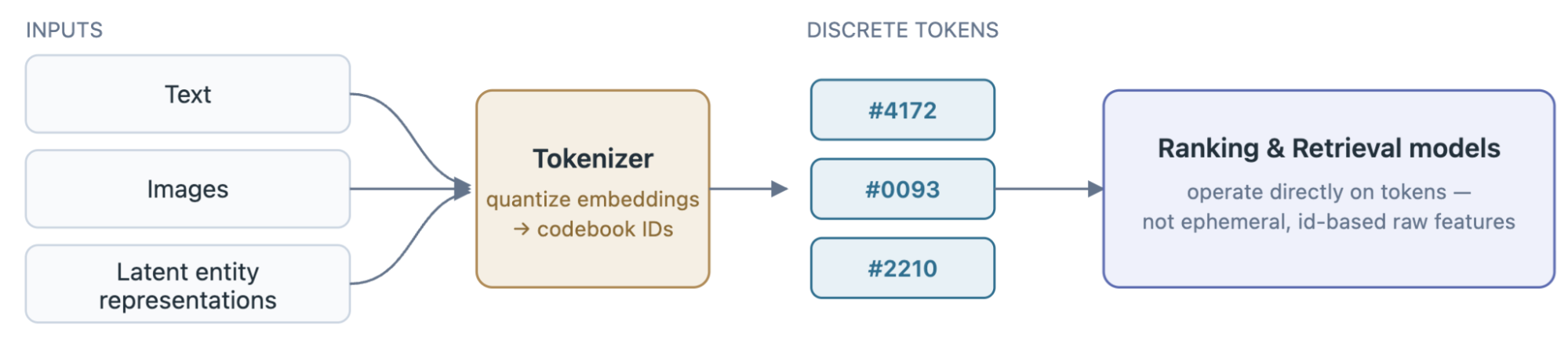
Meta created GenRecs Tokenization, a stable model vocabulary that encodes ads and user preferences, enabling generative recommender models to reason about content and improve ad matching.
Company blogs
Engineering and data science write-ups straight from the teams at 30 companies. Each one summarised in a line or two and sorted by subject. New posts are added every morning.
Reading the blogs of
Loading posts…
Meta created GenRecs Tokenization, a stable model vocabulary that encodes ads and user preferences, enabling generative recommender models to reason about content and improve ad matching.
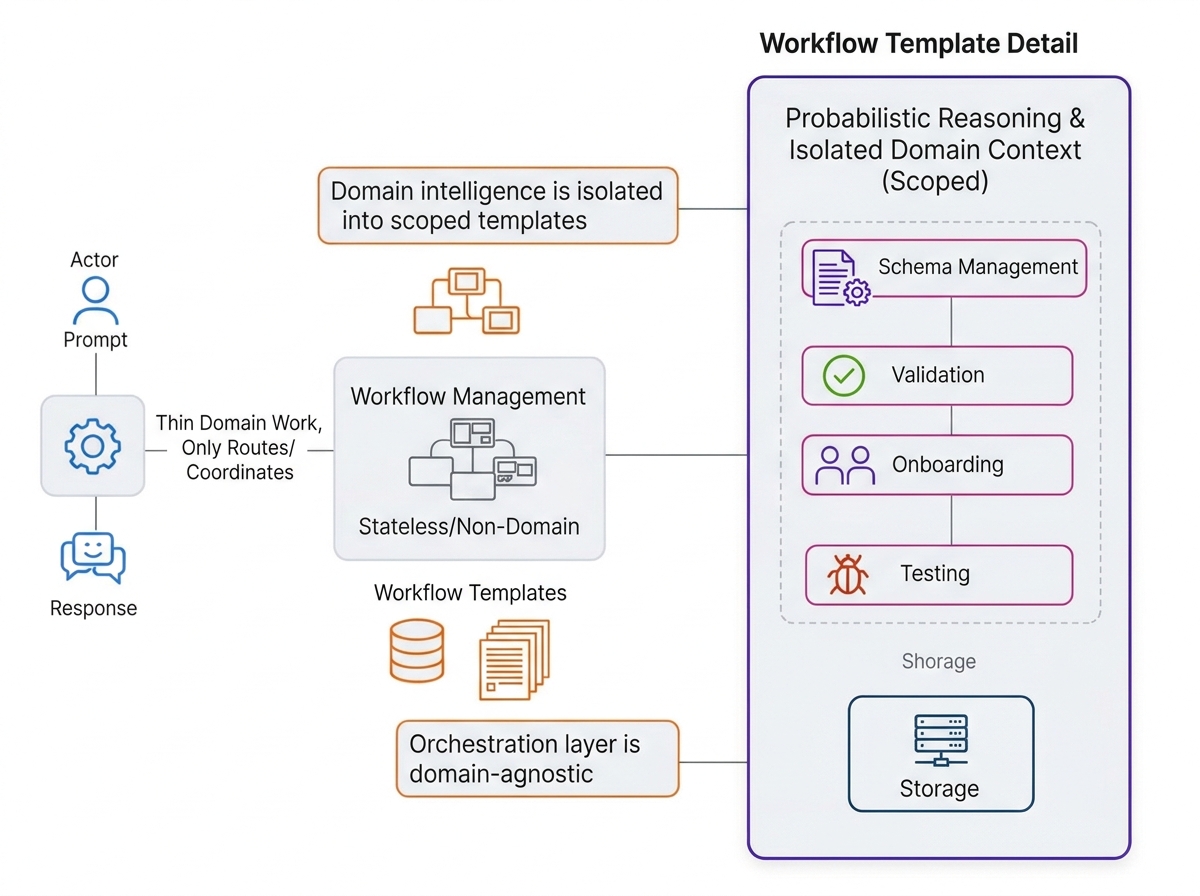
Meta built a thinner orchestration layer for its AI agents that only routes work and enforces reliability checks, letting specialized agents handle domain reasoning, which improved efficiency and accuracy.
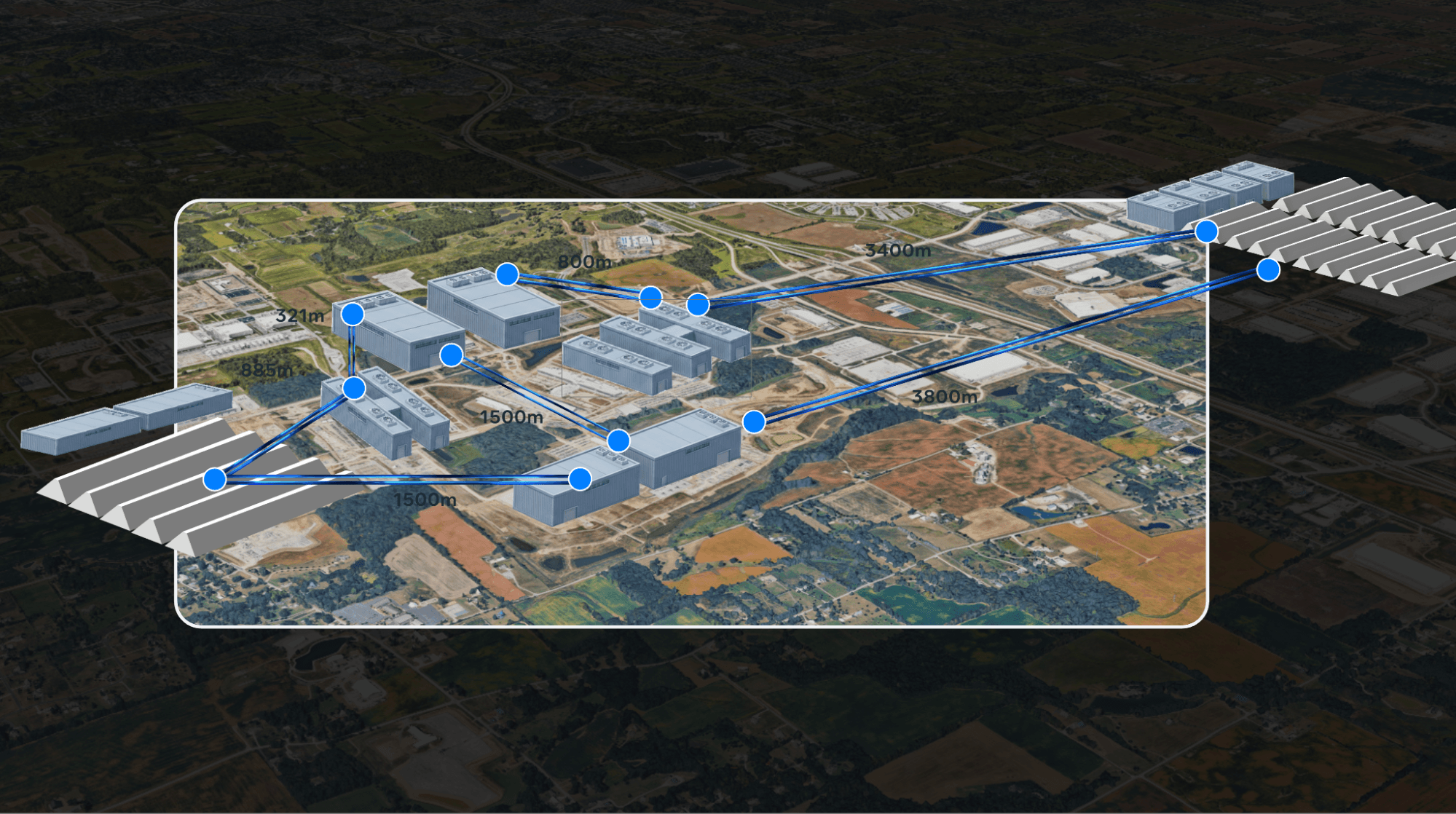
Meta built the Prometheus gigawatt‑scale supercluster, targeting around one million GPUs and employing closed‑loop liquid cooling to support its Muse foundational models.
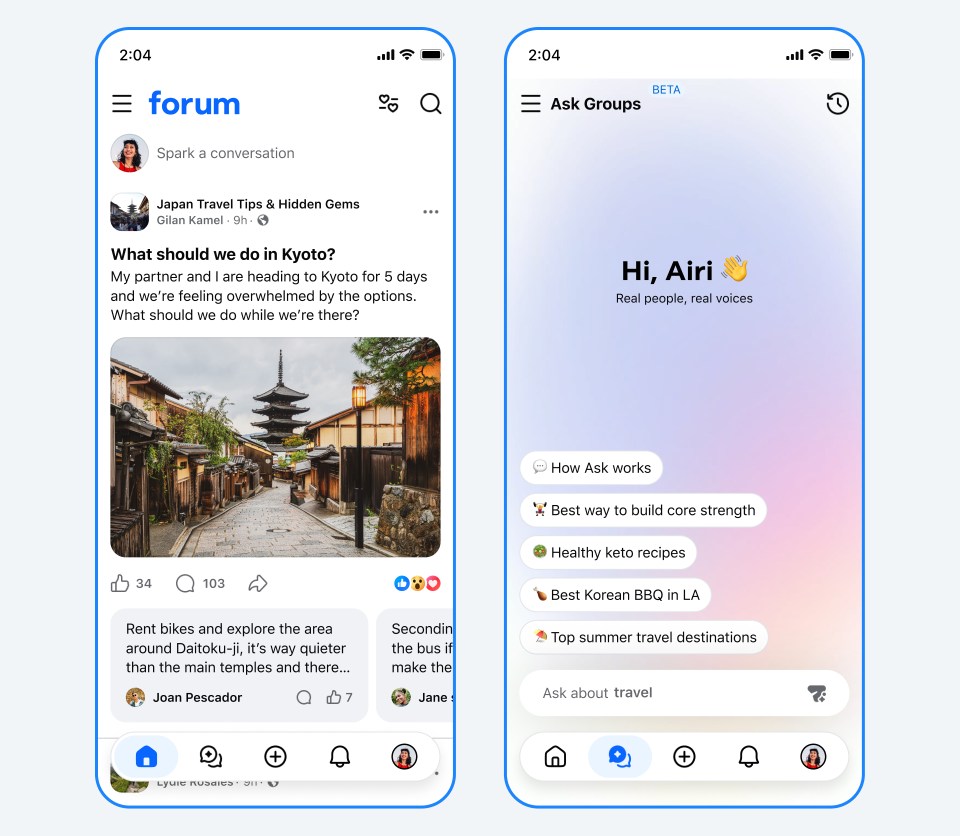
Meta built the Forum app by integrating an AI agent into its development workflow, enabling deeper conversation experiences in Facebook groups.
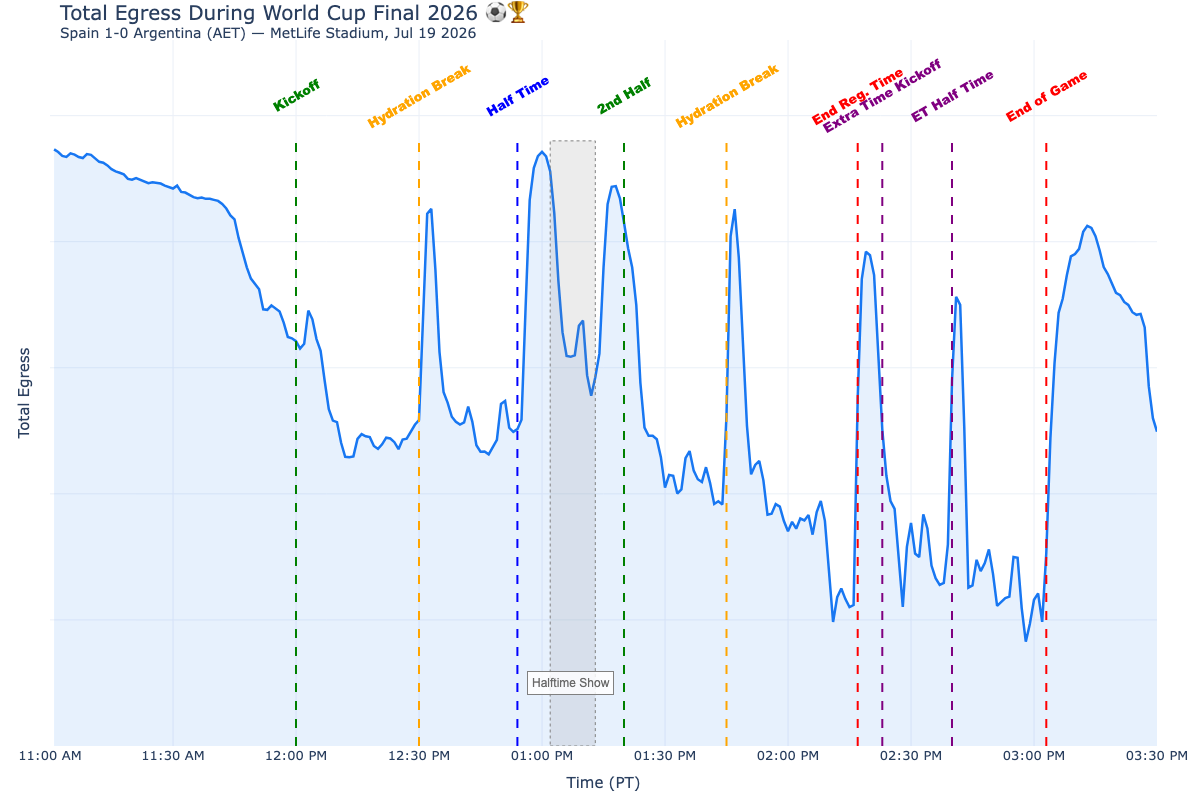
Meta described how its infrastructure handled record traffic during the 2026 World Cup, highlighting scalability and reliability improvements.
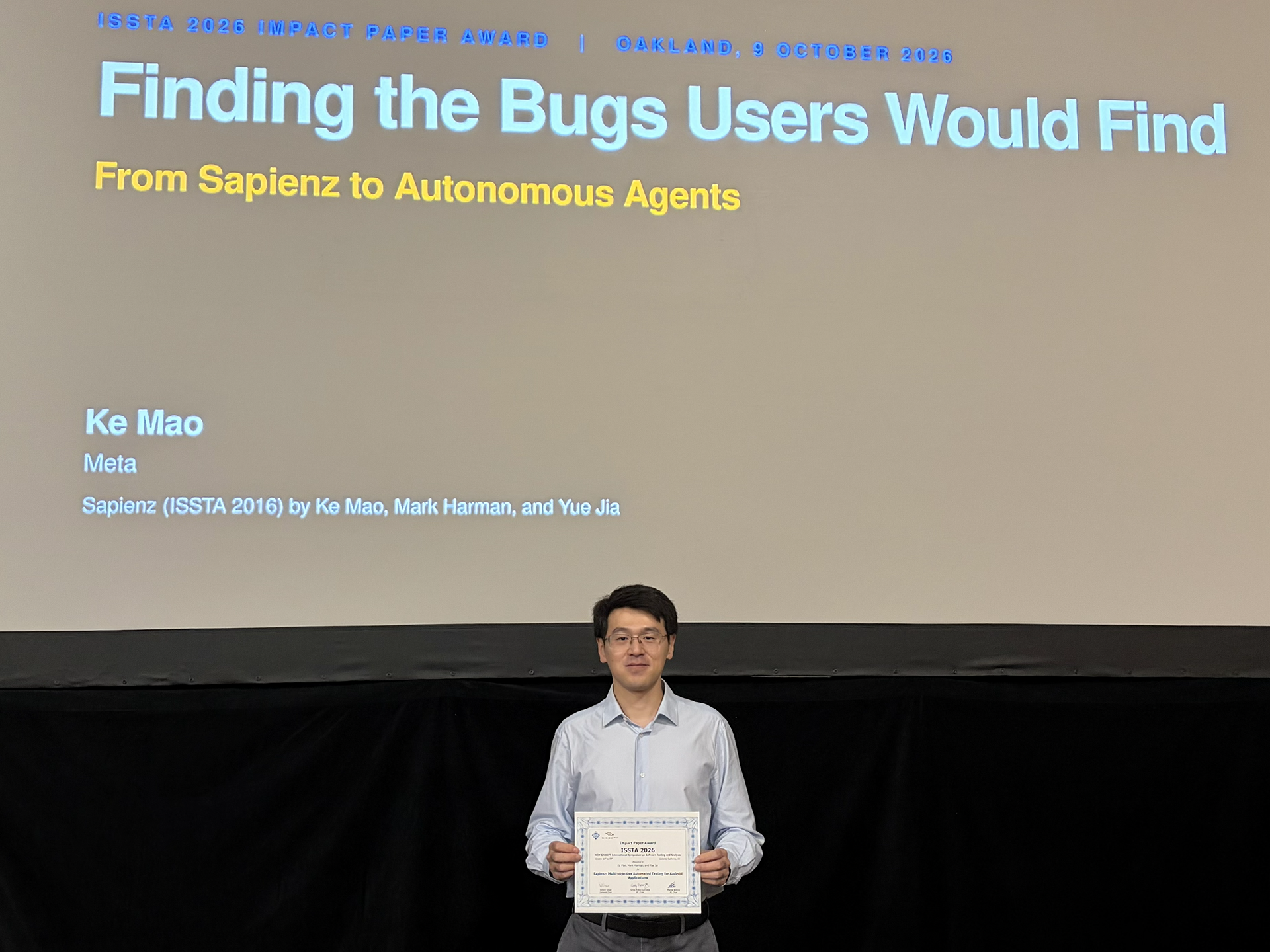
Meta highlighted that Sapienz, a multi‑objective automated Android testing tool, received the ISSTA 2026 Most Influential Paper Award.
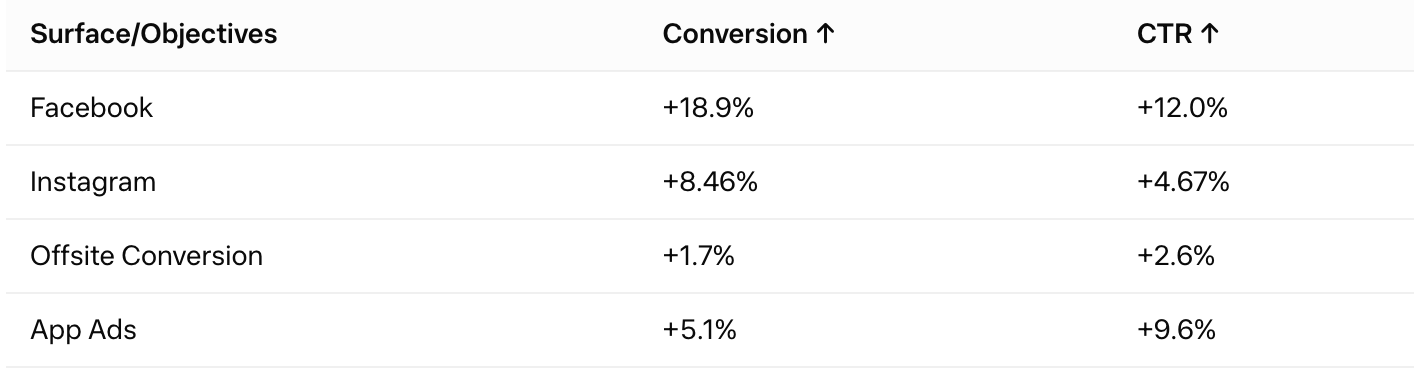
Meta scaled its Generative Ads Model (GEM), the largest recommendation‑system foundation model, by expanding compute and intelligence transfer with next‑generation hardware and extending the model across the entire ads ecosystem.
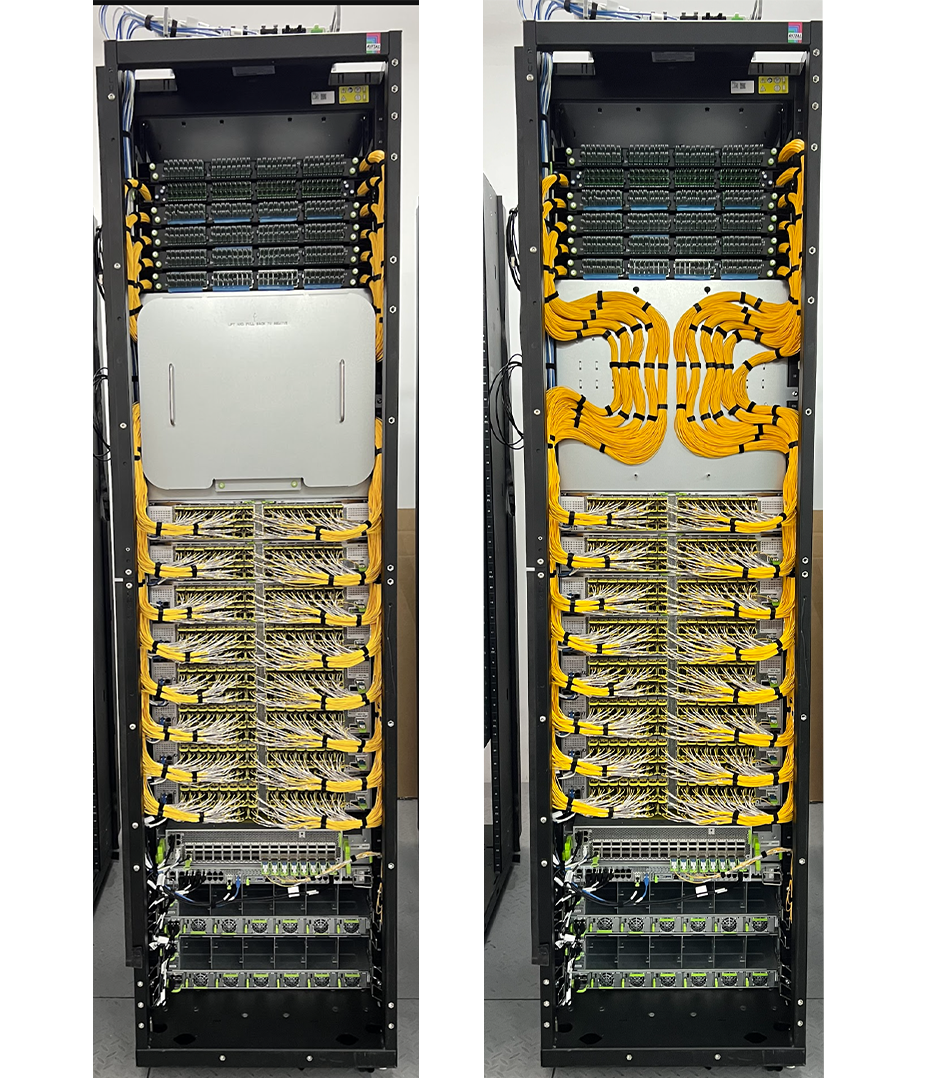
Meta built next‑generation open networking hardware, including a liquid‑cooled rack (IcePack), a 102.4 T switch platform (IceCube), Flattened Planar Fabric, and the MetaRoCE AI transport protocol.
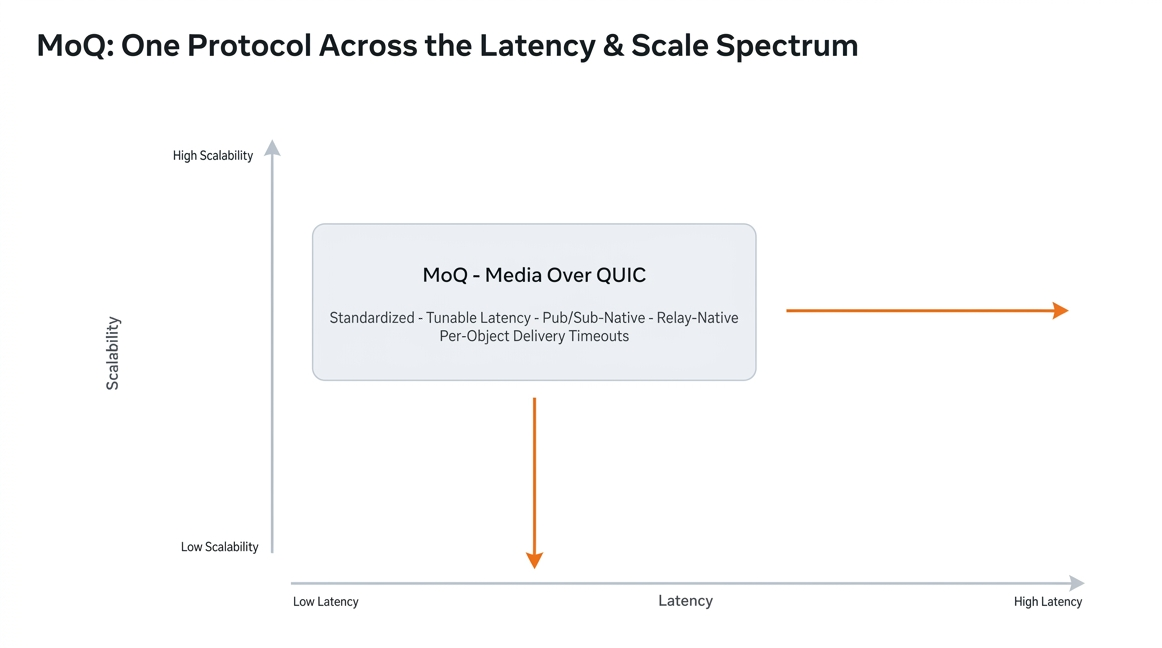
Meta built a Media over QUIC (MoQ) deployment for Instagram Live ingest, simplifying the streaming protocol stack and improving live video experience at scale.