Shopify
 AWS Architecture
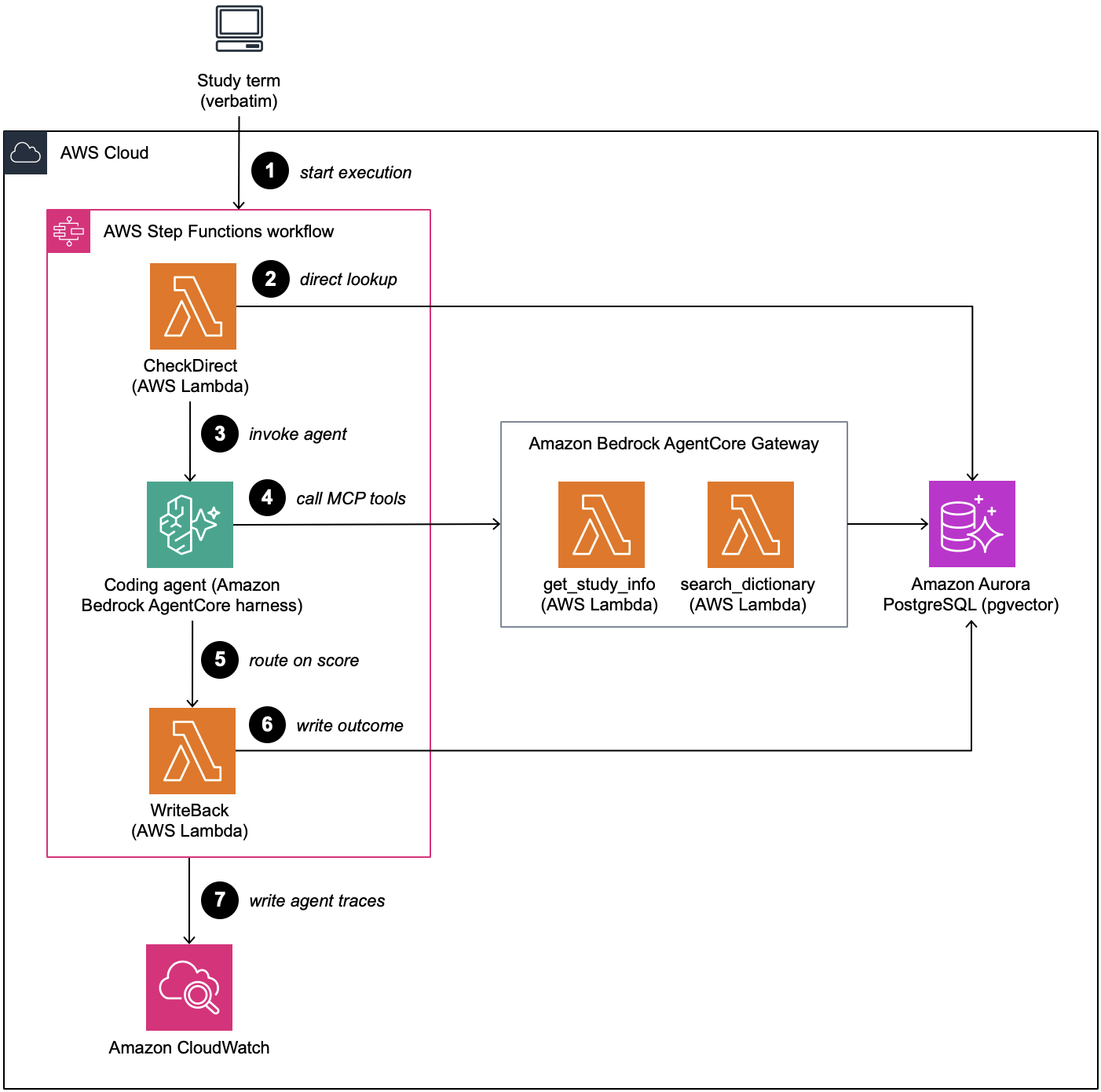
 combined Step Functions with Amazon Bedrock AgentCore to orchestrate a medical coding workflow that uses deterministic steps first and invokes an AI agent only for judgment‑heavy terms, keeping routing auditable.
Company blogs
Engineering and data science write-ups straight from the teams at 30 companies. Each one summarised in a line or two and sorted by subject. New posts are added every morning.
Reading the blogs of
Loading posts…
AWS Architecture combined Step Functions with Amazon Bedrock AgentCore to orchestrate a medical coding workflow that uses deterministic steps first and invokes an AI agent only for judgment‑heavy terms, keeping routing auditable.
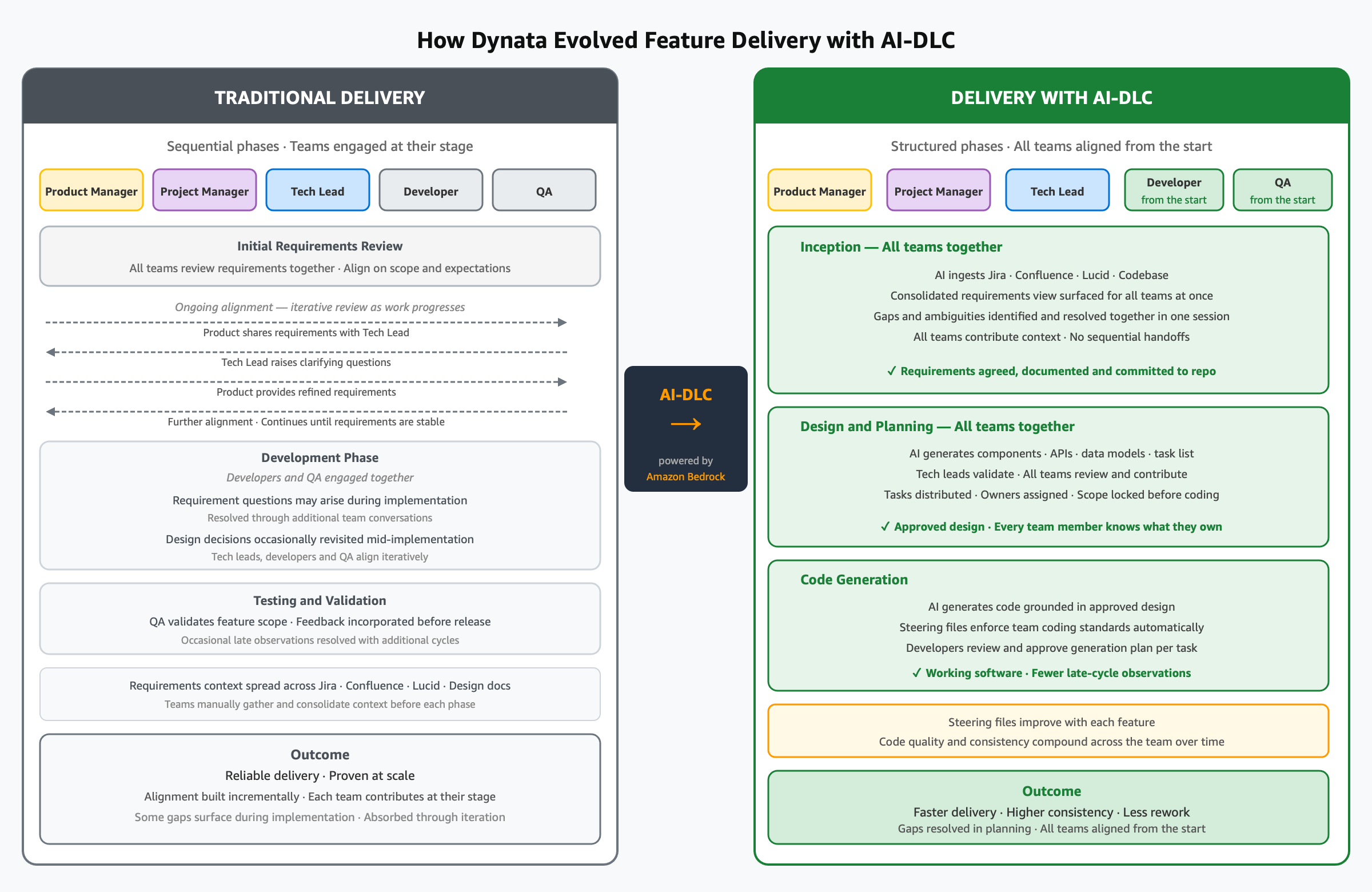
Dynata adopted the AI‑Driven Development Lifecycle and Kiro IDE to scale AI across its development process, cutting feature development from three‑four sprints to about one.
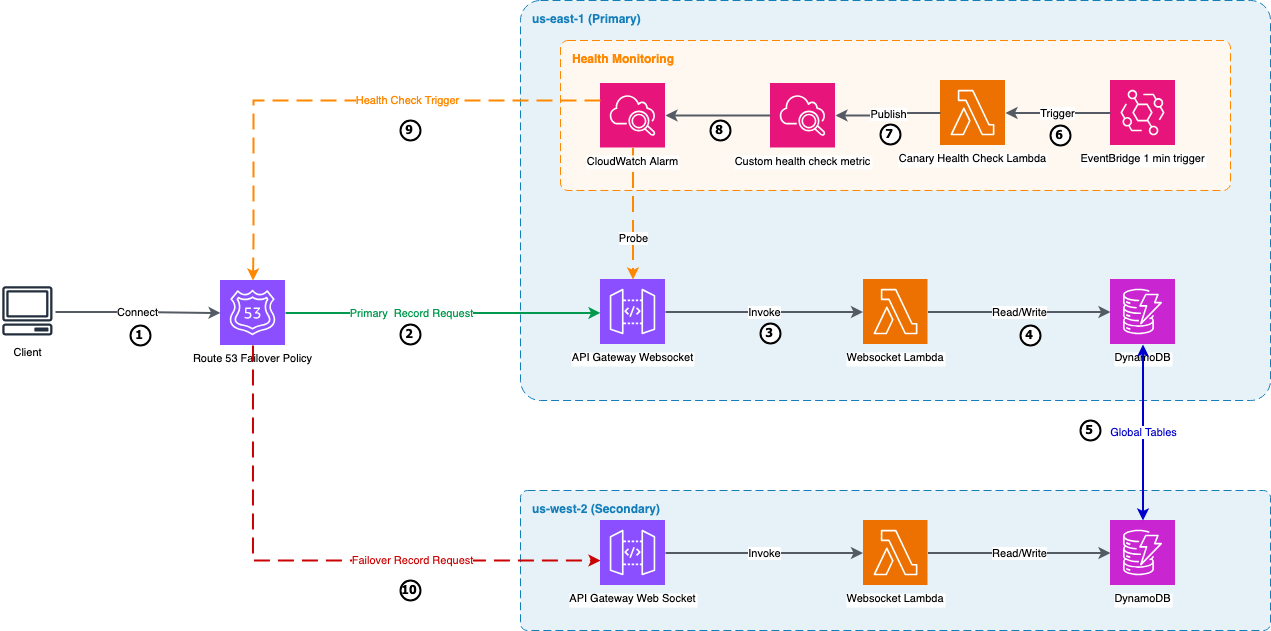
AWS Architecture built a multi‑region disaster recovery pattern for Amazon API Gateway WebSocket APIs using Route 53 failover, DynamoDB Global Tables, a canary health probe and client‑side reconnection to automatically restore sessions during a regional failover.
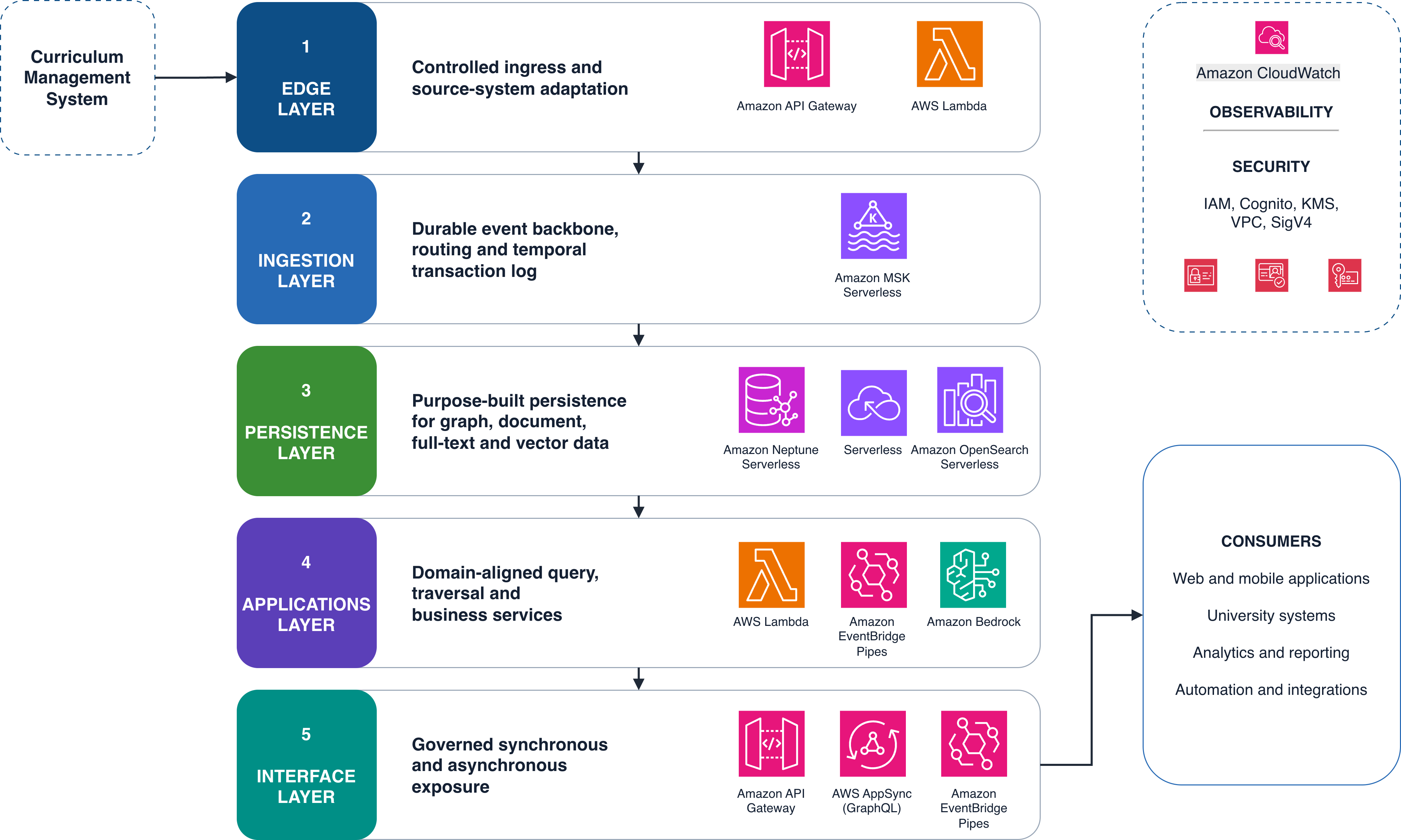
AWS Architecture enabled the University of Technology Sydney to create a governed, reusable curriculum data services foundation on AWS, exposing data via APIs, graph traversal, semantic search and event delivery while keeping the source system authoritative.
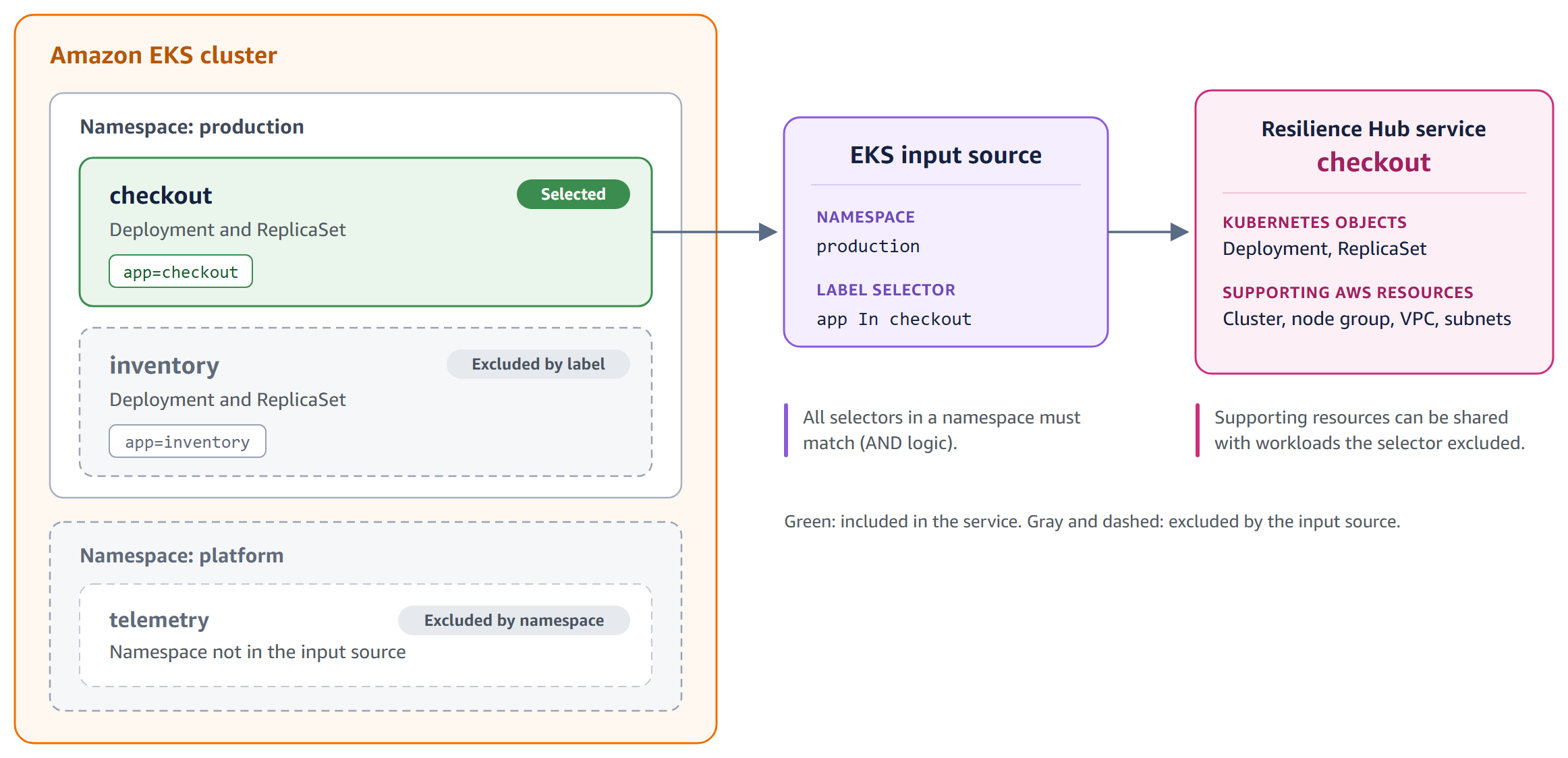
AWS Architecture added EKS label support, generative AI‑powered Dependency Insights and organization‑wide policy sharing to AWS Resilience Hub, helping keep workload scope and resilience requirements aligned with the running environment.
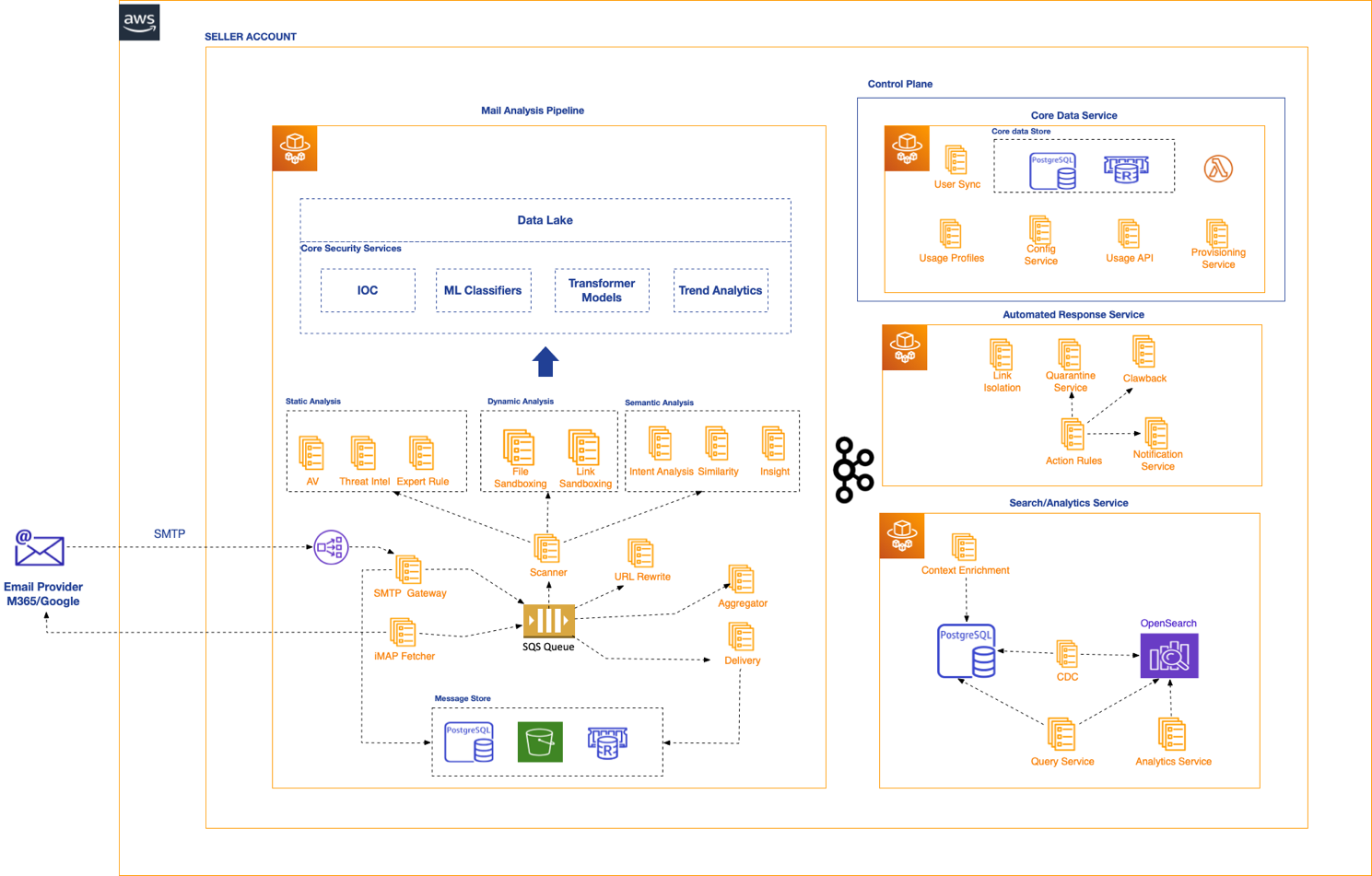
AWS Architecture shows how VIPRE Security built an AI‑powered email security solution on AWS using machine learning, serverless ECS, SQS and S3 to detect and block business email compromise in real time without MX record changes.
AWS Architecture built a Bulk Executor tool for Amazon DynamoDB using AWS Glue, detailing design tradeoffs, surprises, and workarounds for bulk tooling on Glue.

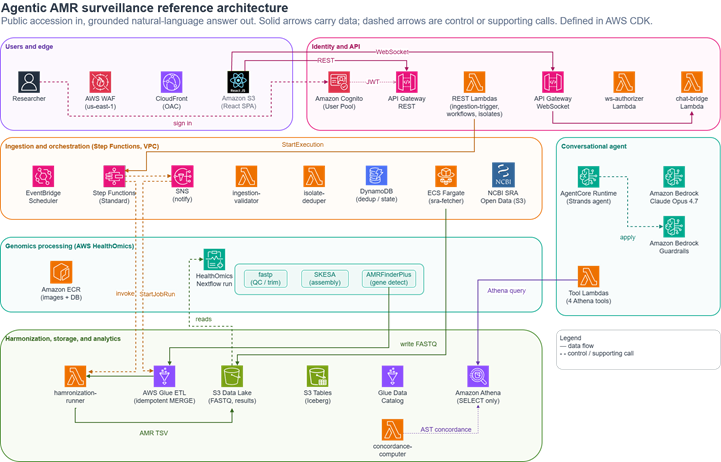
AWS Architecture built a reference architecture that combines AWS HealthOmics and Amazon Bedrock AgentCore to turn public sequencing data into plain‑language answers about antimicrobial‑resistance genes.
AWS Architecture launched the Digital Sovereignty Lens for the Well‑Architected Framework to guide design of sovereign workloads on AWS.

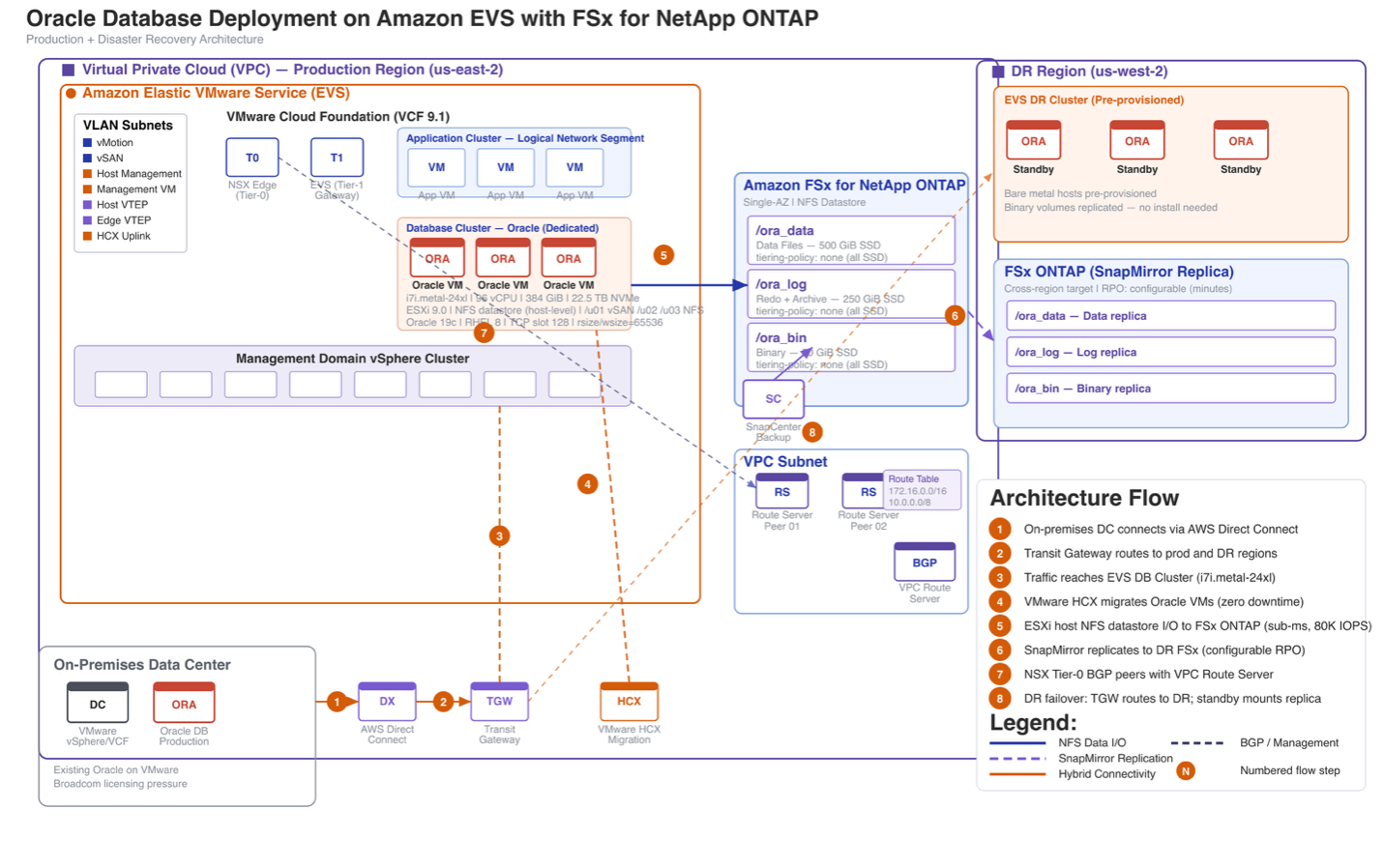
AWS Architecture provides step‑by‑step instructions to deploy Oracle Database on Amazon EVS with FSx for NetApp ONTAP as an NFS datastore.

AWS Architecture describes how to architect a highly available Oracle Database on Amazon EVS and FSx for ONTAP using bare‑metal instances, vSAN tiering, NSX networking, and cross‑region SnapMirror.
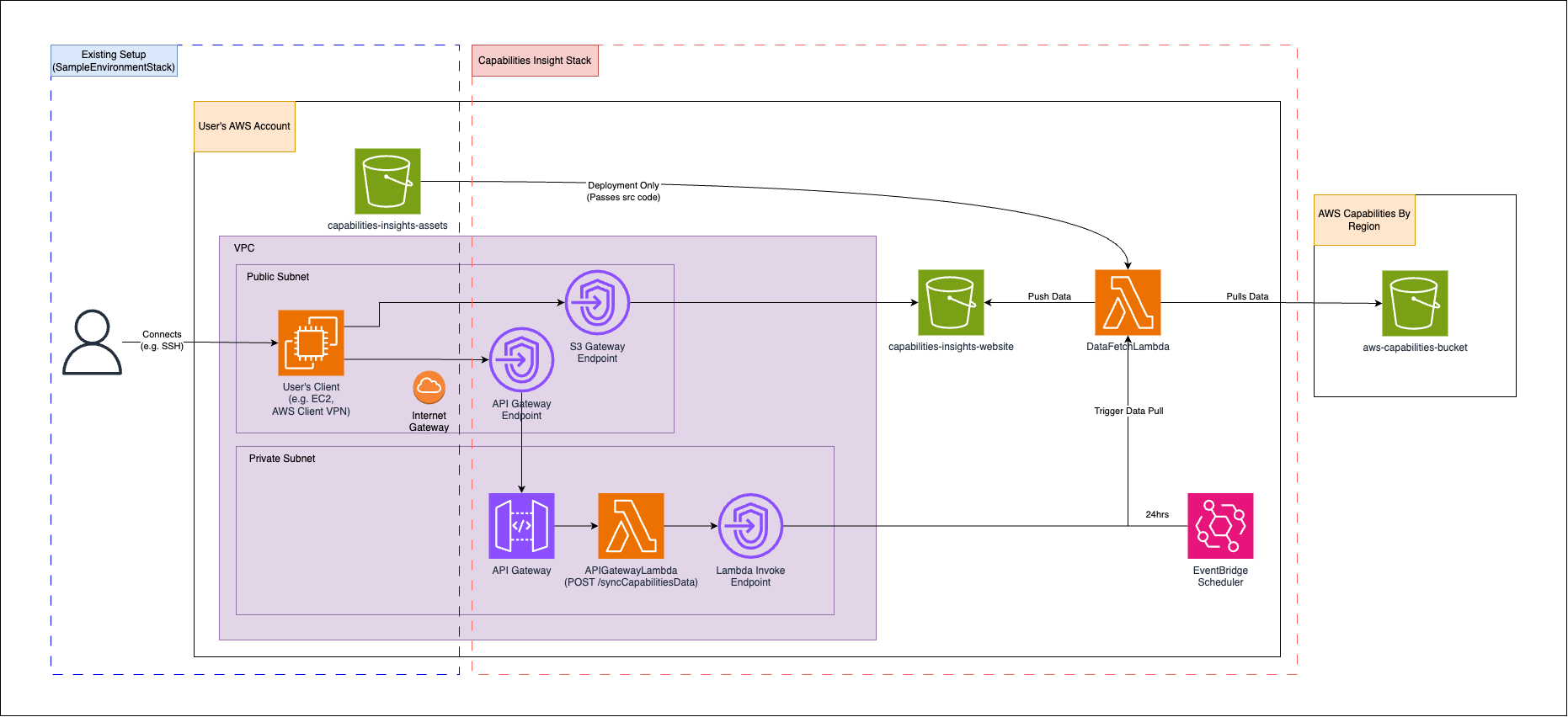
AWS Architecture shows how to deploy self‑hosted regional availability dashboards and workload analysis tools inside a VPC.
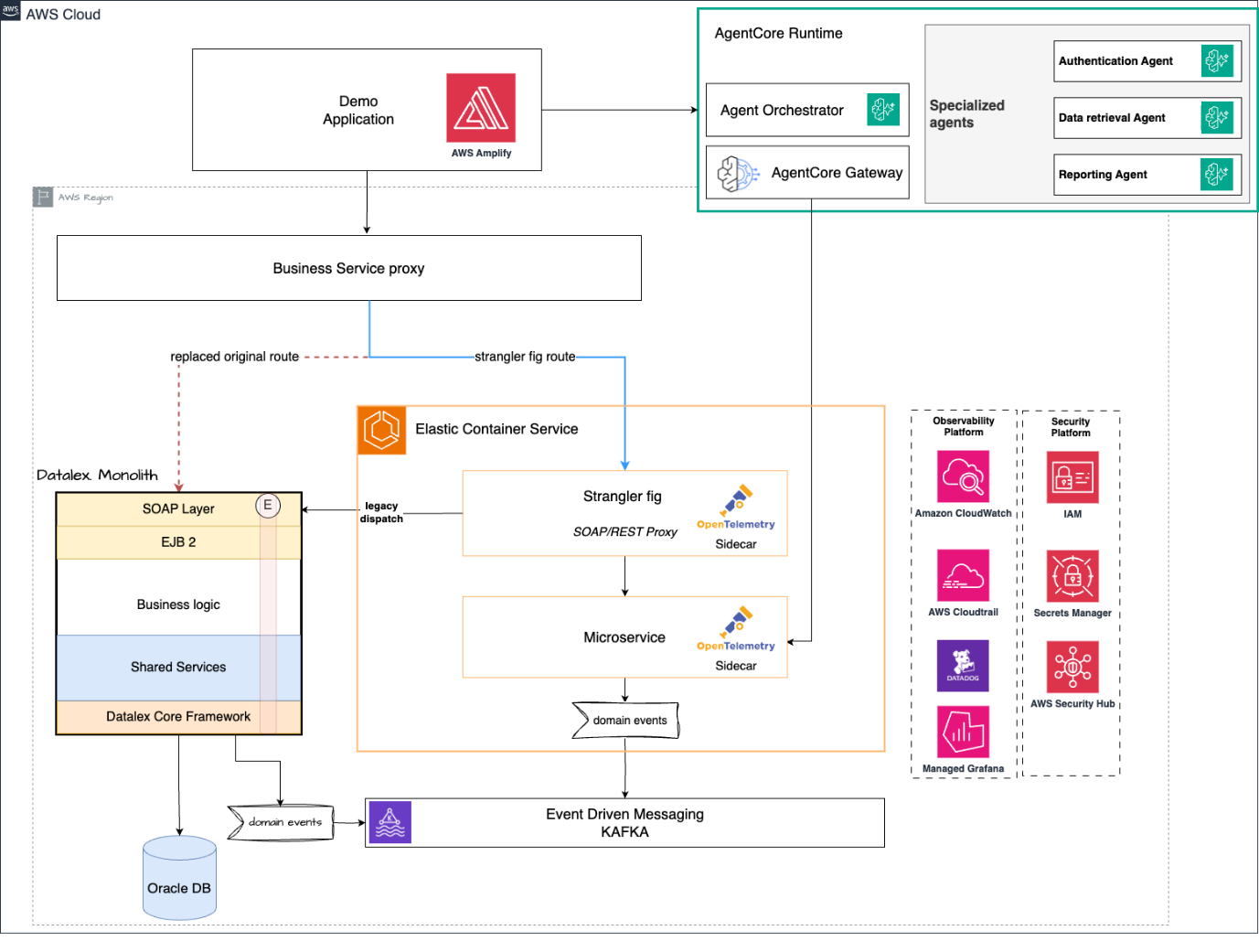
AWS Architecture helped Datalex modernize by migrating a core reservation component from EJB/Java 8 to Spring Boot/Java 21, adding a secure CI/CD pipeline, observability, and agentic AI integration.
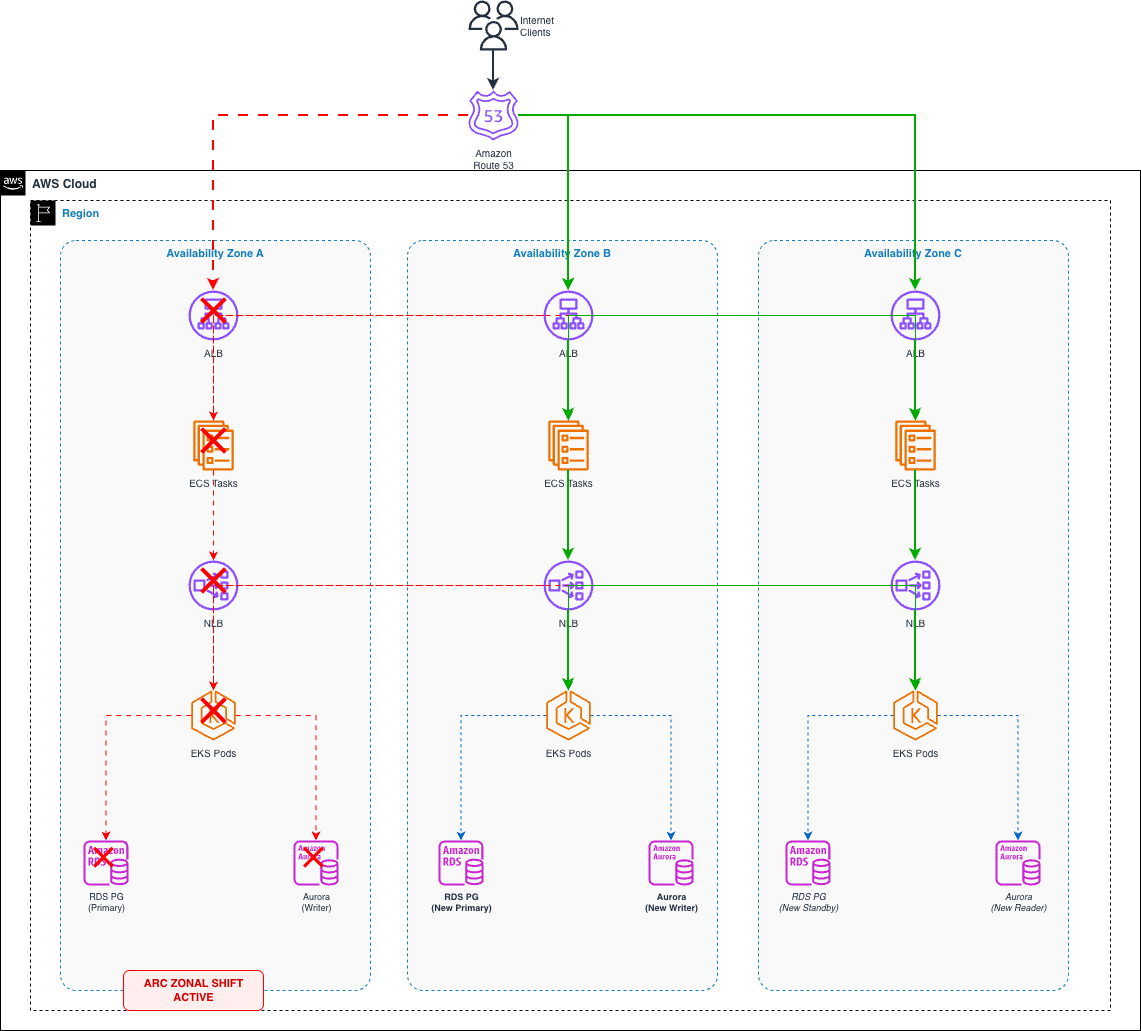
AWS Architecture detailed how to run a multi‑day (48‑72 hour) Availability Zone evacuation drill with ARC Zonal Shift across ECS, EKS, RDS for PostgreSQL, and Aurora PostgreSQL, including CLI steps and metrics.
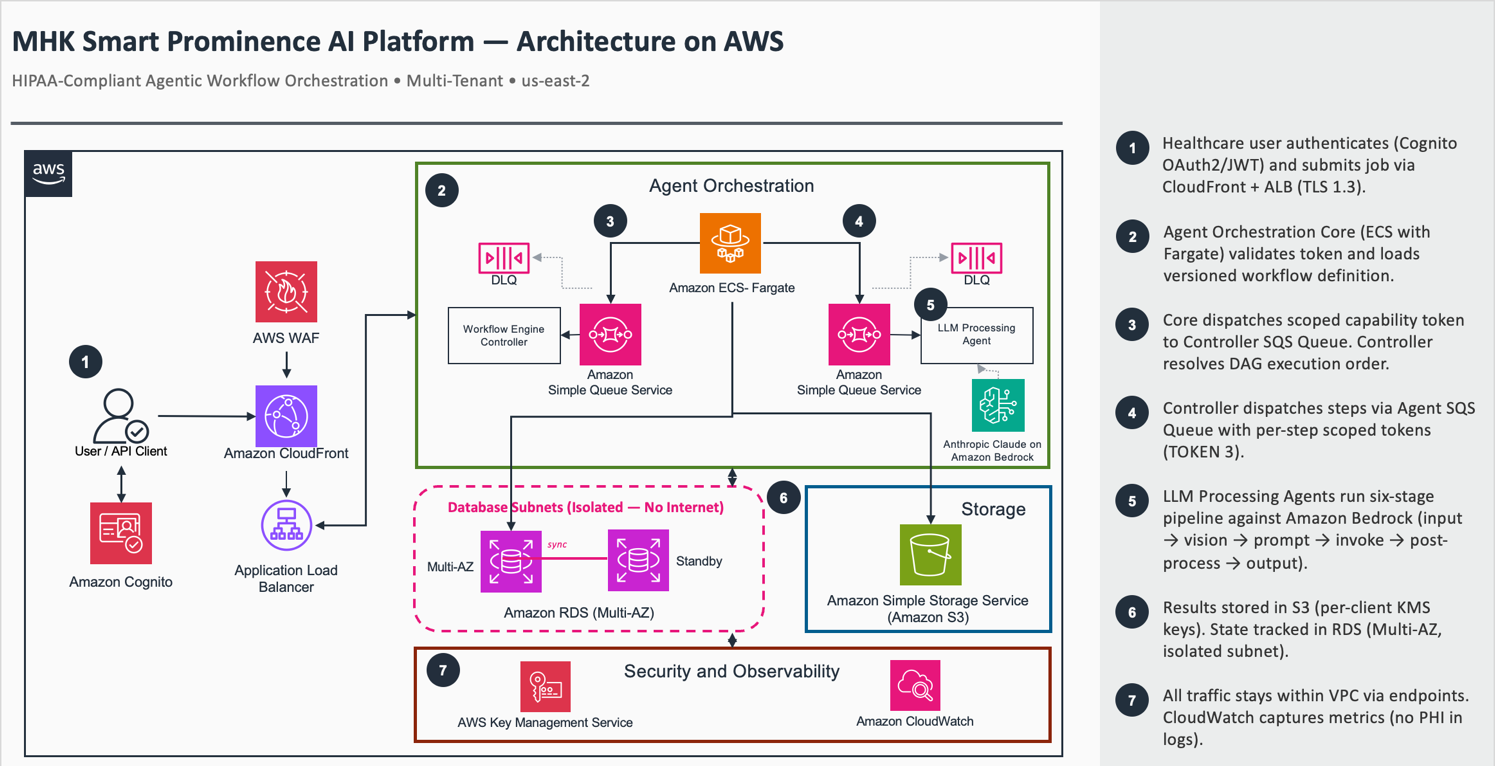
AWS Architecture described how MHK built the SmartProminence AI Orchestrator, a HIPAA‑eligible agentic AI workflow on Bedrock and ECS, reducing manual medical review effort by 90% and cutting feature deployment from months to weeks.
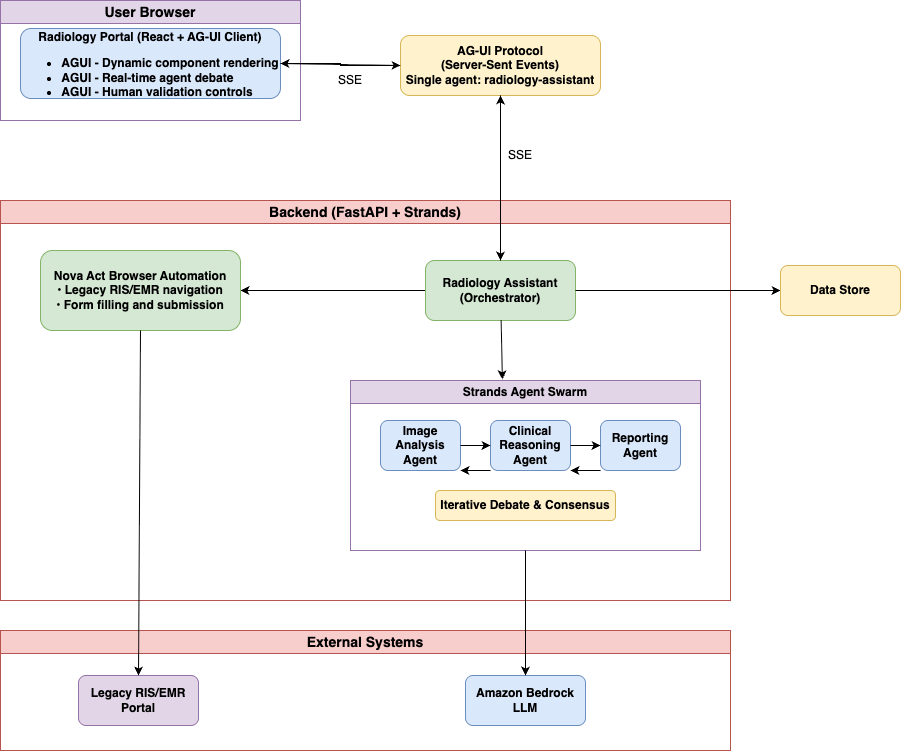
AWS shows how to build adaptive AI interfaces with the AG‑UI protocol, agent swarms via the Strands SDK, and Nova Act for legacy system integration.