 Shopify
 AWS Architecture
Netflix built Quasar, a tool that links proposed Java API changes to actual references in consumer repositories, enabling measurement of a library change’s blast radius.

Company blogs
Engineering and data science write-ups straight from the teams at 30 companies. Each one summarised in a line or two and sorted by subject. New posts are added every morning.
Reading the blogs of
Loading posts…
Netflix built Quasar, a tool that links proposed Java API changes to actual references in consumer repositories, enabling measurement of a library change’s blast radius.
Netflix created single‑tenant Titus, adding VM‑level isolation to its multi‑tenant Kubernetes‑based container platform for stronger tenant separation.

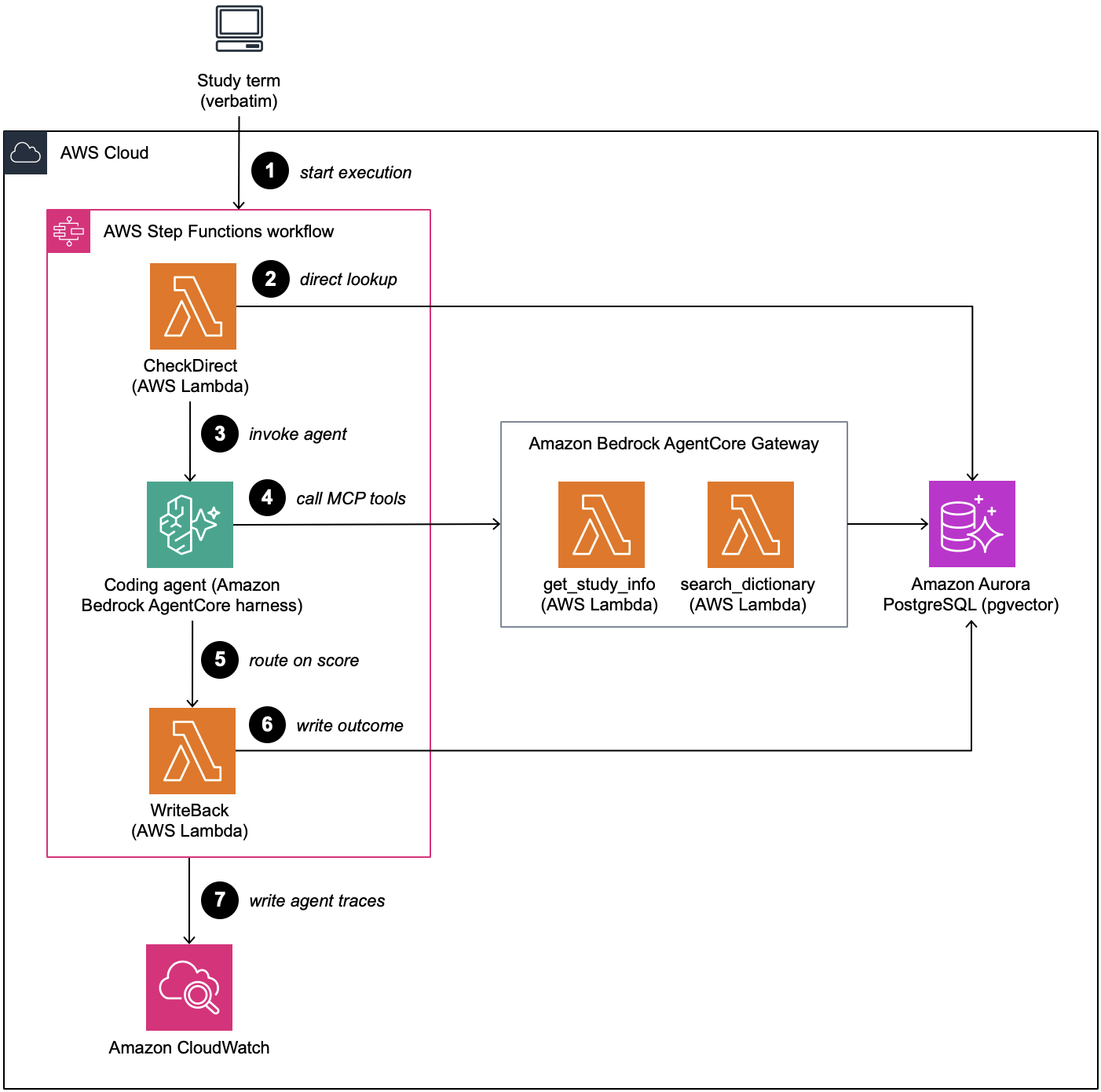
AWS Architecture combined Step Functions with Amazon Bedrock AgentCore to orchestrate a medical coding workflow that uses deterministic steps first and invokes an AI agent only for judgment‑heavy terms, keeping routing auditable.
GitHub moved a copy of 99.99999% of its repositories to Azure, using per‑reference quorums and object storage to let reads scale independently and plan to bring over the rest.

Grab improves Android app stability for its super‑app by implementing a layered defense that addresses increased change volume from AI coding assistants across millions of code lines.

Databricks built MemCurrent, a persistent memory system for production AI agents, enabling state retention across runs.

Razorpay improved deployment reliability by investing in the deployment process, adding safeguards across hundreds of services to prevent incidents.

Shopify rebuilt its exposure scanner with cloud inventory and probing, delivering accurate detection of running configurations missed by the original file‑based scanner.

Pinterest introduced ModuleLens, a tool that visualizes PyTorch modules to help engineers test and debug large distributed recommendation models.

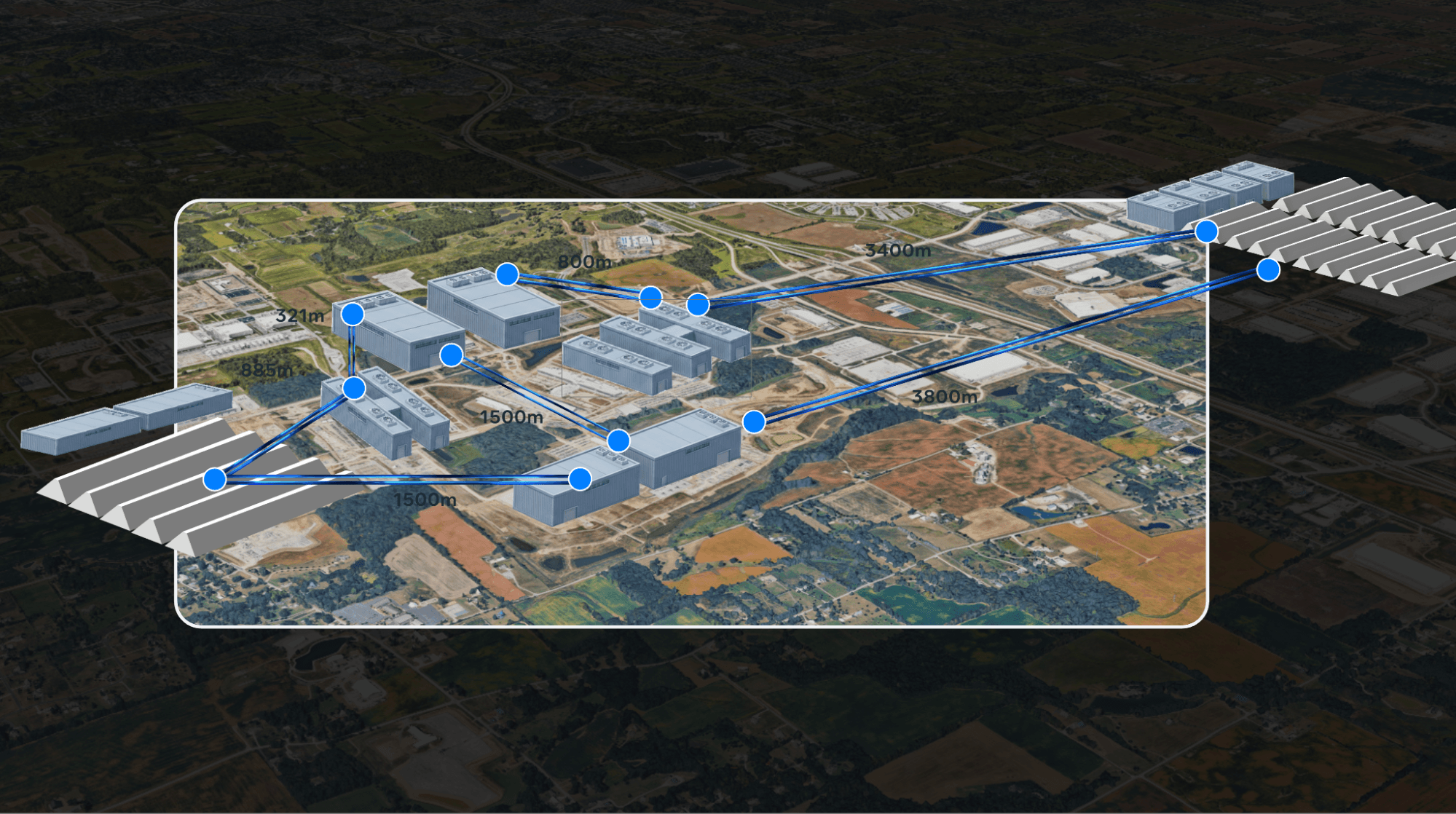
Meta built the Prometheus gigawatt‑scale supercluster, targeting around one million GPUs and employing closed‑loop liquid cooling to support its Muse foundational models.
Hotstar trimmed Kafka telemetry events from 7.5 KB to about 1.1 KB per consumer, eliminating waste and saving roughly $350 K annually.

Netflix built an ontology‑driven observability system that generates an end‑to‑end knowledge graph, providing real‑time insight into billions of requests and logging events at Netflix scale.

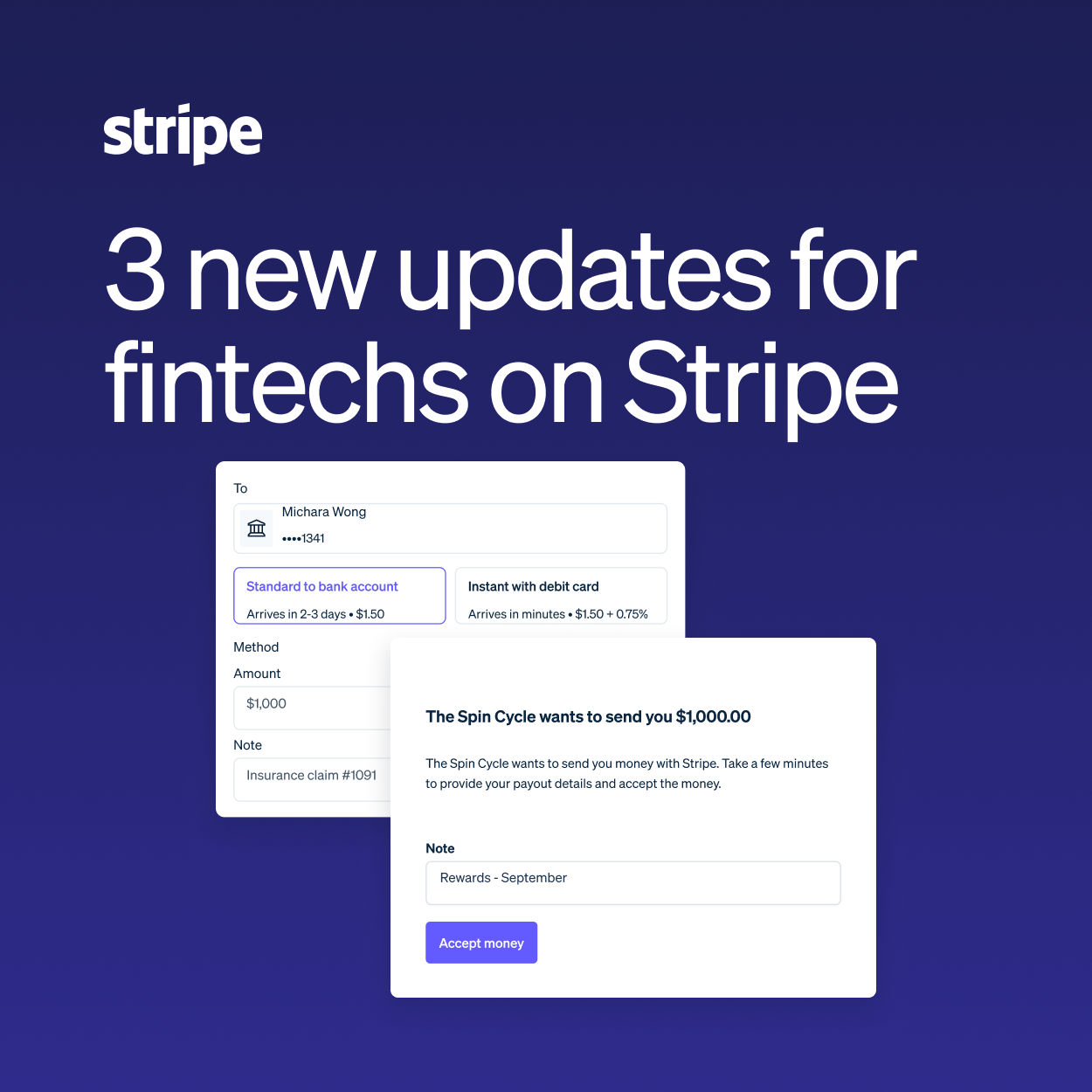
Stripe introduced Global Payouts, expanded stablecoin card support, and unified APIs to simplify fintech product launches and international growth.
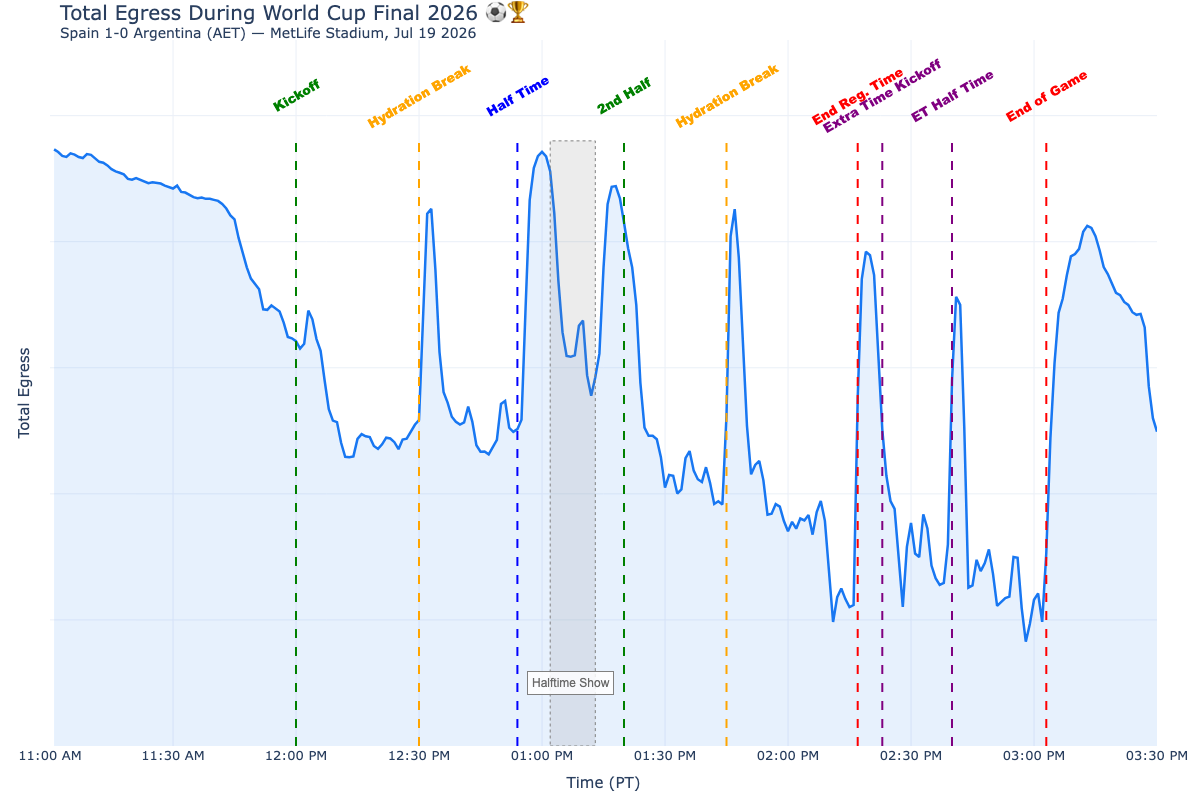
Meta described how its infrastructure handled record traffic during the 2026 World Cup, highlighting scalability and reliability improvements.
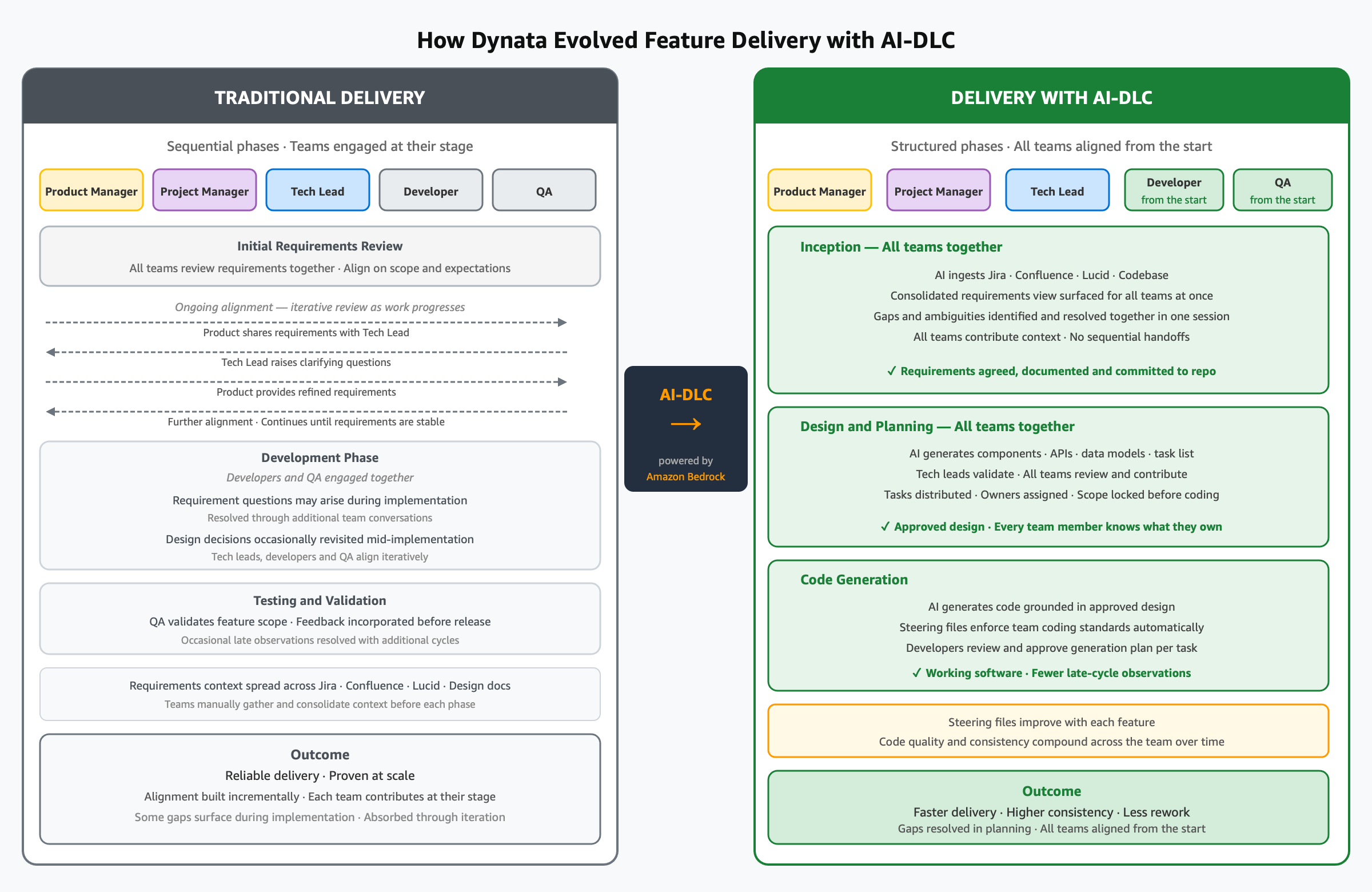
Dynata adopted the AI‑Driven Development Lifecycle and Kiro IDE to scale AI across its development process, cutting feature development from three‑four sprints to about one.
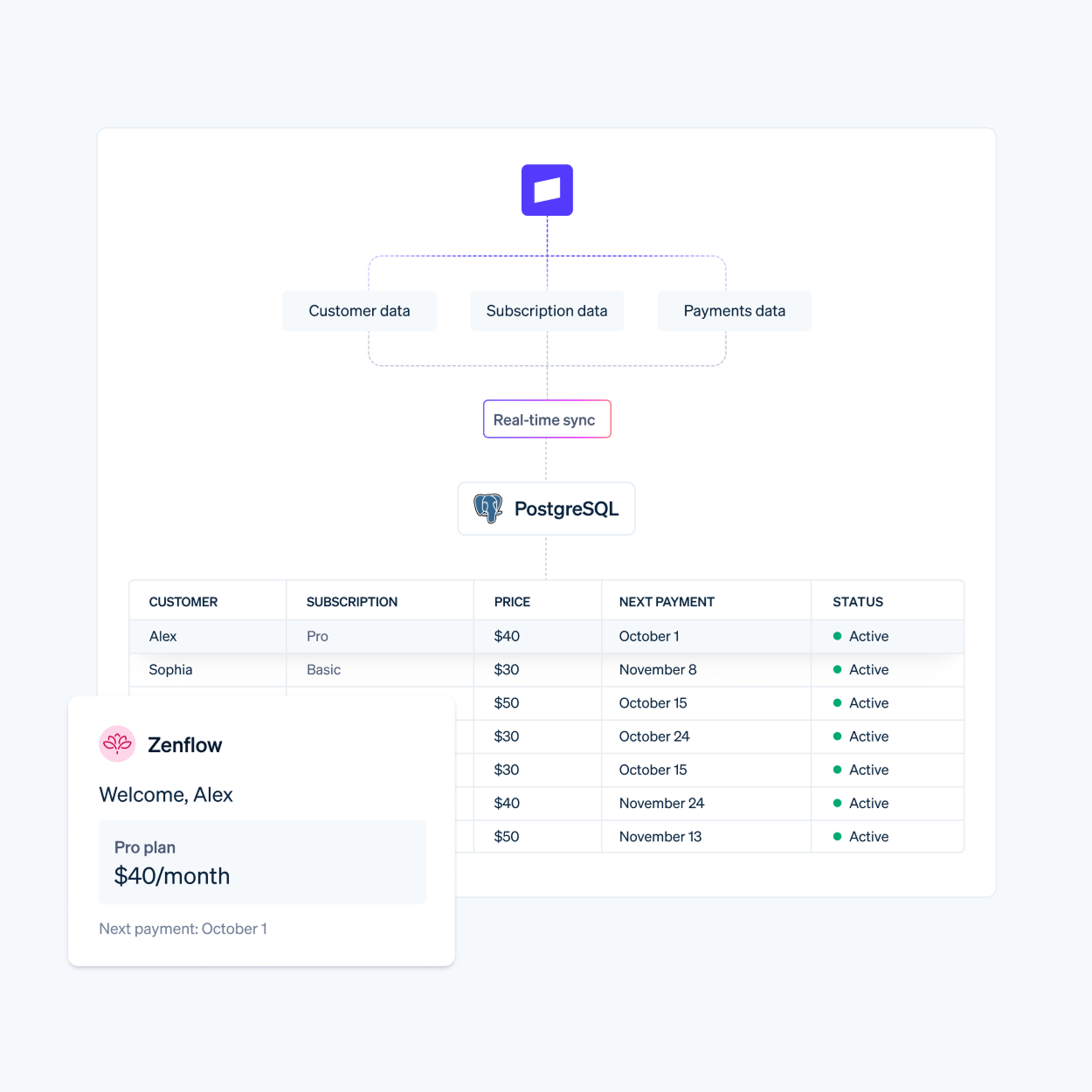
Stripe introduced a real‑time sync that streams Stripe data into Postgres, removing the need for custom integration code.
Netflix expanded its internal Conductor workflow orchestration engine, rebuilding it to support higher scale after discontinuing the open‑source version, enhancing reliability and observability of micro‑service processes.

Netflix created a framework to run multiple Apache Spark experiments in parallel, automating monitoring and result tracking, which accelerated tuning of the member‑sessionizer pipeline at production scale.

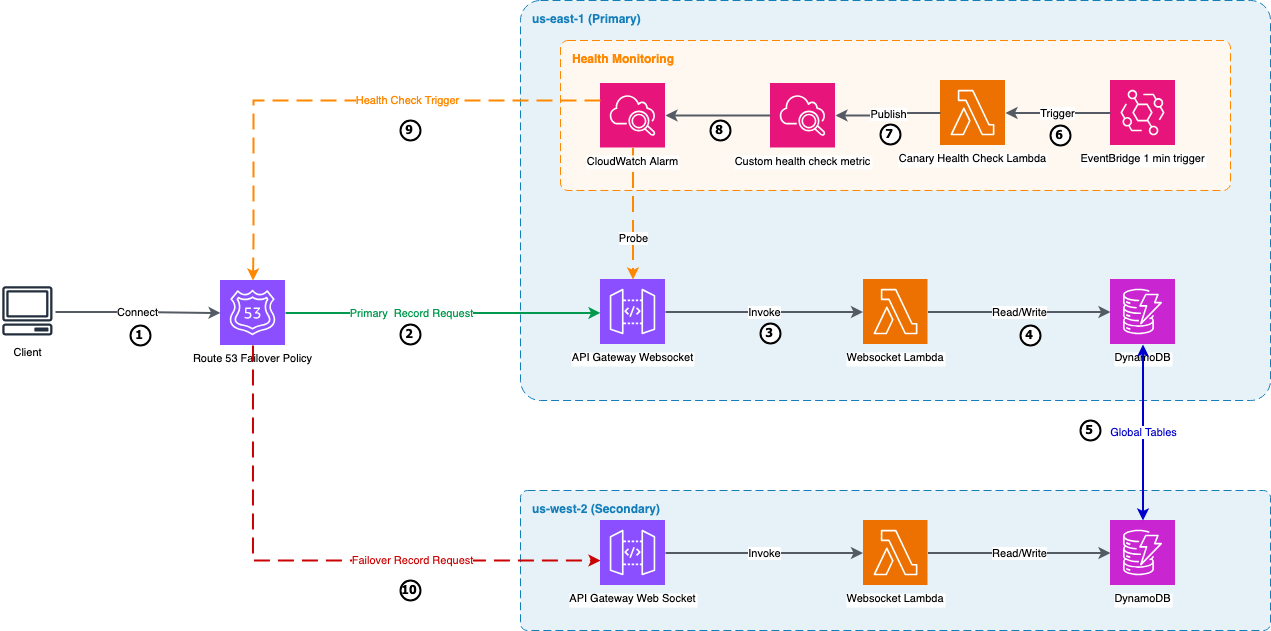
AWS Architecture built a multi‑region disaster recovery pattern for Amazon API Gateway WebSocket APIs using Route 53 failover, DynamoDB Global Tables, a canary health probe and client‑side reconnection to automatically restore sessions during a regional failover.
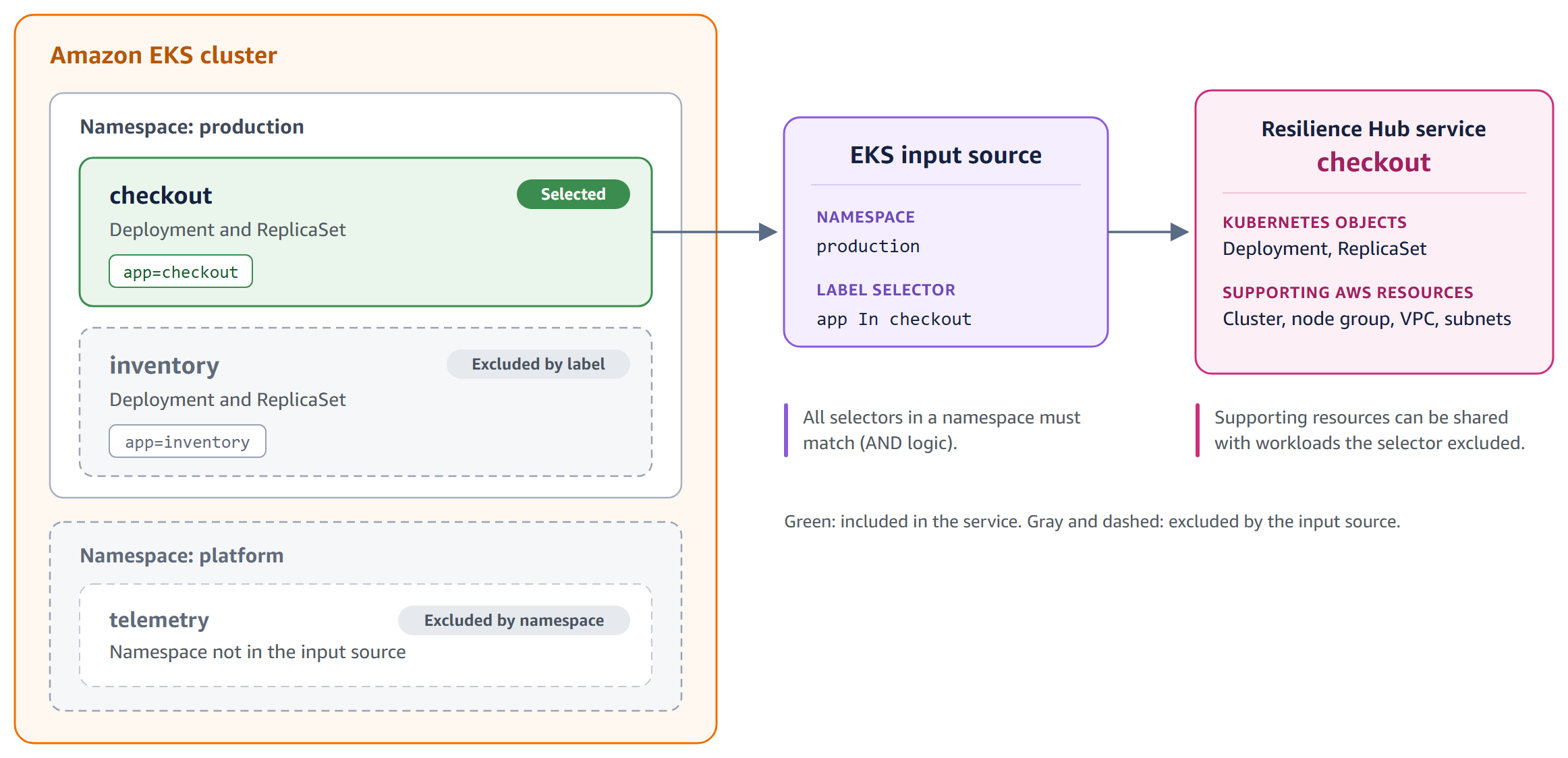
AWS Architecture added EKS label support, generative AI‑powered Dependency Insights and organization‑wide policy sharing to AWS Resilience Hub, helping keep workload scope and resilience requirements aligned with the running environment.
Anthropic migrated to an in‑house version control system over five months to handle a tenfold increase in daily merges, removing a major development bottleneck.

AWS Architecture built a Bulk Executor tool for Amazon DynamoDB using AWS Glue, detailing design tradeoffs, surprises, and workarounds for bulk tooling on Glue.

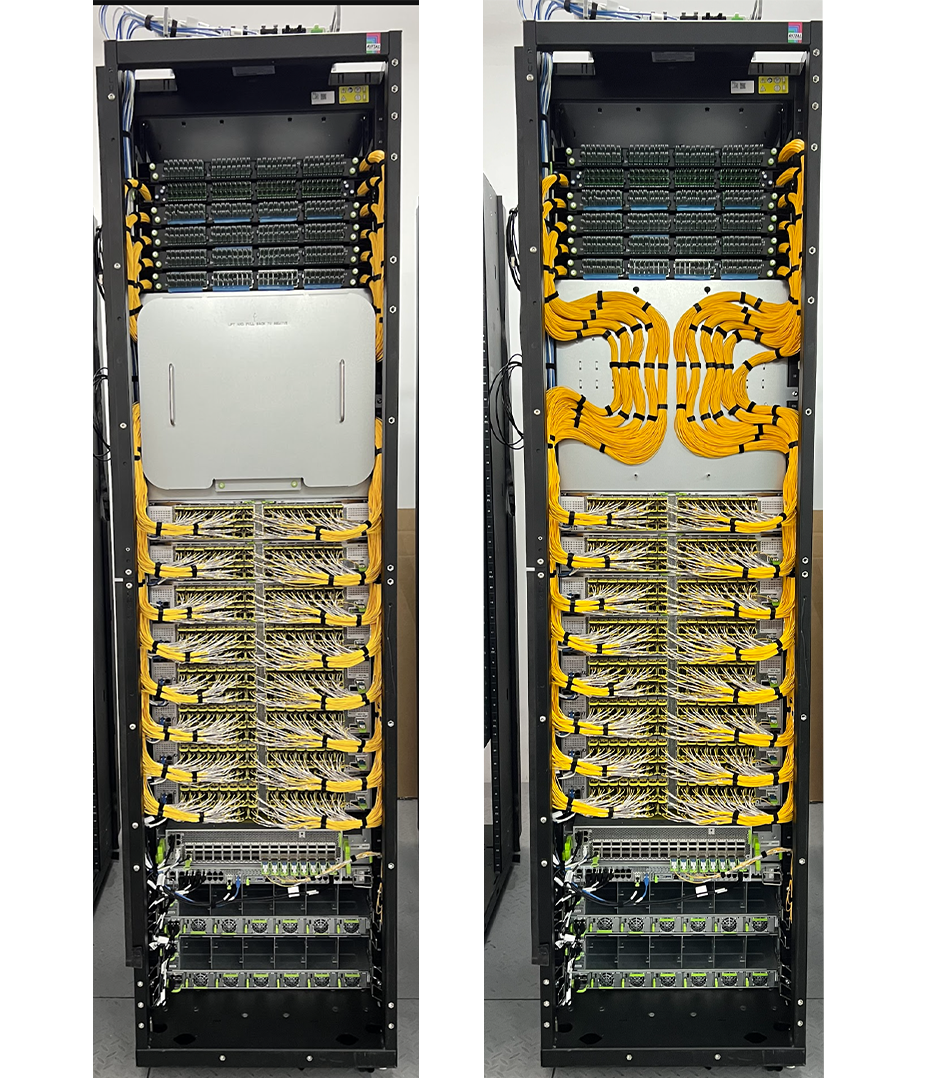
Meta built next‑generation open networking hardware, including a liquid‑cooled rack (IcePack), a 102.4 T switch platform (IceCube), Flattened Planar Fabric, and the MetaRoCE AI transport protocol.
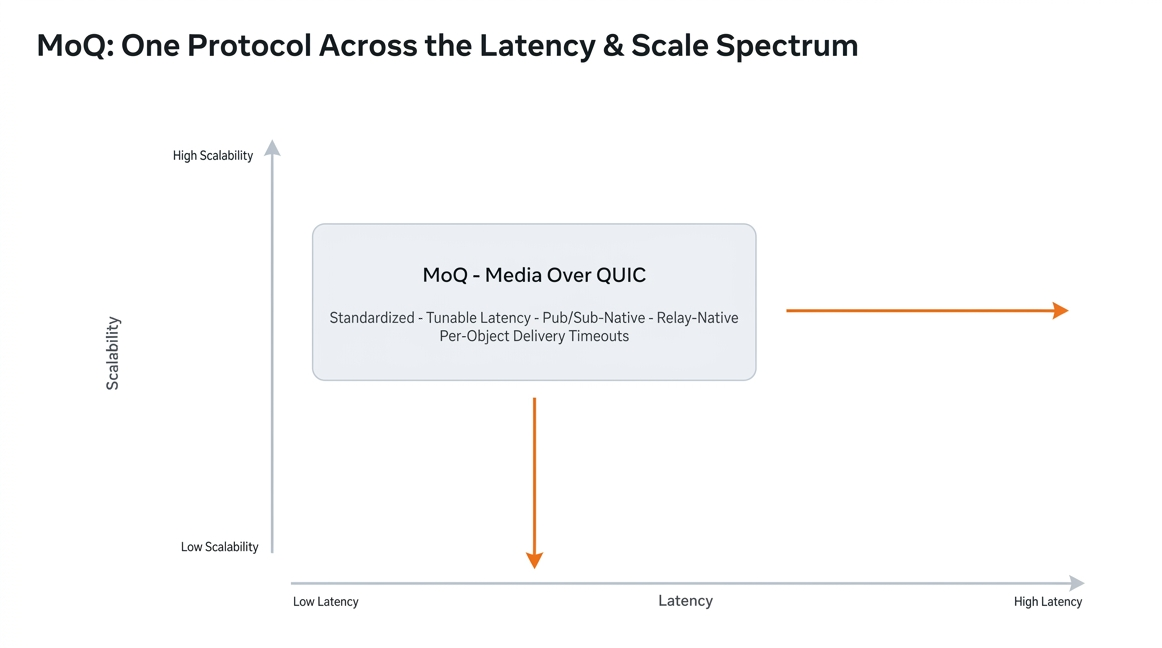
Meta built a Media over QUIC (MoQ) deployment for Instagram Live ingest, simplifying the streaming protocol stack and improving live video experience at scale.
Booking.com migrated its 250 PB Hadoop data lake (500 PB with replication) to a new platform on schedule and without downtime, detailing the architecture and processes that enabled Europe’s largest data lake move.

GitHub is rebuilding its Git infrastructure to support agent‑scale software development while keeping the service operational.

Airbnb built a system that captures real MySQL-compatible database traffic and replays it offline to load‑test, plan capacity, and de‑risk upgrades.

Uber built Odin’s hybrid core allocation that provides dedicated CPU when needed and elastic sharing otherwise, improving scaling efficiency.

AWS Architecture launched the Digital Sovereignty Lens for the Well‑Architected Framework to guide design of sovereign workloads on AWS.

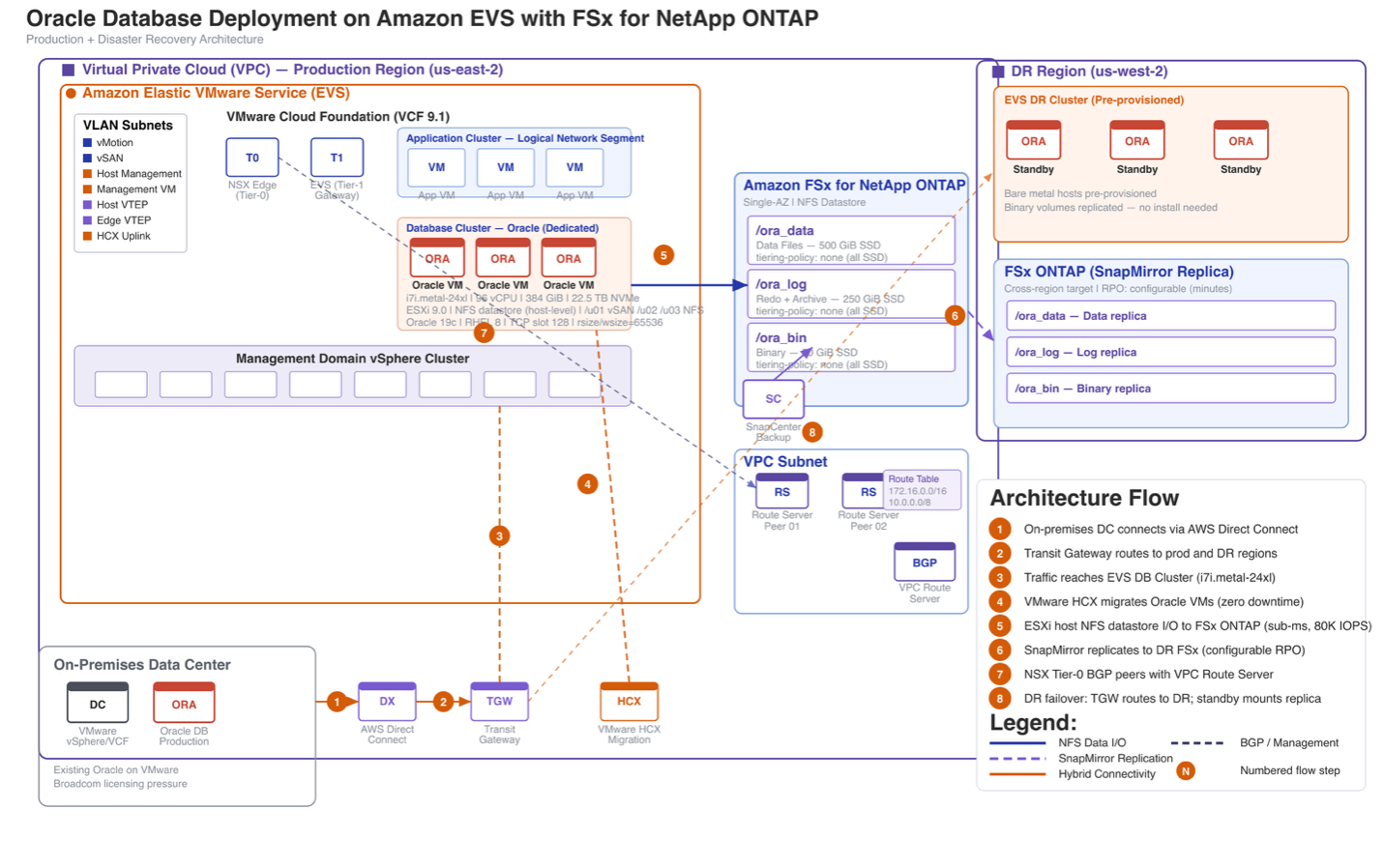
AWS Architecture provides step‑by‑step instructions to deploy Oracle Database on Amazon EVS with FSx for NetApp ONTAP as an NFS datastore.

AWS Architecture describes how to architect a highly available Oracle Database on Amazon EVS and FSx for ONTAP using bare‑metal instances, vSAN tiering, NSX networking, and cross‑region SnapMirror.
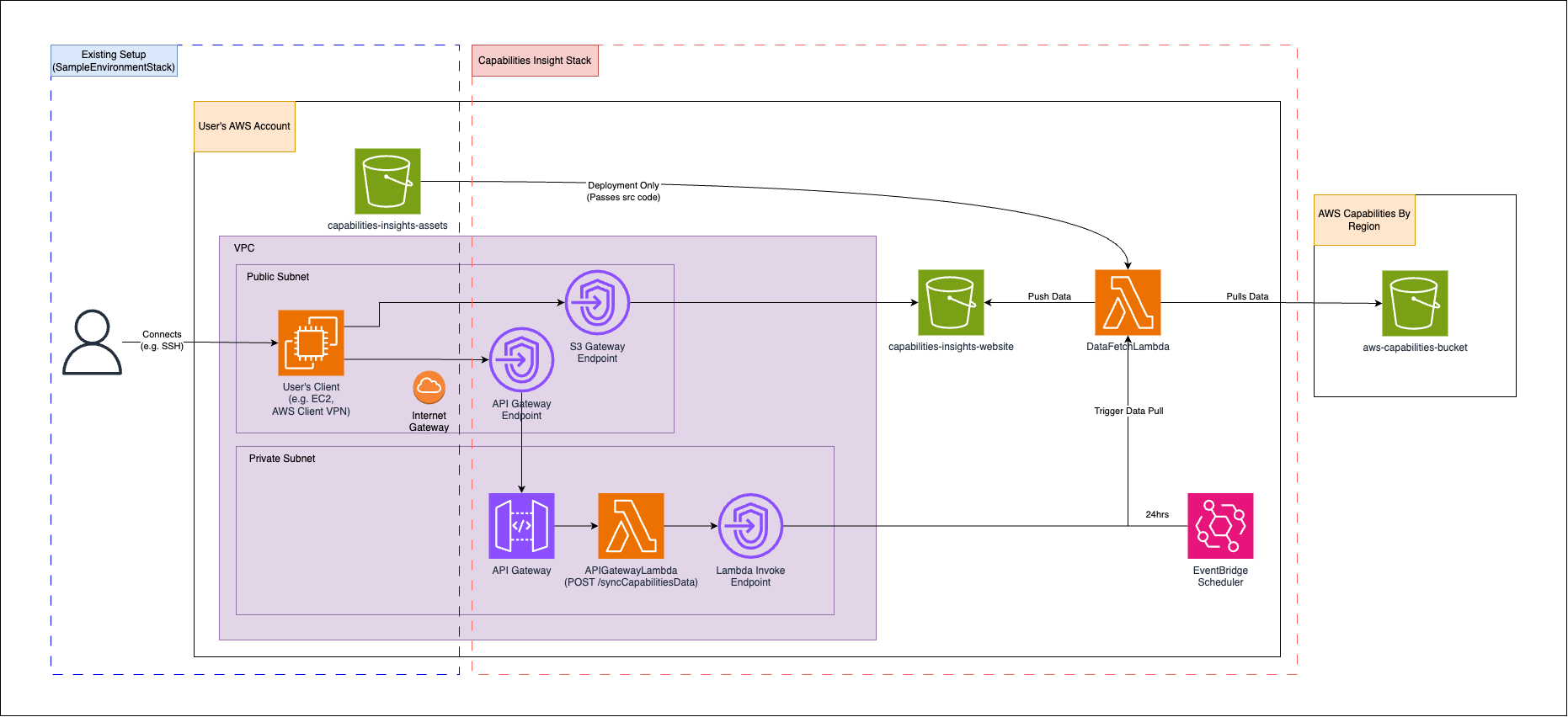
AWS Architecture shows how to deploy self‑hosted regional availability dashboards and workload analysis tools inside a VPC.
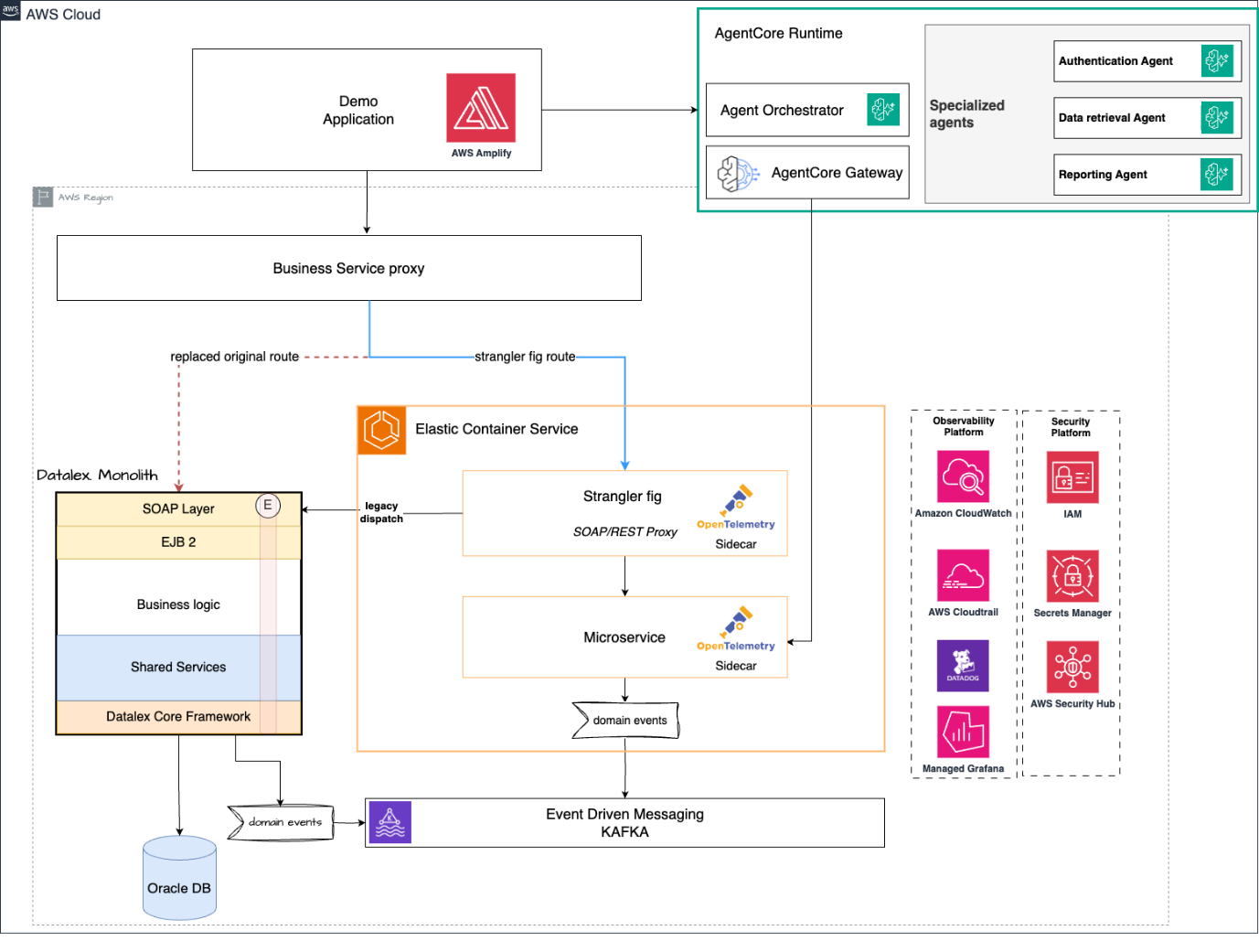
AWS Architecture helped Datalex modernize by migrating a core reservation component from EJB/Java 8 to Spring Boot/Java 21, adding a secure CI/CD pipeline, observability, and agentic AI integration.
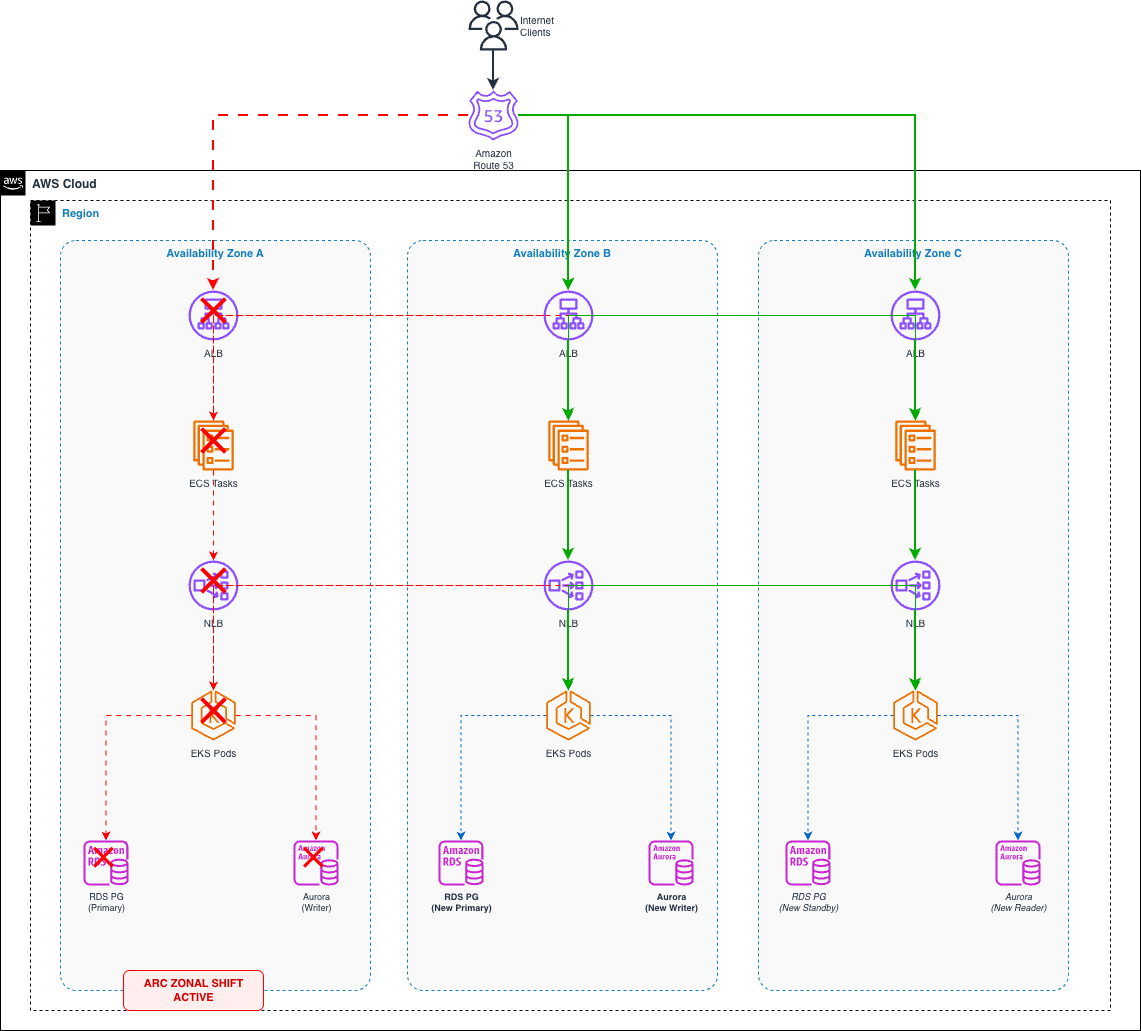
AWS Architecture detailed how to run a multi‑day (48‑72 hour) Availability Zone evacuation drill with ARC Zonal Shift across ECS, EKS, RDS for PostgreSQL, and Aurora PostgreSQL, including CLI steps and metrics.
Uber tuned Go's runtime stack allocation, achieving a 10% CPU utilization gain for a service running on over 2 million cores.

Booking.com re‑engineered its largest Node.js service, cutting compute costs by 38%, using fewer pods, 20% less memory per pod, and reducing latency without code changes.

 Shopify