 Shopify
 AWS Architecture
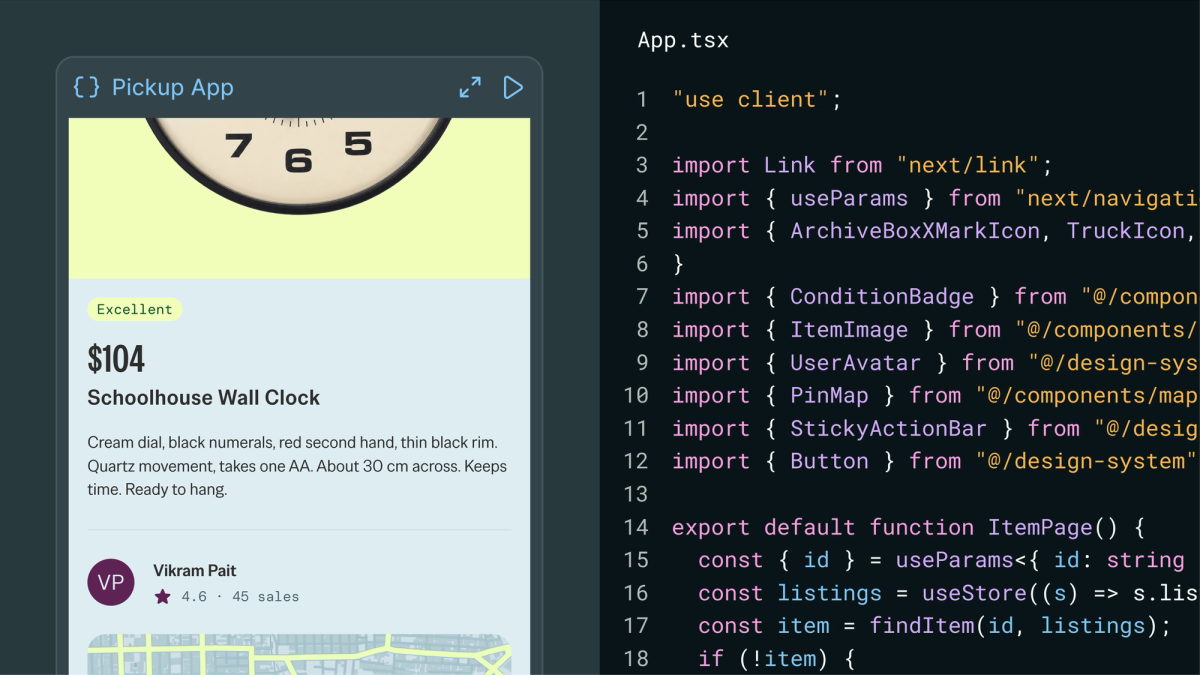
Figma released code layers in open beta, letting teams embed code on the canvas to experiment, align stakeholders, and accelerate development.
Company blogs
Engineering and data science write-ups straight from the teams at 30 companies. Each one summarised in a line or two and sorted by subject. New posts are added every morning.
Reading the blogs of
Loading posts…
Figma released code layers in open beta, letting teams embed code on the canvas to experiment, align stakeholders, and accelerate development.
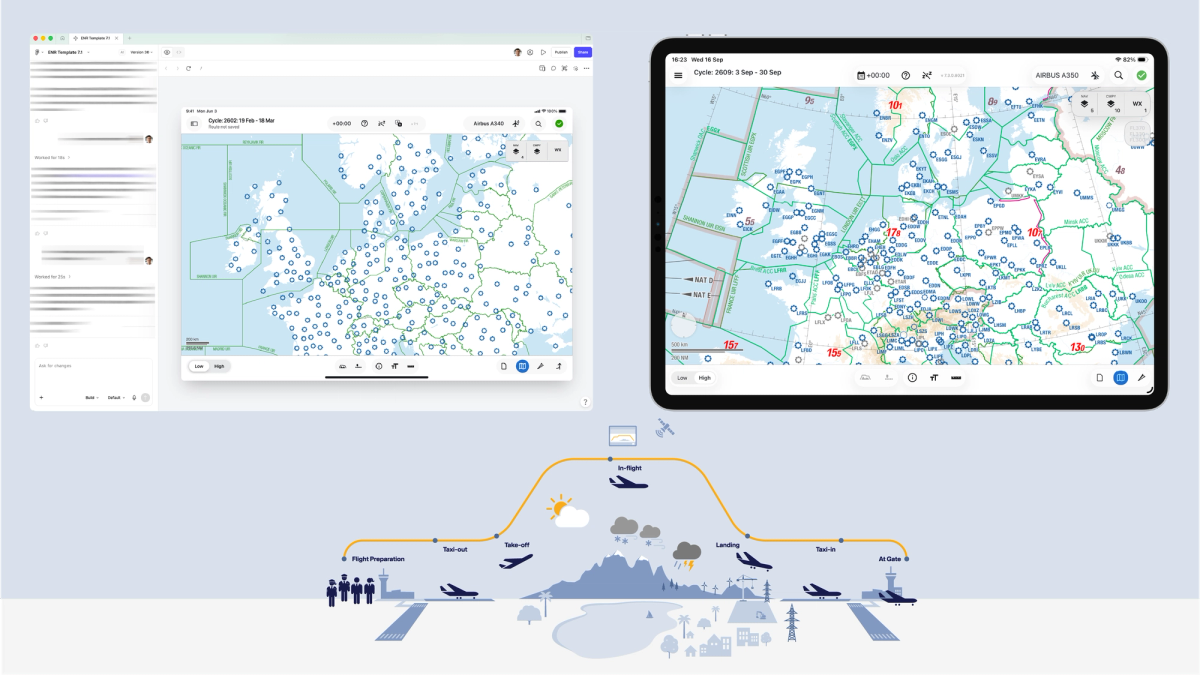
Figma enabled Lufthansa Systems to prototype realistic cockpit maps using Figma Make, allowing dynamic user‑testing of navigation interfaces.
Databricks enabled deployment of RFD4‑Proteina on its platform, offering AI‑assisted development and serverless NVIDIA GPU compute for research data.

Figma shares designer Ben Ganz’s exploration of experimental typography, print, architecture, furniture and fashion to push visual limits.

Figma expanded its presence in India by launching an education program, new research, and an MCP partnership as part of its largest international Config.

Figma introduced new workflows that integrate teams, agents, design, code, and context into its full‑stack creative canvas.
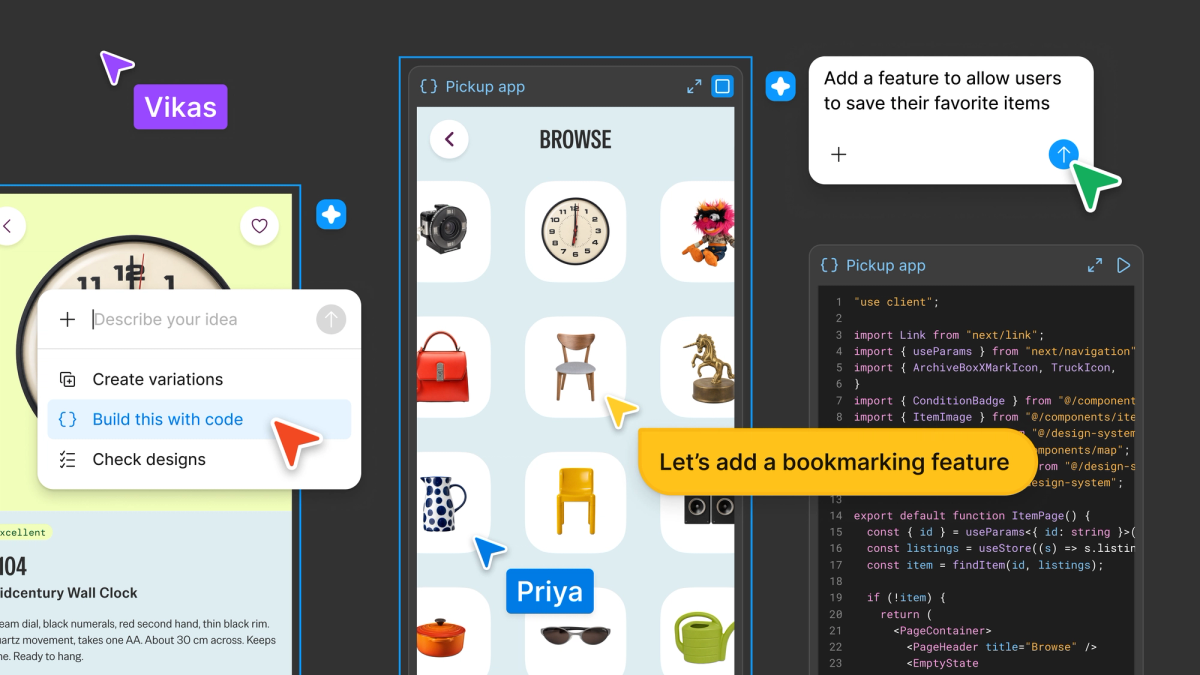
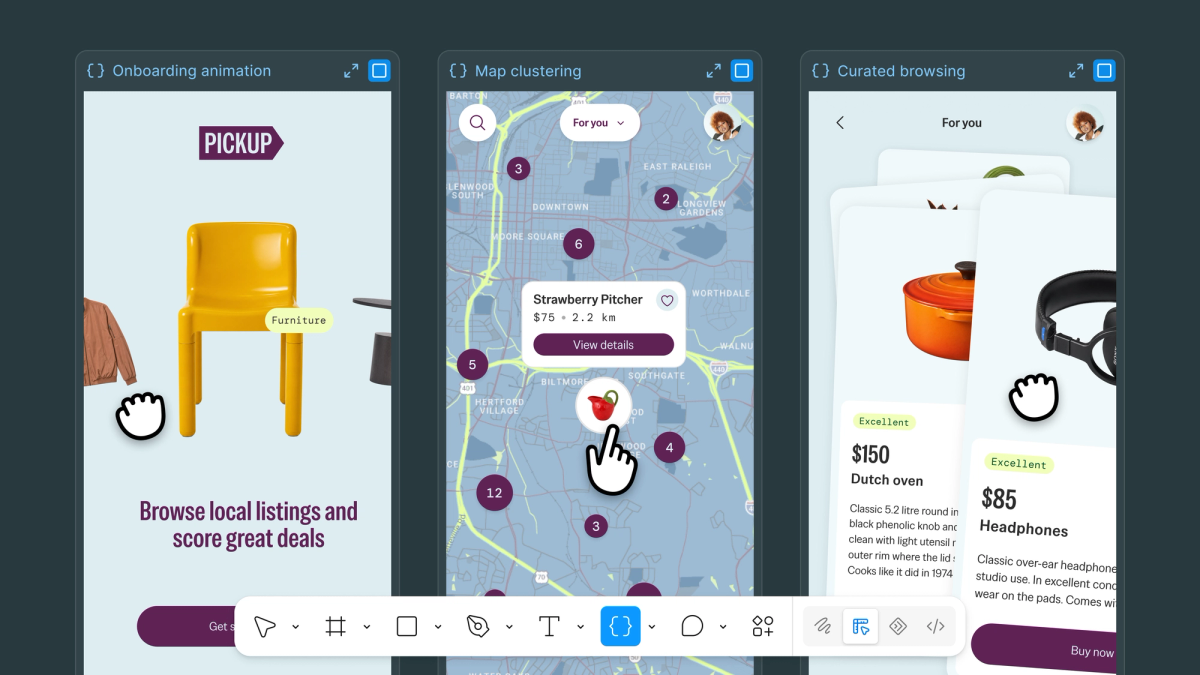
Figma launched the open‑beta of code layers, letting teams build prototypes backed by code directly on the canvas.
Figma released Specs, a Markdown‑based container that lives on the canvas to hold contextual information.
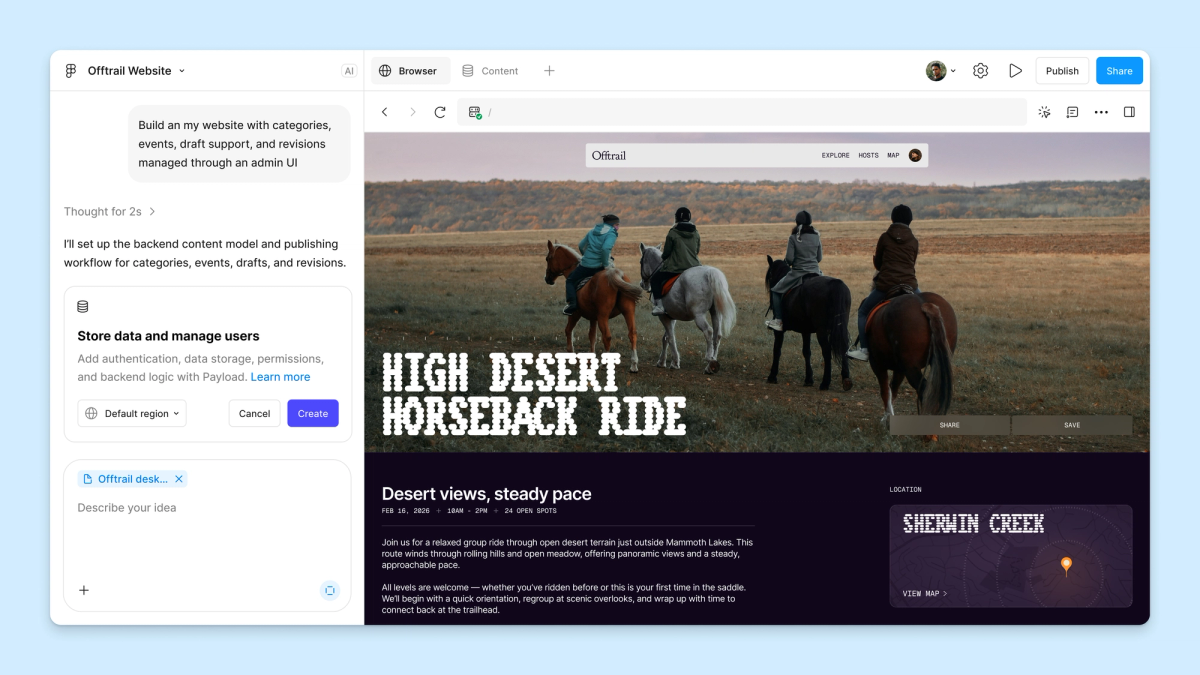
Figma added Payload integration, enabling teams to prototype, ship, and manage data‑backed websites with content and data in one place.
GitHub rebuilt its star history API to return trend counts instead of individual stargazer identities, cutting request volume from 2,500 to 24 and eliminating heavy database queries.

Figma’s source material describes how creative director Manon Macasaet’s spirituality influences her design process for projects like Poison Candy Apple.

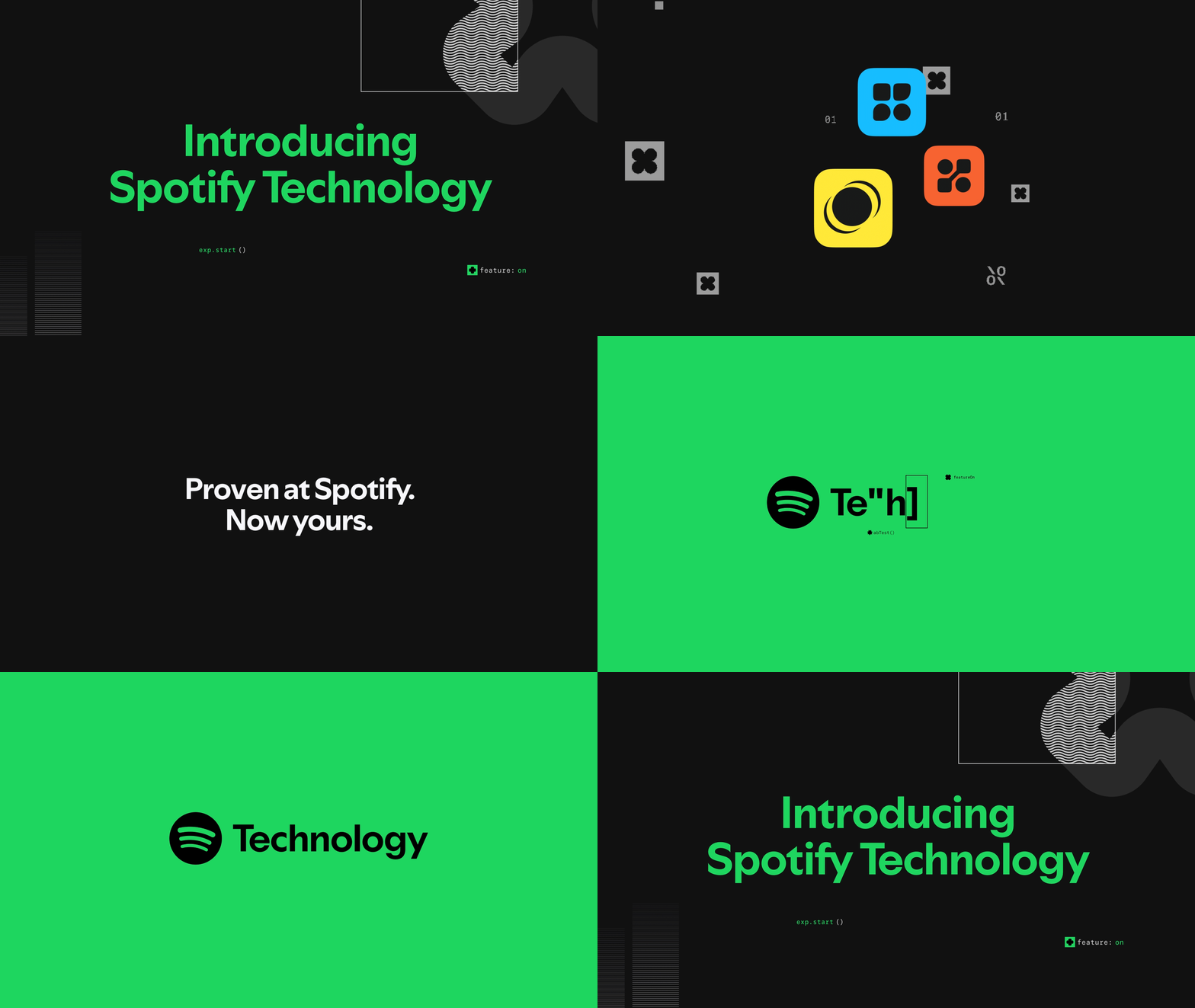
Spotify announces Spotify Technology, a suite of tools proven internally now offered to external developers.
Figma explains how the agent can automate repetitive design system upkeep, from library maintenance to compliance checks.

Figma shows three ways product designers use the Figma agent to boost craft, speed, and creative expression.
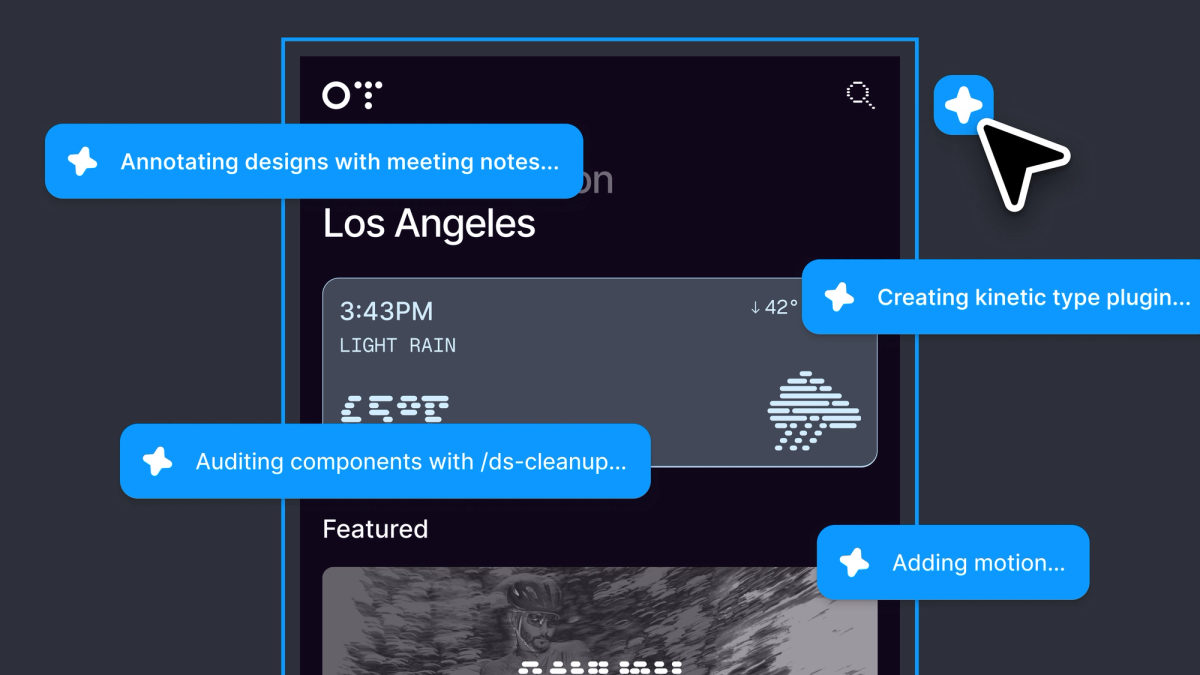
Figma demonstrates a workflow where the agent handles library updates, critique feedback, and a design system spec draft to keep designers in the flow.

Figma built a workflow that uses the Gen Effect and Figma nodes to turn design system assets into brand campaign collateral.

Shopify built ShopGym, a sandbox generator that creates realistic online stores and shopping tasks so developers can repeatedly test shopping agents under consistent conditions.

Stripe made OUSD the default stablecoin on its platform, letting businesses manage funds, process payments, and launch new financial services with the token.

Dropbox redesigned its Reclaim calendar assistant to be AI‑native, handling natural‑language requests while keeping the familiar scheduling experience.

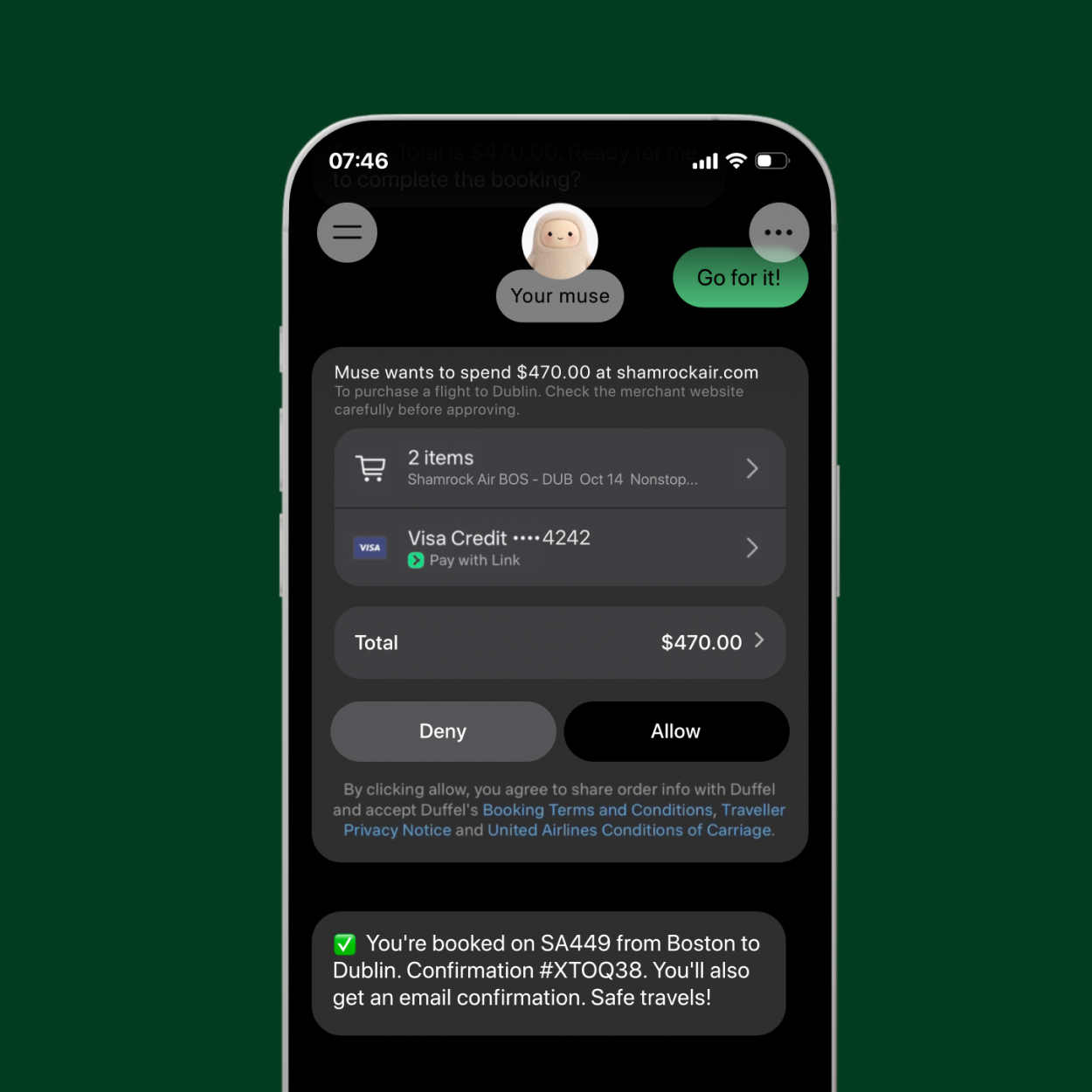
Stripe added three major improvements to Link, enabling personal agents to navigate checkout flows and build consumer trust more reliably.
 Shopify