 Shopify
 AWS Architecture
Databricks introduced Spark Declarative Pipelines so AI agents can author over 70% of production data pipelines, simplifying pipeline creation.

Company blogs
Engineering and data science write-ups straight from the teams at 30 companies. Each one summarised in a line or two and sorted by subject. New posts are added every morning.
Reading the blogs of
Loading posts…
Databricks introduced Spark Declarative Pipelines so AI agents can author over 70% of production data pipelines, simplifying pipeline creation.
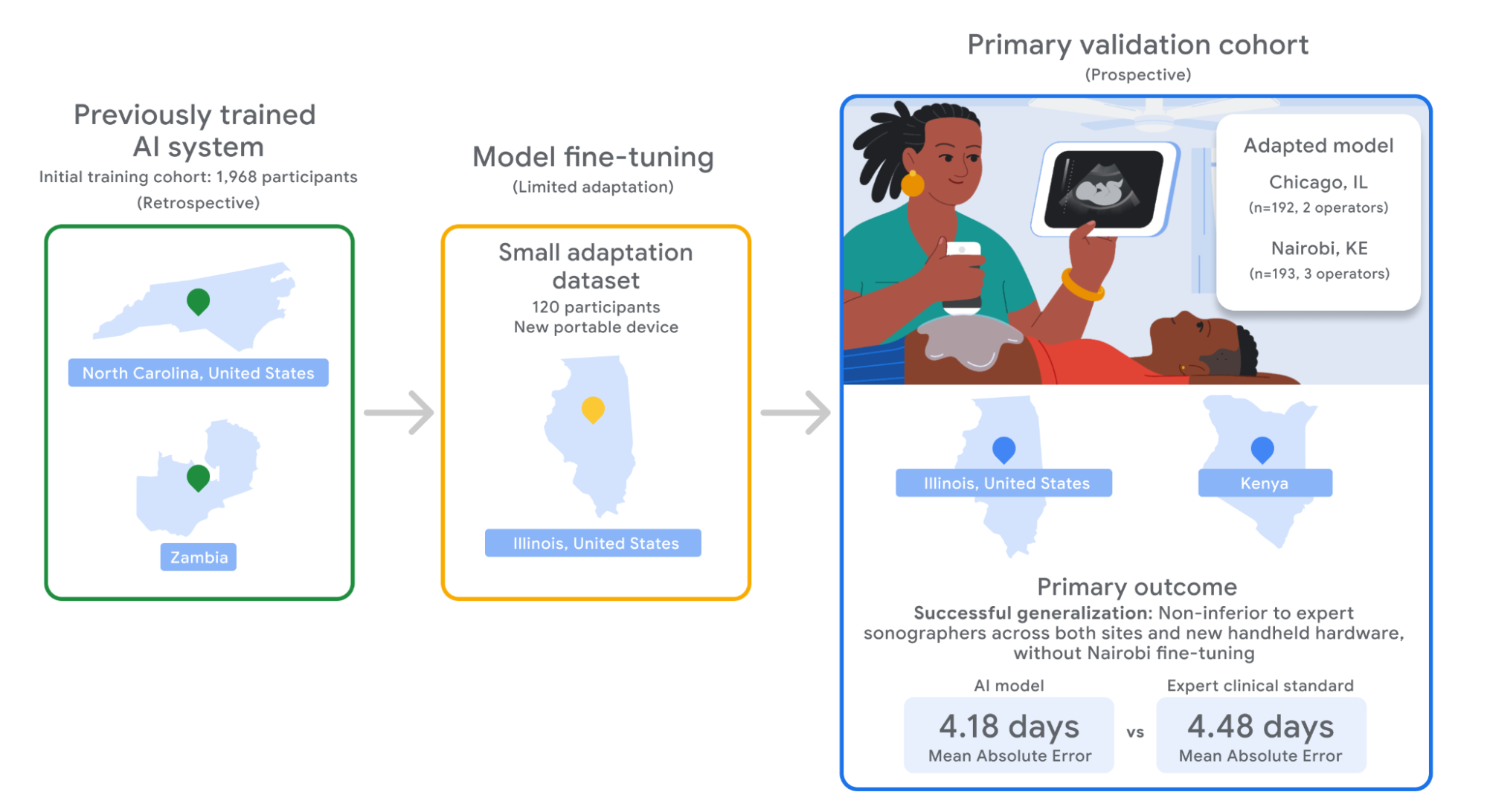
Google Research applied foundational generative AI models to frontline tuberculosis screening, improving diagnostic workflows.

Figma explained how to integrate a design system with the Figma agent so the agent can use product principles and guidelines effectively.

Databricks outlined a new economics framework for AI cost management, helping enterprises control and predict AI spending.
Databricks title "The AI Bill is coming" indicates a discussion about upcoming AI legislation.

Microsoft Research created Flint-interactive, a language that lets AI agents build and manipulate interactive data visualizations through clicks, filters, and highlights.

Shopify built Remote Dev so AI agents can develop and test mobile applications in parallel without overloading developers’ laptops.

Google Research title "Empowering frontline maternal care with AI‑assisted ultrasound" suggests AI tools are being used to support ultrasound diagnostics in maternal health.
Databricks announced AI Runtime with NVIDIA GPUs to simplify customizing open models using enterprise data.
Databricks announced the general availability of AI Runtime.

Shopify uses Sidekick’s frontier model to route heavy token work to post‑trained open models it serves, leveraging NVIDIA hardware to build faster, cheaper task experts.

Databricks introduced agent memory on Agent Bricks, allowing developers to store and retrieve state for AI agents.

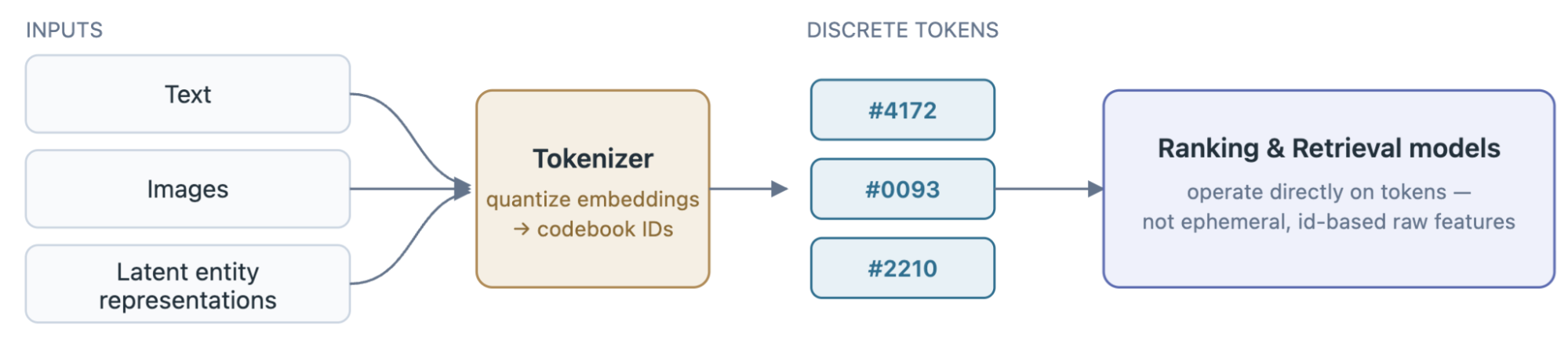
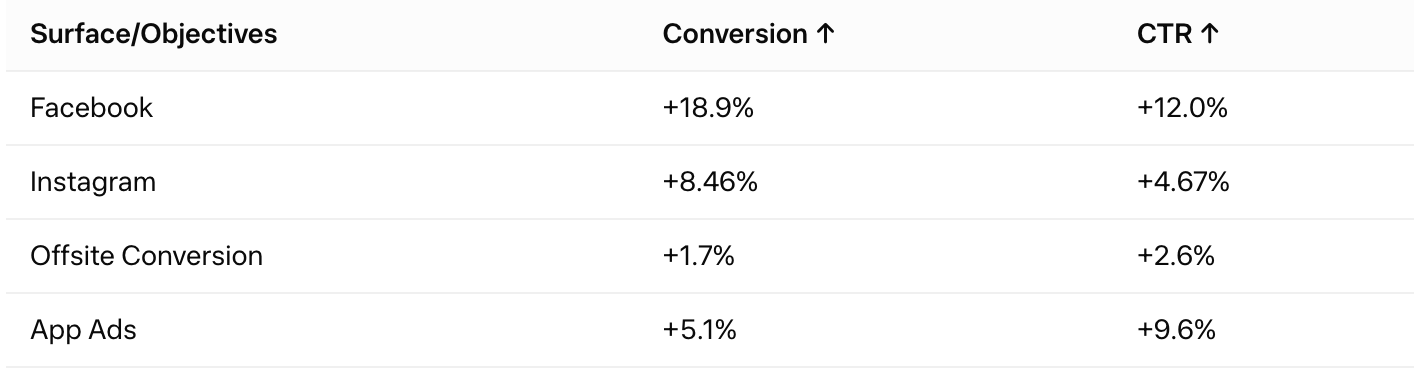
Meta created GenRecs Tokenization, a stable model vocabulary that encodes ads and user preferences, enabling generative recommender models to reason about content and improve ad matching.
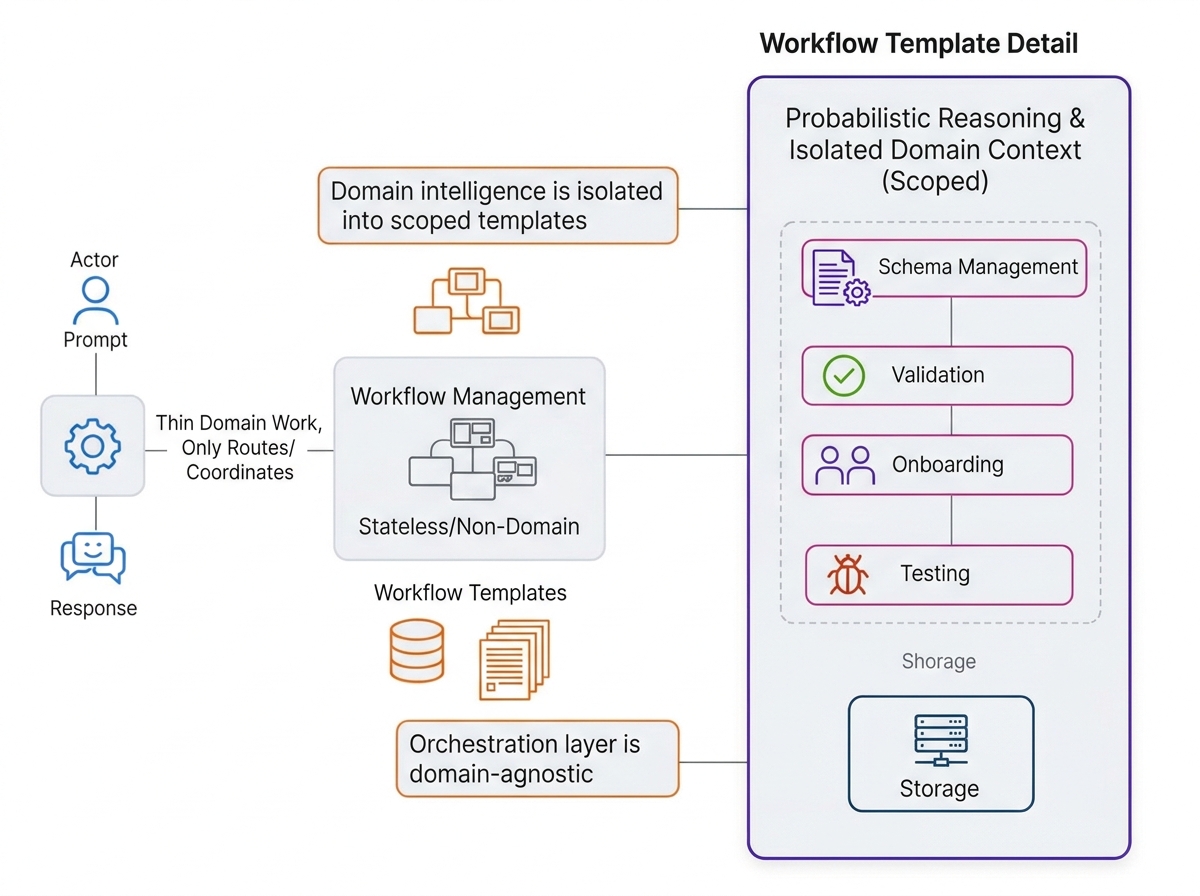
Meta built a thinner orchestration layer for its AI agents that only routes work and enforces reliability checks, letting specialized agents handle domain reasoning, which improved efficiency and accuracy.
Google Research describes efforts to ground AI agents in biological reality to create building blocks for autonomous wet‑lab experiments.

Spotify partnered with NVIDIA to run generative recommendation inference using TensorRT LLM, boosting performance for personalized content delivery.
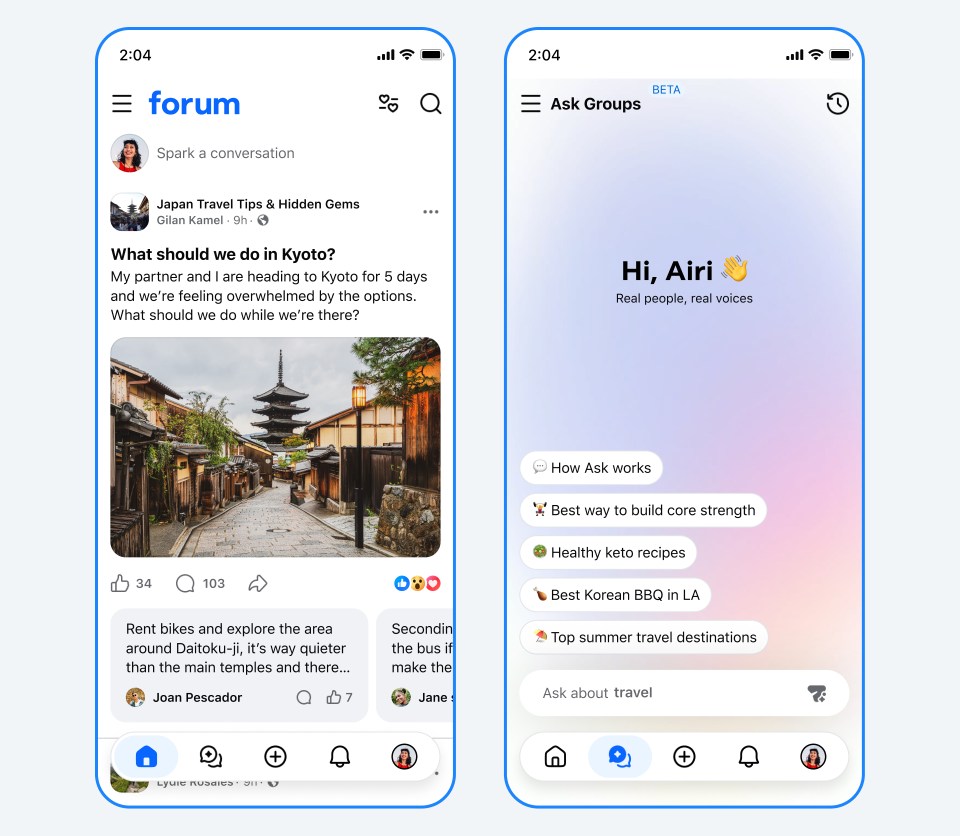
Meta built the Forum app by integrating an AI agent into its development workflow, enabling deeper conversation experiences in Facebook groups.
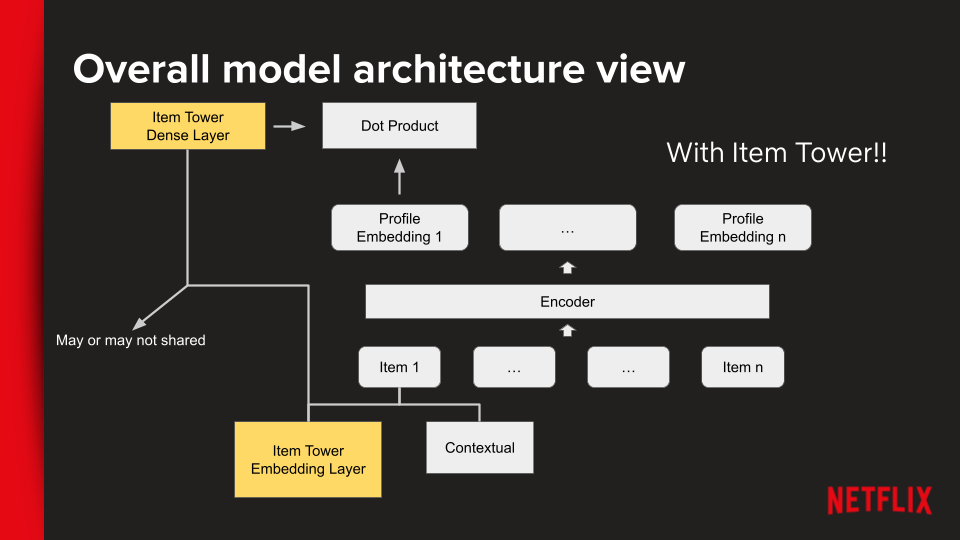
Netflix built a Foundation Model for personalization that learns from large‑scale user interaction and content data and shares its insights across downstream models.
Google Research released Deep Review, an AI system for analyzing technical documents.

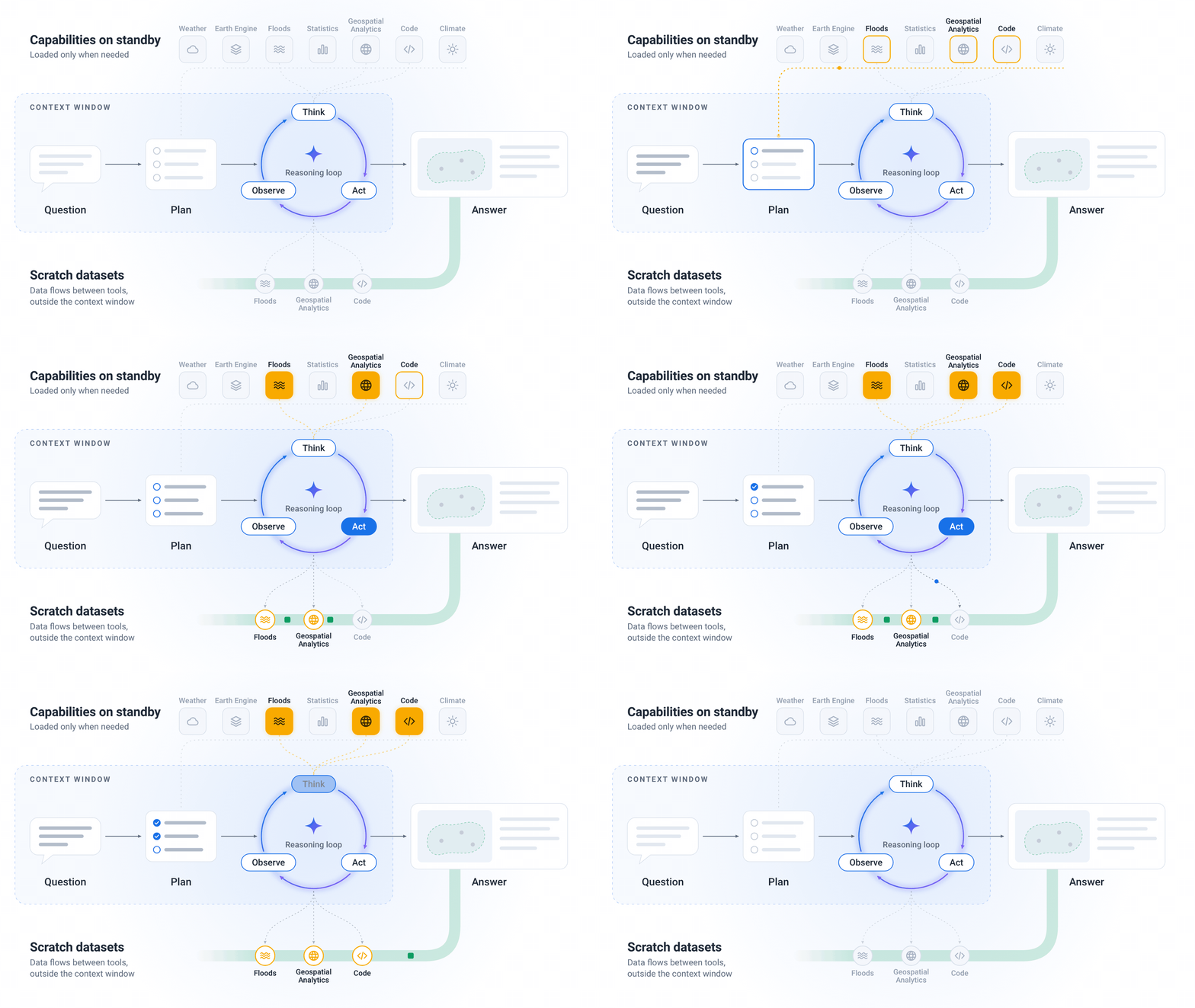
Google Research introduced geospatial AI agents designed to tackle the planet’s biggest challenges through Earth AI.
Google Research presented ten 2026 initiatives aimed at amplifying human ingenuity across its research portfolio.

Airbnb built CASTLE, a system that generates synthetic queries and relevance labels from de‑identified booking and search signals to train its natural language search model, overcoming the cold‑start problem and enabling guests to search using free‑form intent.

Meta scaled its Generative Ads Model (GEM), the largest recommendation‑system foundation model, by expanding compute and intelligence transfer with next‑generation hardware and extending the model across the entire ads ecosystem.
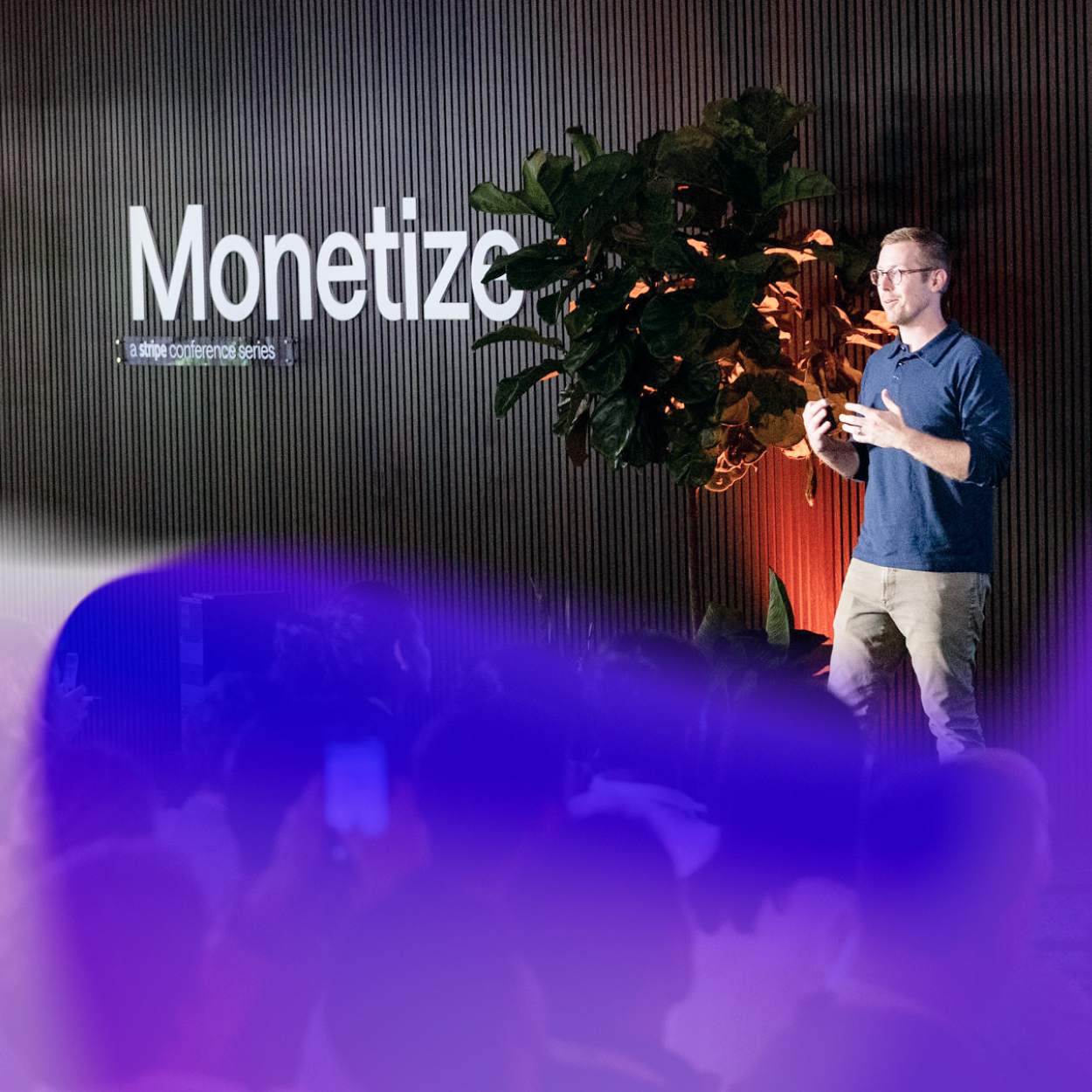
Stripe built a discussion of AI monetization economics, showing how companies combine subscriptions with usage‑based billing and spend controls for AI products.
Microsoft Research built StudentSim, a simulation system that models student interactions to evaluate and improve AI tutoring tools across subjects.

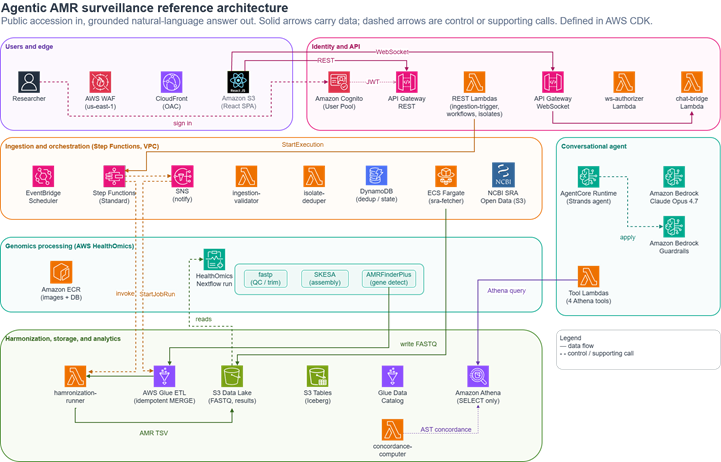
AWS Architecture built a reference architecture that combines AWS HealthOmics and Amazon Bedrock AgentCore to turn public sequencing data into plain‑language answers about antimicrobial‑resistance genes.
Pinterest describes how it uses large language models to transform activity signals into intent, generating user journeys that improve personalization beyond the last clicked Pin.

Microsoft Research introduces Agent Lightning, a 3,500‑line lightweight framework that connects existing AI agents to reinforcement‑learning training, simplifying agent improvement without rebuilding.

Microsoft Research explains what AI gets wrong and what failures teach about handling complexity.

Google Research unlocks Earth AI’s planetary geospatial foundation models for global public health.

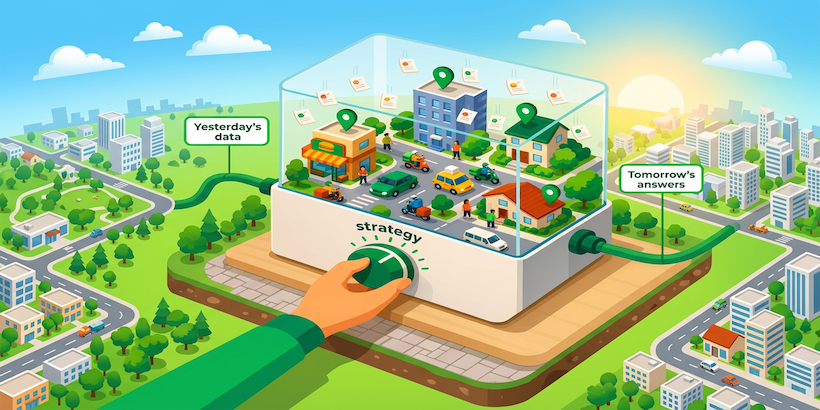
Grab built a city‑scale simulation platform that models real‑time dispatch decisions, enabling AI‑led research on driver assignment and order batching.
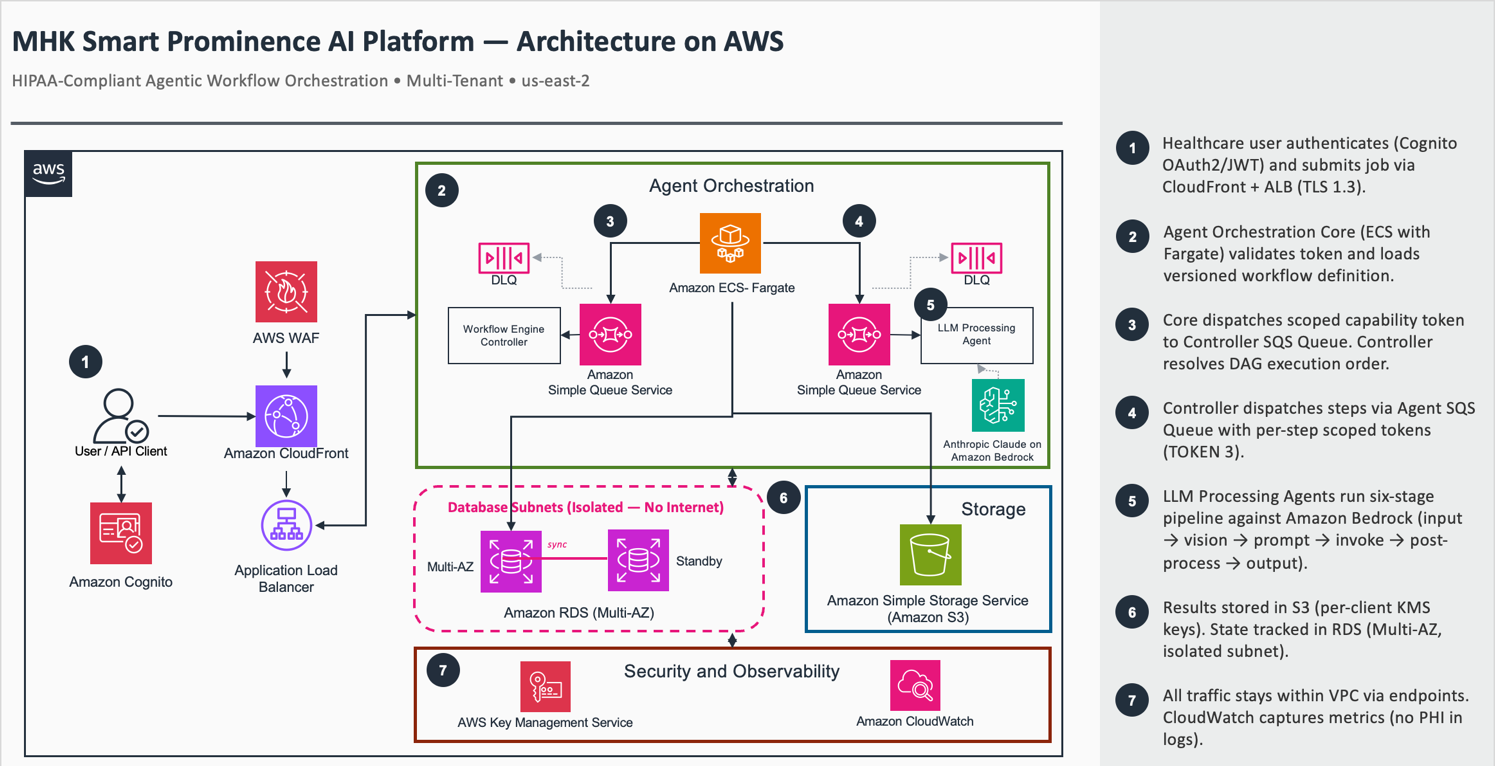
AWS Architecture described how MHK built the SmartProminence AI Orchestrator, a HIPAA‑eligible agentic AI workflow on Bedrock and ECS, reducing manual medical review effort by 90% and cutting feature deployment from months to weeks.
Google Research built Diffusion Controller to unify and simplify AI image generation.

Microsoft Research introduced Quine, a multimodal AI system that models biology across scales to help scientists explore hypotheses before lab work.

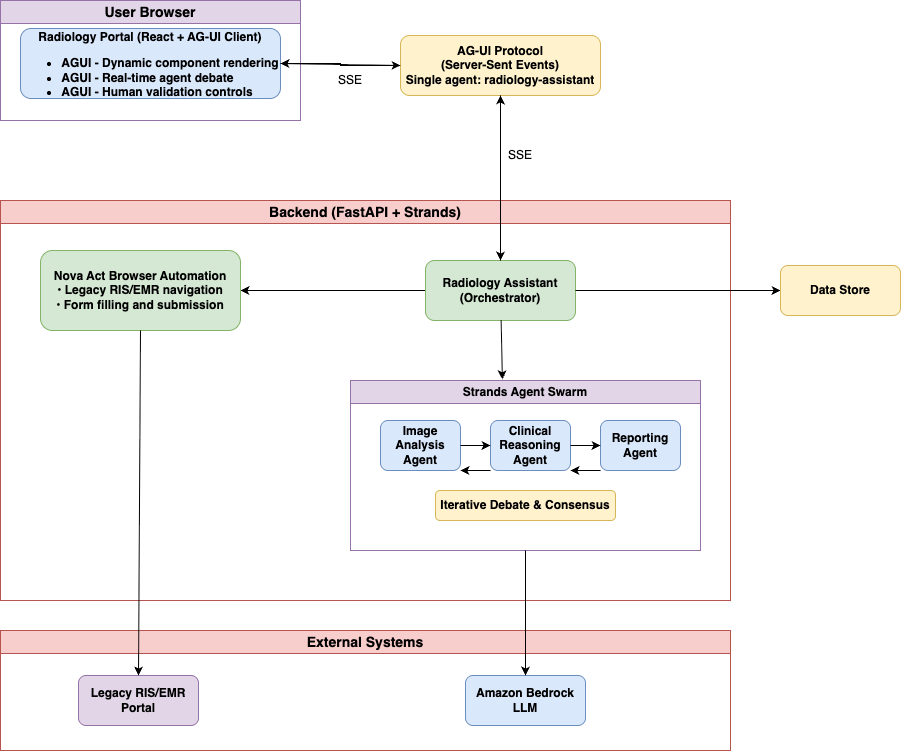
AWS shows how to build adaptive AI interfaces with the AG‑UI protocol, agent swarms via the Strands SDK, and Nova Act for legacy system integration.
Hotstar benchmarked various knowledge‑base and code‑graph tools to determine how they improve coding agents' understanding of codebases, aiming for better context and lower token usage.

 Shopify